
Why Search Engine Marketing Feels Like a Creative Sprint
When I first swapped my sketchbook for a keyword planner, I discovered that search engine marketing is less about cold data and more about the thrill of a sprint—fast, focused, and fueled by imagination; the rush comes from turning a vague consumer desire into a precise ad copy that lands in the perfect moment, and every click feels like a tiny applause for the creative gamble you just took. Over the past few years I’ve watched campaigns evolve from simple match‑type targeting to sophisticated, audience‑first strategies, and the pace has only accelerated, demanding that marketers think like designers, storytellers, and technologists all at once; this hybrid mindset is why I often compare SEM to a sprint rather than a marathon, because success is measured in quick, decisive bursts of performance that keep the heart racing. In my daily workflow, I treat each ad group like a storyboard panel, testing headlines, tweaking extensions, and iterating until the visual and verbal elements sync perfectly with user intent, and that relentless pursuit of alignment is what keeps my creative muscles flexed and my results climbing.
The Next Wave of SEM: Intent, AI, and Experience Over Keywords
Yesterday’s keyword‑centric approach feels archaic now, especially as Google’s AI engines begin to interpret the subtle nuances of user intent, turning vague queries into rich contextual signals that can be mapped to brand narratives; this shift forces us to abandon the old habit of stuffing exact match terms and instead craft ad copy that speaks to the underlying problem the searcher is trying to solve, a practice that aligns perfectly with the principles I explore in The Next Wave of SEO: Intent, AI, and Experience Over Keywords. The real magic happens when machine learning models start predicting the next step a user will take after clicking an ad, allowing us to pre‑emptively design landing pages that feel like seamless extensions of the search experience, reducing friction and boosting conversion rates without the need for aggressive, keyword‑dense copy. As a creative, I love that this evolution opens space for storytelling within the ad itself, letting us embed brand personality, tone, and purpose into every character count, which not only satisfies the algorithm but also resonates with humans who crave authenticity in the fast‑moving digital marketplace.
Leveraging AI as a Co‑Pilot for Real‑Time Optimization
Artificial intelligence isn’t just a back‑office tool; it’s become my co‑pilot, surfacing insights about bid adjustments, audience overlaps, and ad fatigue before they even become apparent in the dashboard, and this proactive guidance lets me reallocate budgets on the fly, turning what used to be a weekly optimization ritual into a daily, almost instantaneous, decision‑making process that feels like dancing with data. By integrating AI‑driven recommendations with my own creative intuition, I can test new ad variations faster than ever, letting the algorithm handle the heavy lifting of performance forecasting while I focus on refining the messaging that will truly connect with users; this synergy is especially evident when I experiment with responsive search ads, where the system automatically assembles headline and description combos, and I watch as certain phrasing consistently outperforms others, revealing hidden emotional triggers. The result is a virtuous loop: the AI learns from my creative tweaks, and my creativity is sharpened by the data, creating a feedback cycle that continuously lifts campaign ROI while keeping the process delightfully unpredictable.
Turning Search Into a Creative Superpower
Google’s latest AI surge has turned the search engine into a playground where creators can amplify their voice, and I’ve learned to harness that power by treating each keyword as a brushstroke in a larger digital mural that tells a cohesive brand story; the key is to align the search intent with a narrative arc that guides the user from curiosity to conversion, a technique I unpack in Google’s AI Surge: How Creators Can Turn Search Into a Creative Superpower. By layering semantic themes across ad groups and leveraging audience signals, I can craft a multi‑dimensional experience that feels personalized, even at scale, turning what once was a simple text ad into an interactive touchpoint that anticipates the user’s next question and offers a solution before they finish typing. This approach not only drives higher click‑through rates but also nurtures brand affinity, because when users sense that the ad “gets” them, they’re more likely to trust the landing page and ultimately become loyal customers, turning the fleeting moment of a search into a lasting relationship.
Creative Tactics for High‑Impact Ad Copy
One of my favorite tactics is to embed micro‑stories within the limited character space, using vivid verbs and sensory language that conjure a scene in the mind of the searcher, turning a bland product description into an invitation to experience something tangible; for example, instead of saying “fast delivery,” I might write “your new favorite coffee arrives before the sunrise,” which paints a picture and triggers an emotional response that fuels clicks. I also experiment with dynamic keyword insertion (DKI) not just to match the query, but to weave the keyword into a broader narrative, ensuring the ad feels bespoke and relevant while maintaining a consistent brand voice; this nuanced use of DKI helps bridge the gap between algorithmic relevance and human connection, a balance that is essential in today’s crowded ad space. Finally, I pair compelling copy with strategic ad extensions—sitelinks, callouts, and structured snippets—that act like supporting characters, each adding depth to the main headline and reinforcing the overall story, which collectively boosts both quality score and user confidence.
Social Signals and the New SEM Ecosystem
While search remains the backbone of acquisition, social media platforms have become integral amplifiers of SEM efforts, creating a feedback loop where social engagement informs search bidding strategies and vice versa; this synergy is especially apparent when I align my ad copy with trending conversations on platforms like Instagram and TikTok, allowing the same creative concepts to flow seamlessly between paid search and organic social, reinforcing brand messages across touchpoints. In practice, I monitor real‑time social sentiment using listening tools, extract the language that resonates most with my audience, and then infuse that vernacular into my search ads, a technique I discuss in Why Social Media Marketing Feels Like a Creative Sprint, which ensures that my messaging feels timely and culturally relevant, thereby increasing click‑through rates and reducing ad fatigue. Moreover, by retargeting users who have interacted with my social content using tailored search ads, I create a cohesive journey that feels less like a disjointed ad experience and more like an orchestrated narrative, turning fleeting social impressions into lasting search conversions.
Measuring Success Beyond the Click
Traditional SEM metrics—CTR, CPC, and conversion rate—are still vital, but I’ve started to layer in brand lift studies and assisted conversion attribution to capture the full impact of my campaigns, especially when social signals and search ads are intertwined; this holistic view reveals hidden value in touchpoints that didn’t directly close the sale but nudged the prospect closer to purchase, a nuance that pure click‑through data often misses. By integrating first‑party data from my website and CRM, I can map a user’s multi‑channel path, assigning credit to each interaction and uncovering patterns such as “search ad impression → social video view → purchase,” which informs future budget allocation and creative focus. This data‑driven storytelling not only justifies spend to stakeholders but also fuels my creative brainstorming sessions, as the insights highlight which emotional triggers and visual cues truly move the needle, allowing me to double‑down on the concepts that resonate most.
Future‑Proofing Your SEM Strategy
Looking ahead, the most resilient SEM strategies will be those that treat technology as a collaborator rather than a replacement, blending AI‑generated insights with human creativity to craft experiences that feel both personal and scalable; this philosophy means staying curious, constantly testing new formats like video search ads, and being willing to pivot when user behavior shifts, ensuring that campaigns remain fresh and relevant in an ever‑changing digital landscape. I also advocate for building a solid foundation of evergreen assets—high‑quality landing pages, robust conversion tracking, and a clear brand voice guide—so that when algorithm updates roll out, you can adapt quickly without scrambling to rebuild core components, a practice that has saved me countless hours during major platform changes. Ultimately, the future of search engine marketing belongs to those who can marry data‑driven precision with storytelling flair, turning each search query into an invitation to engage, explore, and ultimately become a loyal part of the brand community.

Karen Edwards is a seasoned freelance writer with a passion for all things furry, feathered, and scaled. With a dedicated focus on pets, she brings a wealth of knowledge and a keen eye for detail to her writing.
Related Posts

The Psychology Behind Search Ads: Harnessing Cognitive Biases for Better SEM
Learn to transform your search engine marketing by applying cognitive biases to ad copy, testing var... Read More
Rethinking Search Engine Marketing: From Keywords to Human Intent
In this deep dive, Lauren Miller reveals why traditional keyword‑only search strategies are outdat... Read More
Harnessing the Sprint Mindset for Next‑Gen Search Engine Marketing
Learn how adopting a sprint‑style approach can supercharge your SEM campaigns, boost agility, and ... Read More
Top Posts
Smart Home Hacks for 2026: Practical Tips to Upgrade Your Space
A fresh look at 2026 home upgrades—smart storage, AI lighting, eco cleaning, and kid‑friendly tech—to transform your space with sustainable, tech‑savvy ...Read More
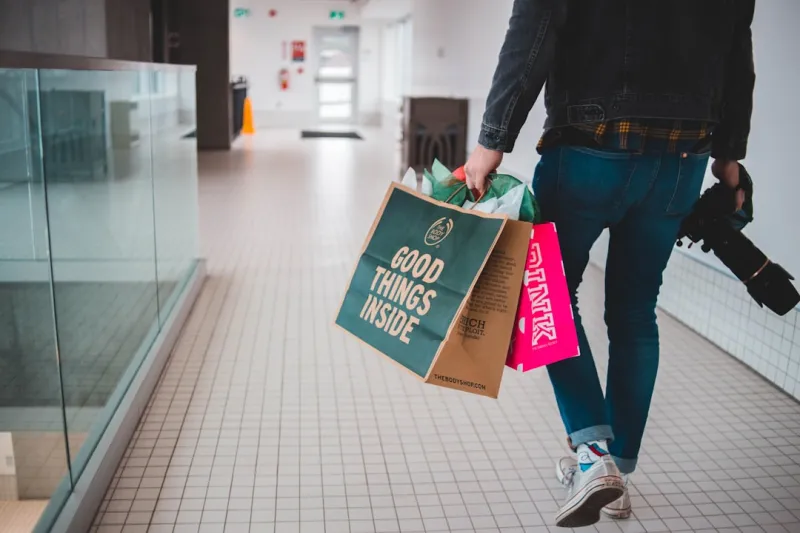
Dale Peterson’s 2026 Shopping Playbook: Trends, Tech, and Sustainable Splurges
Dale Peterson reveals how tech, sustainability, and mindful choices are reshaping shopping in 2026, offering practical tips for conscious consumers....Read More
Beyond Campaigns: How Media Agencies Are Reinventing Real‑Time Storytelling
Media agencies are abandoning long‑run campaigns for rapid, data‑powered storytelling. Learn how real‑time narratives, decentralized pods, and ethical saf...Read More
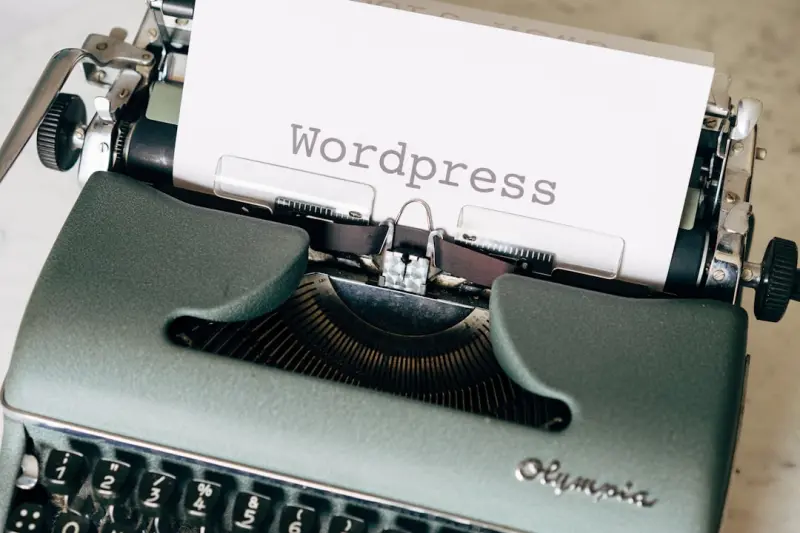
Why Managed WordPress Hosting Is the Quiet Engine Behind Scalable SaaS Sites
A practical guide from Karen Edwards on why managed WordPress hosting is essential for SaaS growth, covering hidden costs of DIY hosting, key benefits, integrat...Read More
0 Comments
Post Comment
You will need to Login or Register to comment on this post!