
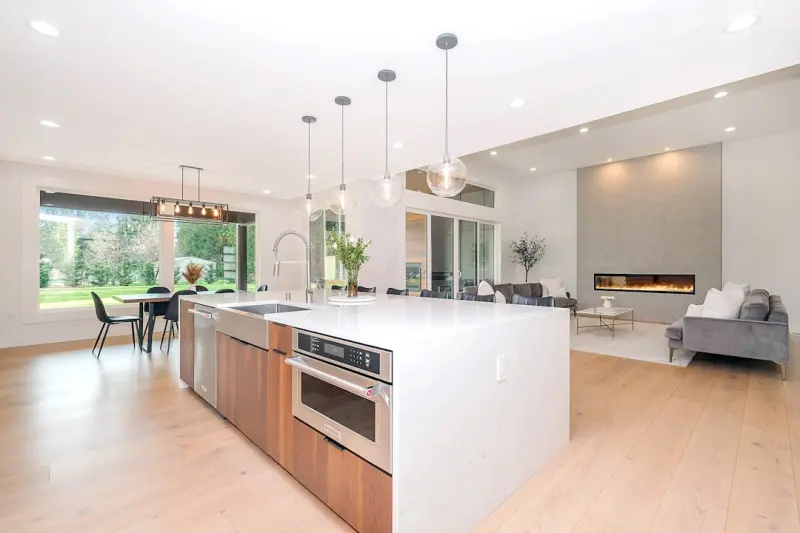
When I first bought my starter home, the list of “must‑do” renovations seemed endless: a new kitchen, bathroom upgrades, fresh paint, and the ever‑tempting open‑concept floor plan. I quickly learned that the biggest transformations don’t always require a full‑blown demolition. Over the past few years I’ve honed a philosophy I call micro‑remodeling—the art of making strategic, bite‑sized upgrades that punch far above their weight. Think of it as a sprint rather than a marathon: short, focused projects that deliver measurable gains in comfort, function, and resale value, all while keeping the budget and disruption to a minimum.
Why Micro‑Remodeling Beats the Traditional Overhaul
Traditional remodels often feel like you’re signing a lease with a construction crew for months. The permits, the dust, the surprise cost overruns—these are the reasons many homeowners stall at the planning stage. Micro‑remodeling flips the script by:
- Targeting high‑impact zones: Instead of gutting an entire room, you focus on the elements that users notice first—countertops, lighting, hardware, and textures.
- Leveraging quick wins: A new faucet, a fresh backsplash, or a smart thermostat can be installed in a single weekend, giving you instant gratification.
- Maintaining cash flow: Smaller projects mean you can spread out spending, avoid large loans, and even reinvest savings from one upgrade into the next.
- Reducing risk: Short timelines limit exposure to unforeseen complications, making it easier to stay on schedule and on budget.
Step 1: Audit Your Space With a “Micro‑Impact” Lens
The first step is a thorough, yet rapid, walk‑through of your home. Grab a notebook (or a note‑taking app) and ask yourself four core questions for each room:
- What is the single element that feels outdated?
- Which feature receives the most daily use?
- Where does friction occur (e.g., awkward cabinet doors, poor lighting)?
- What can be upgraded without moving structural walls?
For many homeowners, the answer converges on three universal culprits: lighting, hardware, and surface finishes. These are the low‑hanging fruits where a well‑chosen upgrade yields a dramatic visual and functional shift.
Step 2: Prioritize Smart, Sustainable Upgrades
While the term “green” can feel overused, integrating energy‑efficient solutions is still one of the smartest ways to add value. A future‑proof mindset isn’t limited to search engines—apply it to your home. Choose LED fixtures that dim automatically, smart thermostats that learn your schedule, and low‑flow faucets that slash water usage without sacrificing performance.
These upgrades not only lower utility bills but also appeal to eco‑conscious buyers, boosting your property’s marketability. The key is to select products that are both high‑efficiency and aesthetically pleasing; there’s no point in installing a bland, ultra‑efficient device that clashes with your décor.
Step 3: Infuse Data‑Driven Design
It may sound odd to bring a tech‑centric term like data‑driven creativity into a home improvement conversation, but the principle is universal: let real usage data guide design decisions. Use simple tools like a smartphone’s motion sensor to track foot traffic patterns, or install a temporary occupancy sensor to see which areas of a room are used most often.
Armed with this data, you can make informed choices—perhaps you discover that the corner of your kitchen island is rarely used, so you replace a bulky built‑in with a sleek, pull‑out pantry instead. Or you notice that the hallway light flickers at dusk, prompting a smart sensor upgrade that automatically brightens the space. By grounding your upgrades in actual behavior, you avoid the trap of “nice‑to‑have” changes that never see the light of day.
Step 4: Choose Materials That Age Gracefully
One of the biggest regrets homeowners share is purchasing trendy finishes that quickly look dated. Instead, opt for timeless materials with a subtle modern twist:
- Quartz countertops—offer durability, low maintenance, and a sleek look without the high cost of marble.
- Brushed nickel hardware—provides a contemporary sheen that complements both warm and cool color palettes.
- Porcelain tiles—mimic natural stone or wood, resisting scratches and moisture better than their natural counterparts.
These choices may carry a slightly higher upfront cost, but they dramatically extend the lifespan of your upgrades, meaning you won’t need to redo the same space in a few years.
Step 5: Leverage the Power of “Mini‑VPS” Solutions for Home Automation
Now, before you roll your eyes at another tech buzzword, consider the concept of a “mini‑VPS” (virtual private server) for home automation. Think of it as a dedicated, local hub that runs your smart devices with speed and reliability, separate from the cloud. By unlocking the hidden power of modern VPS, you gain:
- Faster response times for lights, locks, and climate controls.
- Enhanced security through local processing, reducing exposure to external attacks.
- Greater scalability—add new devices without overloading your home Wi‑Fi.
Implementing a compact home server doesn’t require a data‑center; a small, energy‑efficient unit tucked away in a closet can handle dozens of smart routines, making your micro‑remodels not just cosmetic but truly intelligent.
Step 6: Execute the Project With a “Lean” Approach
Adopt a lean methodology—borrowed from software development—to keep the process lean and transparent. Set clear milestones, allocate a modest contingency budget (5‑10 % of the project cost), and schedule a short “daily stand‑up” with any contractors or DIY partners. This ensures that small hiccups are addressed immediately, preventing scope creep.
Document each stage with photos and brief notes. Not only does this create a handy reference for future upgrades, but it also generates content for social media or a personal blog, turning your renovation journey into a shareable story.
Step 7: Celebrate the Wins and Plan the Next Micro‑Upgrade
Once the project wraps—whether it’s a refreshed bathroom vanity, a new pendant light, or a smart lock installation—take time to evaluate the impact. Did the new lighting improve the room’s ambiance? Did the upgraded faucet reduce water consumption? Capture these results with simple metrics (energy bills, water usage, or even a quick survey of household members).
Celebrating these wins fuels motivation for the next round of micro‑remodels. Remember, the goal isn’t a single massive overhaul; it’s a series of purposeful, high‑ROI upgrades that compound over time, turning an ordinary house into a thoughtfully designed home.
Real‑World Example: The “Coffee‑Corner” Transformation
One of my favorite micro‑remodel stories comes from a client who loved his morning coffee but was frustrated by the cramped, dimly lit corner of his kitchen. The solution involved three focused upgrades:
- Lighting: Swapped a dated recessed fixture for a pair of under‑cabinet LED strips with a warm color temperature, instantly brightening the workspace.
- Hardware: Replaced the old, heavy cabinet pull with a sleek brushed‑nickel handle, reducing the effort needed to open the coffee drawer.
- Smart Integration: Installed a small, dedicated mini‑VPS that runs a routine turning the lights on when motion is detected and starting the coffee maker at a set time each morning.
The result? A 30 % reduction in morning prep time, a noticeable lift in mood thanks to better lighting, and a modest drop in electricity use—proof that strategic micro‑changes can deliver tangible benefits.
Future‑Proofing Your Home: The Micro‑Remodel Mindset
While trends come and go, the micro‑remodel mindset is timeless. It encourages homeowners to stay adaptable, to experiment with new technologies, and to always ask, “What’s the next small step that will make the biggest difference?” By treating your home as a living system—one you can iterate on continuously—you create a space that evolves with your life, not the other way around.
So the next time you feel the itch to “renovate,” pause and consider: could a focused, data‑informed micro‑upgrade achieve the same impact with less stress, lower cost, and greater satisfaction? The answer, in most cases, is a resounding “yes.”

Brad Hays is a freelance writer known for his versatile skill set and ability to craft compelling content across a wide range of industries.
Related Posts
Invisible Storage Solutions for Stylish Homes
Learn how to hide clutter using recessed niches, sliding panels, and low‑code tech, creating a cle... Read More
Reimagining Small‑Space Living: Smart Upgrades for Modern Homes
A personal guide to turning cramped quarters into a functional, stylish sanctuary using smart tech, ... Read More
Lighting the Way: Adaptive Light Zones for a Smarter Home
Adaptive lighting zones turn ordinary rooms into responsive spaces, enhancing mood, productivity, an... Read More
Top Posts

Component‑First Development: Harnessing Micro‑Frontends for Agile Web Teams
A deep dive into component‑first design and micro‑frontends, revealing practical steps to boost speed, flexibility, and resilience in modern web development...Read More

Voice‑First SEO: How to Make Your SaaS Brand Heard by Assistants
Explore a fresh SEO strategy that targets voice and AI assistants, focusing on conversational content, schema markup, multilingual readiness, and performance me...Read More

Leveling Up Green: How Sustainable Practices Are Transforming Game Development
From recycled consoles to carbon‑neutral cloud gaming, discover how sustainable practices are revolutionizing game development and how gamers can join the mov...Read More

Ethical Data: The New Competitive Edge
This article explains why treating data ethically is no longer a compliance issue but a strategic advantage, outlining practical steps, financial benefits, and ...Read More
0 Comments
Post Comment
You will need to Login or Register to comment on this post!