

In the bustling crossroads of content, commerce, and technology, media agencies are being asked to do more than ever before. The old playbook—craft a compelling idea, place it on a billboard, and hope the audience bites—has been replaced by a data‑infused, performance‑obsessed reality where every pixel and every impression is measured, optimized, and, ultimately, tied back to revenue. As someone who has spent a decade juggling client briefs, agency boardrooms, and the occasional midnight brainstorm, I’ve watched this transformation unfold from the front row. Today, I’m pulling back the curtain on the emerging discipline I call “data‑driven creativity” and sharing how agencies can harness it without losing the soul of storytelling.
Why Data Alone Isn’t Enough (And Why Creativity Still Matters)
There’s a growing myth that data will replace the creative mind. In truth, data is a compass, not the map. It tells us where the audience is heading, what emotions are resonating, and which channels are delivering the highest return. But without a compelling narrative to guide that journey, the data points remain cold, disconnected numbers. The challenge for media agencies now is to blend the precision of analytics with the intuition of a seasoned storyteller.
Think of data as the scaffolding of a skyscraper. It provides structure, stability, and safety. Creativity, on the other hand, is the design that makes the building iconic—a piece of art that people want to engage with, photograph, and talk about. The most successful campaigns of recent years have married these two forces, creating experiences that feel both deeply personal and powerfully measurable.
The Three Pillars of Data‑Driven Creativity
To operationalize this hybrid approach, I’ve identified three pillars that every forward‑thinking media agency should embed into its workflow:
- Insight‑First Briefing – Move beyond demographic snapshots. Pull in psychographic signals, purchase intent, and contextual trends to shape a brief that is both human‑centric and data‑rich.
- Iterative Creative Development – Treat concepts as experiments. Use rapid A/B testing not only for copy and visuals but also for narrative arcs, tone, and pacing.
- Dynamic Performance Reporting – Replace static PDFs with live dashboards that let clients see the real‑time impact of creative tweaks, enabling faster decision‑making.
Each pillar relies on a blend of technology and talent. Let’s unpack them one by one.
1️⃣ Insight‑First Briefing: From Gut Feel to Grounded Narrative
Traditional briefs often start with a “target audience” description: age, gender, location. While useful, this framework ignores the layers of intent and emotion that truly drive behavior. Agencies now have access to a wealth of zero‑party data—information that consumers willingly share through polls, quizzes, and preference centers. When paired with first‑party analytics and contextual signals (like trending topics or seasonal shifts), you can craft a brief that feels almost prescriptive.
For example, a recent campaign for a lifestyle brand uncovered that their core shoppers were not just “young adults” but “aspiring creators seeking sustainable tools to showcase their work.” This nuanced insight shifted the creative direction from generic product shots to user‑generated content that highlighted real creators’ stories, resulting in a 42% lift in engagement.
To embed this approach:
- Gather zero‑party data via interactive surveys embedded in existing email or social touchpoints.
- Overlay first‑party behavior (site navigation, time on page) to validate assumptions.
- Cross‑reference with macro‑level trends (e.g., sustainability, remote work) using tools like Google Trends or industry reports.
When the brief is rooted in concrete, actionable insight, the creative team can spend less time guessing and more time inventing.
2️⃣ Iterative Creative Development: Test, Learn, Refine
Gone are the days of a single “final cut” locked in stone. Modern media agencies must adopt an agile mindset, treating each creative asset as a hypothesis to be validated. This doesn’t mean sacrificing craftsmanship; it means building flexibility into the production pipeline.
Here’s a practical workflow:
- Concept Sprint – Generate 3‑5 core concepts in a 48‑hour sprint, each anchored in a distinct insight from the briefing stage.
- Micro‑Testing – Deploy each concept as a short video or carousel ad to a small, segmented audience. Track micro‑metrics such as dwell time, scroll depth, and sentiment via real‑time listening tools.
- Data‑Informed Refinement – Use the top‑performing elements (color palette, hook, call‑to‑action) to iterate on the winning concept, scaling it up for broader media buys.
Platforms like next‑gen search tactics have demonstrated how even small creative pivots can dramatically improve performance across paid and owned channels. The key is to treat every variation as a data point, not an after‑thought.
3️⃣ Dynamic Performance Reporting: The Dashboard Revolution
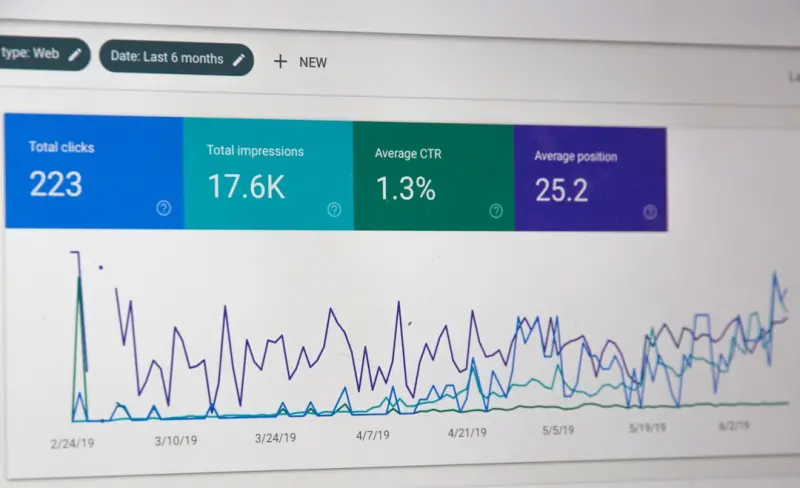
Clients today expect transparency. A static PDF that tells a story of success is no longer enough; they want to see the story unfold in real time. By integrating marketing automation platforms with business intelligence tools, agencies can build live dashboards that visualize the impact of creative tweaks as they happen.
Features to prioritize:
- Real‑Time KPI Tracking – Impressions, click‑through rates, and conversion metrics updating by the minute.
- Attribution Heatmaps – Visual maps that show which creative elements drove the most interaction across devices.
- Predictive Alerts – Machine‑learning models that flag under‑performing assets before they drain budget.
These dashboards turn reporting from a quarterly ritual into a continuous conversation, allowing agencies and brands to pivot quickly and capitalize on emerging opportunities.
Bridging the Gap: Talent, Tools, and Culture
Implementing data‑driven creativity isn’t just about software; it’s about people. Here are three cultural shifts that underpin a successful transformation:
- Data Literacy Across Teams – Creative directors, copywriters, and designers should be comfortable interpreting dashboards and spotting trends. Offer regular workshops and cross‑functional “data days” to build fluency.
- Collaborative Ideation Spaces – Use digital whiteboards that sync with analytics, so insights can be dragged directly onto storyboards.
- Fail‑Fast, Learn‑Fast Mindset – Celebrate experiments that didn’t hit the mark, because they provide valuable learnings that inform the next iteration.
When an agency’s culture values curiosity and continuous improvement, the technology becomes an enabler rather than a constraint.
Case Study: A Media Agency’s Journey from Stagnant Campaigns to Adaptive Storytelling
One mid‑size media agency, known for its award‑winning TV spots, faced dwindling ROI on its digital efforts. By adopting the three‑pillar framework, they achieved a turnaround:
- Insight‑First Briefing – They discovered that their target audience preferred short‑form, behind‑the‑scenes content that highlighted brand values over polished product shots.
- Iterative Development – The team produced three 15‑second concepts and tested them on a micro‑segment of Instagram followers. One concept, featuring a raw, unfiltered “day‑in‑the‑life” narrative, outperformed the others by 67% in engagement.
- Dynamic Reporting – Using a live dashboard integrated with their ad platform, the agency could see the uplift in real time and re‑allocate budget within hours, not weeks.
The result? A 35% increase in cost‑per‑acquisition efficiency and a client renewal rate that jumped from 68% to 92% within the first quarter of implementation.
Future‑Proofing Your Agency: Embrace the Emerging Tech Landscape
While the pillars above provide a solid foundation, the ecosystem continues to evolve. Here are a few emerging technologies that media agencies should keep on their radar:
- Generative AI for Concept Ideation – Tools that can suggest visual styles or copy variations based on brief inputs, accelerating the creative sprint.
- Programmatic Storytelling Platforms – Solutions that dynamically stitch together narrative blocks based on user behavior, delivering a personalized story at scale.
- Zero‑Party Data Marketplaces – Secure exchanges where brands can acquire consent‑based consumer insights, enriching the insight‑first brief.
Integrating these innovations doesn’t mean overhauling your process overnight. Start small: experiment with a single AI‑generated concept, or pilot a programmatic video that swaps out a call‑to‑action based on real‑time weather data. The goal is to stay nimble, test relentlessly, and let the data guide the creative evolution.
Putting It All Together: Your Action Plan
Ready to shift your agency into data‑driven creativity mode? Follow this concise checklist:
- Audit Your Current Briefing Process – Identify gaps where insights are shallow or assumptions unchecked.
- Implement a Micro‑Testing Framework – Choose one channel (e.g., Instagram Stories) and run concept A/B tests on a small audience.
- Deploy a Live Dashboard – Connect your ad platform to a BI tool like Looker or Power BI and share the view with clients.
- Upskill Your Team – Schedule a data literacy workshop and introduce collaborative digital whiteboards.
- Pilot an Emerging Tech – Allocate a modest budget to experiment with a generative AI tool or programmatic storytelling platform.
Remember, the shift is iterative. Each cycle of insight, creative, and performance builds a feedback loop that refines your approach and delivers stronger outcomes for your clients.
Closing Thoughts: The Art and Science of Modern Media
Media agencies stand at a crossroads where art meets science. The tension between intuition and measurement isn’t a conflict; it’s a catalyst for richer storytelling. By grounding your creative process in robust data, embracing rapid experimentation, and delivering transparent, real‑time results, you’ll not only meet client expectations—you’ll exceed them.
In the words of a favorite mentor of mine: “Data tells you the road, but creativity decides the destination.” Let’s make that destination unforgettable.

When it comes to the world of blogging and writing, Rose DesRochers is a name that stands out. Her passion for creating quality content and connecting with her audience has made her a trusted voice in the industry. Aside from her skills as a writer and blogger, Rose is also known for her compassionate nature.
Related Posts

Beyond Campaigns: How Media Agencies Are Reinventing Real‑Time Storytelling
Media agencies are abandoning long‑run campaigns for rapid, data‑powered storytelling. Learn how... Read More

From Campaigns to Communities: How Modern Media Agencies Thrive in the Creator Economy
Media agencies are moving beyond one‑off ads to build thriving brand communities. Learn how data, ... Read More
Hybrid Media Agencies: Blending Data, Storytelling, and Trust
Discover the rise of hybrid media agencies that fuse data, technology, and creative storytelling to ... Read More
Top Posts

Sensory‑Rich Home Decor: Touch, Sound, and Scent Transform Your Space
Discover the rise of sensory‑rich home decor, where texture, sound, and scent work together to create immersive, sustainable living spaces that feel as good a...Read More

When AI Takes the Helm: SEO Strategies for the New Search Era
AI is rewriting the rules of search. Discover the rise of AI‑generated snippets, multimodal queries, and intent clusters, and get a practical roadmap to futur...Read More

Google’s Quiet Revolution: How AI, Sustainability, and Privacy Are Redefining B2B SaaS
Miranda Murphy breaks down Google’s emerging AI platform Gemini, sustainable cloud initiatives, and privacy sandbox, offering a practical playbook for B2B Saa...Read More

The Evolution of Digital Marketing: Trends to Watch
The digital marketing landscape is constantly evolving. Stay ahead of the curve with the latest trends and technologies in digital marketing. Learn how to creat...Read More
0 Comments
Post Comment
You will need to Login or Register to comment on this post!