
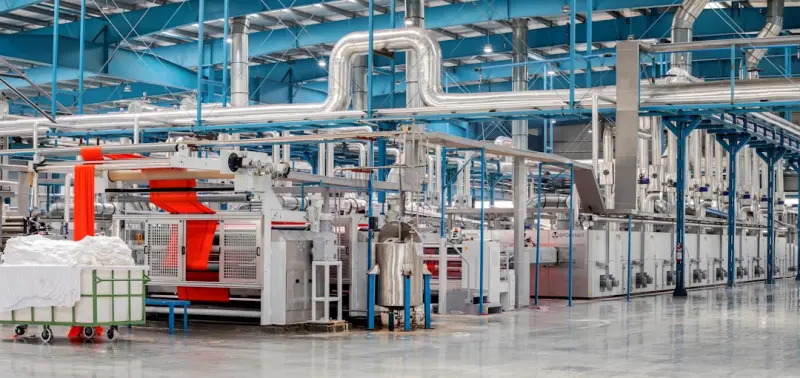
When I first stepped onto a bustling shop floor three decades ago, the clang of metal and the smell of oil were the soundtrack of innovation. Fast forward to today, and that same floor hums with data packets, 3‑D renderings, and real‑time analytics. The catalyst? Digital twins – virtual replicas that mirror every nuance of a physical asset. In this post I’ll walk you through why digital twins are no longer a futuristic buzzword but a practical engine driving the next wave of industrial product excellence.
The Genesis of a Digital Doppelgänger
Think of a digital twin as the shadow of a machine, but instead of a vague reflection, it’s a data‑rich, interactive model that evolves alongside its physical counterpart. The concept emerged from aerospace engineering, where simulation was essential for safety and cost control. Today, it’s seeping into every corner of industrial manufacturing – from CNC lathes to massive turbines.
Why does this matter? Because a twin lets us explore “what‑if” scenarios without halting production. Want to test a new alloy under extreme stress? Spin up the twin, apply the forces, watch the stress distribution unfold in seconds, and decide whether to proceed. This reduces costly prototyping cycles and accelerates time‑to‑market.
Building the Twin: Data, Sensors, and the Edge
The backbone of a reliable twin is high‑fidelity data. Sensors embedded throughout equipment capture temperature, vibration, pressure, and countless other metrics. But raw data alone isn’t enough – it must be processed close to the source to avoid latency bottlenecks.
Enter edge computing. By processing data at the edge, manufacturers can run predictive algorithms in real time, feeding insights back to the twin instantly. This mirrors the philosophy in Edge‑First Web Development: Building Faster, Safer Experiences, where proximity to users translates into speed and security. In the industrial realm, the edge means faster fault detection, reduced bandwidth costs, and tighter feedback loops between the physical device and its digital counterpart.
From Design to Deployment: The Twin’s Lifecycle Role
Digital twins shine at every stage of a product’s life:
- Conceptual Design: Engineers can iterate designs virtually, evaluating ergonomics, material stress, and assembly feasibility before any steel is cut.
- Manufacturing: Real‑time twin data guides robotic arms, ensuring each component meets tolerance specifications.
- Commissioning: Operators use the twin as a training sandbox, mastering complex controls without risking the actual machine.
- Operation & Maintenance: Continuous monitoring predicts wear patterns, scheduling maintenance just before a failure would occur.
- End‑of‑Life: The twin helps plan decommissioning, identifying reusable parts and optimizing recycling pathways.
This holistic view transforms the product from a static object into a living system, continuously improving throughout its existence.
Predictive Maintenance: Saving Dollars and Downtime
One of the most tangible benefits of digital twins is the shift from reactive to predictive maintenance. Traditional maintenance schedules are either too aggressive – inflating costs – or too lax – risking catastrophic failure. A twin, fed by sensor streams, can forecast degradation trends with machine‑learning models.
Consider a centrifugal pump in a chemical plant. Vibration analysis on its twin detects a subtle imbalance developing over weeks. The system flags a maintenance window, allowing technicians to replace a bearing before it seizes, preventing an unplanned shutdown that could cost thousands in lost production.
Optimizing Supply Chains with Virtual Prototyping
Supply chains are the arteries of industrial production. Any bottleneck ripples through the system. By simulating logistics within a twin, manufacturers can test different routing scenarios, inventory buffers, and supplier lead times without moving a single pallet.
This capability dovetails nicely with the ideas explored in Semantic SEO: Building an Entity‑First Strategy for B2B Growth. Just as a well‑structured digital presence guides search engines to understand your content, a well‑modeled twin helps the supply network understand dependencies and react intelligently to disruptions.
Human‑Centric Design: Empowering Operators
Digital twins aren’t just for engineers; they’re also powerful tools for the people who run the machines day‑to‑day. Augmented reality (AR) overlays can project twin data onto physical equipment, giving operators a live performance dashboard at a glance. Imagine seeing temperature hotspots highlighted in red on a valve, or getting step‑by‑step guidance for a complex repair directly in your line of sight.
This human‑centric approach reduces errors, shortens training periods, and boosts confidence on the shop floor. When workers feel empowered by technology, safety and productivity naturally rise.
Challenges to Overcome
While the promise is compelling, adopting digital twins isn’t a walk in the park. Companies must navigate:
- Data Integration: Legacy equipment often lacks modern sensors, requiring retrofits or gateway solutions.
- Cybersecurity: Connecting physical assets to the cloud expands the attack surface. Robust security protocols, akin to zero‑trust models, are essential.
- Talent Gap: Teams need cross‑disciplinary expertise – data scientists, mechanical engineers, and IT specialists must collaborate seamlessly.
- ROI Measurement: Quantifying benefits can be tricky; organizations should start with pilot projects that deliver quick wins.
Strategic Steps for a Successful Twin Journey
Here’s a pragmatic roadmap to get started:
- Identify High‑Impact Assets: Focus on equipment where downtime is costly or where design iteration is frequent.
- Instrument the Physical Asset: Deploy sensors that capture the most relevant metrics for your use case.
- Choose the Right Platform: Look for solutions that support edge processing, scalable cloud storage, and easy integration with existing PLM systems.
- Build a Minimal Viable Twin (MVT): Start with a simple model that validates data flow and basic analytics.
- Iterate and Expand: Gradually enrich the twin with more data sources, advanced simulations, and AI-driven insights.
- Train Your Workforce: Offer hands‑on workshops that demonstrate how to interpret twin data and act on recommendations.
- Monitor Outcomes: Track key performance indicators like mean‑time‑between‑failures (MTBF) and production throughput to prove value.
The Future: Twin‑to‑Twin Collaboration and Beyond
Imagine a network of twins communicating with each other – a “twin‑to‑twin” ecosystem. One machine’s twin could inform another about load changes, allowing the entire production line to self‑optimize in real time. Coupled with emerging technologies like digital thread, this could usher in a truly autonomous factory.
Furthermore, as sustainability takes center stage, twins can simulate energy consumption and emissions, guiding greener design choices. By quantifying the environmental impact of each design tweak, manufacturers can make data‑driven decisions that align with both profit and planet.
Conclusion: Embrace the Virtual to Elevate the Real
Digital twins are more than a technological fad; they’re a strategic lever that can transform how industrial products are conceived, built, and sustained. By marrying sensor data, edge computing, and sophisticated simulation, they provide a living blueprint that drives efficiency, safety, and innovation.
If you’re ready to step beyond the traditional confines of the factory floor, start small, think big, and let your digital twin become the guiding star that lights the path to a smarter, more resilient industrial future.

Freelance writer with a flare for everything. I am passionate about topics I write crafting stories and compelling content that connect with audiences. Journeying through the realms of creativity as a freelance creator. #WriterLife #ContentCreator
Related Posts
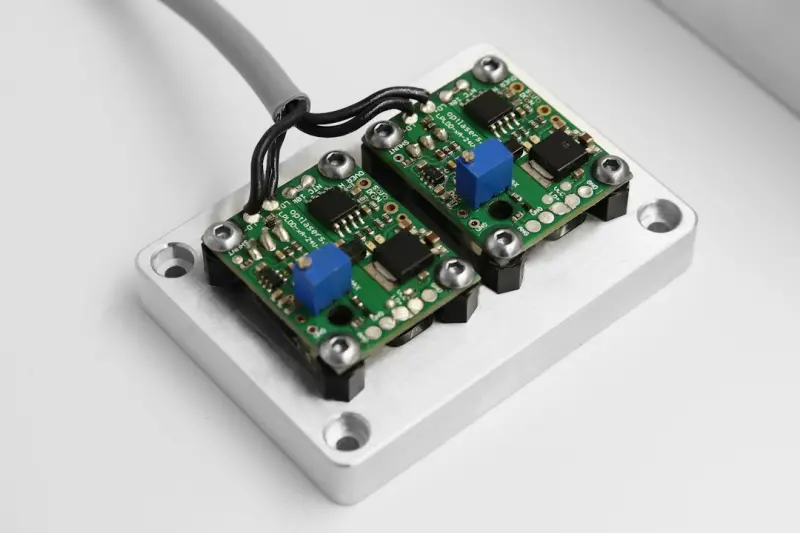
Smart Sensors and Edge AI: The New Backbone of Modern Industrial Operations
Smart sensors paired with edge AI are redefining industrial products, delivering predictive maintena... Read More
The Evolution of Industrial Products: How Sustainable Living is Revolutionizing the Industry
The industrial products sector is evolving rapidly as companies prioritize sustainable living. Learn... Read More

Smart Sensors, Modular Pods, and Circular Design: The New Blueprint for Industrial Products
A deep dive into three transformative trends—edge‑enabled smart sensors, modular automation plat... Read More
Top Posts

Unlocking the Power of Energy Data with SaaS Intelligence
A deep dive into how SaaS‑driven data pipelines, AI‑powered demand response, and decentralized energy marketplaces are reshaping the energy sector, offering...Read More

Why Storytelling is the Missing Link in Workplace Mental Health
A fresh look at mental health in the office, this post explains how storytelling can build empathy, provide real‑time insight, and create a culture where empl...Read More

The Rise of Eco-Friendly Home Decor: Trends and Tips for a Sustainable Living Space
The home decor industry is shifting towards sustainable living. Learn about the latest eco-friendly home decor trends and tips for creating a stylish and enviro...Read More

The Untapped Potential of Search Intent Clustering
Explore a fresh SEO methodology that groups user intent at scale, leverages data pipelines, and builds resilient content hubs for long‑term visibility....Read More
0 Comments
Post Comment
You will need to Login or Register to comment on this post!