
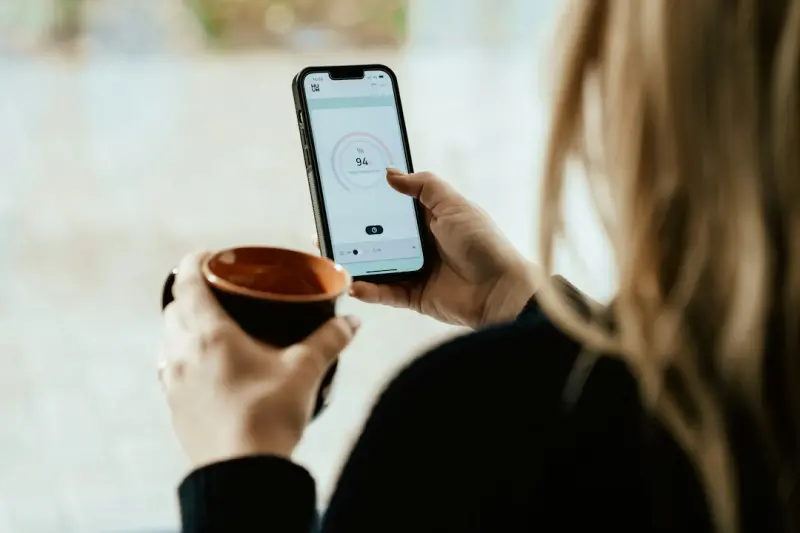
When Your Smartphone Becomes Your Personal Wellness Coach
Imagine opening your phone in the morning and being greeted not by a barrage of notifications, but by a calm, data‑driven briefing on how you slept, how hydrated you are, and what small adjustments can boost your day. This is no futuristic fantasy—it’s the emerging reality of smartphones repurposed as personal wellness ecosystems. As someone who’s spent years juggling product launches, sprint reviews, and endless email threads, I’ve learned that the most valuable tool in my kit isn’t a spreadsheet; it’s the tiny device I keep in my pocket.
Beyond Communication: The Phone as a Health Hub
When we think of smartphones, the first images that come to mind are messaging apps, social feeds, and perhaps a handful of work‑related shortcuts. Yet, the sensors packed inside these devices—accelerometers, gyroscopes, ambient light sensors, and even emerging bio‑sensing chips—can do so much more. They can track:
- Sleep quality through subtle motion patterns and ambient noise analysis.
- Heart rate variability using the camera’s flash and photodiode technology.
- Posture and activity via continuous motion detection.
- Environmental factors such as air quality and UV exposure.
When these data points are intelligently aggregated, they paint a holistic picture of your daily rhythms. The key is turning raw numbers into actionable insights, and that’s where thoughtful app design—and a bit of savvy integration—makes all the difference.
Designing for Trust and Transparency
One of the biggest obstacles to adopting a phone‑centric wellness routine is the lingering fear of data misuse. Users want the benefits of health tracking without sacrificing privacy. The solution lies in giving users full control over what is collected, how it’s stored, and who can see it.
For example, the Privacy‑First Web Hosting: Turning Compliance Into a Competitive Advantage article outlines a framework that can be adapted for personal health data: encrypt everything at rest, enforce strict access controls, and provide clear, jargon‑free consent dialogs. When the same rigor applied to enterprise hosting is mirrored in consumer health apps, users feel empowered rather than exposed.
AI‑Powered Personal Coaching
The next evolution is the integration of on‑device AI that can interpret health data in real time. Instead of sending everything to the cloud for analysis—introducing latency and potential privacy concerns—modern chipsets can run lightweight machine‑learning models locally.
Picture this: you finish a late‑night meeting, and your phone detects a spike in stress hormones (via subtle skin conductance). It quietly suggests a five‑minute breathing exercise, dims the screen to reduce blue light, and logs the session for later review. Over weeks, the AI identifies patterns—perhaps you’re consistently low on hydration on Tuesdays—and automatically nudges you with a reminder before you even notice the dip.
Integrating Workflows Without Disruption
For B2B professionals, the line between personal wellness and work performance is thin. A well‑rested, physically balanced mind is a more productive employee, yet the demands of a hybrid schedule often blur boundaries. The sweet spot is a seamless handoff between personal health insights and work‑related tools.
Think of a scenario where your wellness app syncs with your calendar. If the data shows you’re running low on sleep, the system could suggest moving a non‑critical meeting to a later slot or allocating a “focus buffer” to prevent burnout. This is not a hard‑stop rule, but a gentle, data‑backed recommendation that respects both personal agency and business needs.
For inspiration on how mobile experiences can become a competitive advantage, see Why Mobile Apps Are the New Competitive Edge for B2B SaaS Companies. While that piece focuses on enterprise software, the underlying principle—leveraging mobile touchpoints for deeper engagement—applies just as well to personal health workflows.
Hardware Evolution: From “One‑Size‑Fits‑All” to Adaptive Sensors
While software innovation drives much of the excitement, the hardware under the hood is evolving at a rapid pace. Recent flagship phones now ship with dedicated health‑specific chips, higher‑resolution cameras for skin analysis, and even thermal imaging modules. These advances are narrowing the gap between smartphones and specialized medical devices.
Importantly, these upgrades are being made with sustainability in mind. Modular designs, for instance, allow users to upgrade sensor packages without discarding the entire device. This concept, explored in depth in Modular Smartphones: A Sustainable Leap for Enterprises, can be repurposed for personal health: replace a battery module, add a new sensor, and keep the core phone intact.
Real‑World Use Cases: From the Desk to the Gym
Below are three concrete scenarios where a wellness‑focused smartphone can transform everyday routines:
- Morning Routine Optimization: Upon waking, the phone displays a concise “Sleep Score” derived from movement, heart rate, and ambient noise. It then curates a personalized playlist, suggests a hydration reminder, and offers a quick stretch sequence based on your posture data.
- Mid‑Day Energy Management: As you hit the afternoon slump, the device detects a dip in heart rate variability and increased screen flicker. It recommends a short walk, adjusts screen color temperature, and logs the activity for future pattern recognition.
- Post‑Workout Recovery: After a gym session, the phone uses the camera to assess muscle fatigue through micro‑vibrations, suggests optimal protein intake, and schedules a recovery meditation.
These moments feel almost magical when the experience is frictionless. The goal isn’t to turn every second of your day into a data point, but to sprinkle strategic, low‑effort interventions that compound into measurable health gains.
Challenges to Overcome
Even with the most compelling vision, there are practical hurdles:
- Data Accuracy: Consumer‑grade sensors still lag behind clinical equipment. Developers must communicate confidence intervals and avoid overpromising.
- Battery Drain: Continuous monitoring can sap power. Efficient sensor scheduling and on‑device processing are essential to maintain a full day of usage.
- User Fatigue: Too many prompts can feel intrusive. Adaptive frequency—where the system learns when you’re most receptive—helps mitigate alert fatigue.
Addressing these concerns requires collaboration between hardware manufacturers, app developers, and privacy advocates. The ecosystem must be built on open standards, allowing third‑party solutions to interoperate without lock‑in.
Future Outlook: The Phone as a Personal Health Hub
Looking ahead, I see three trends converging to make the wellness‑centric smartphone mainstream:
- Regulatory Clarity: As health‑tech regulations become more defined, developers will have clearer pathways to certify consumer‑grade health features, boosting user confidence.
- Cross‑Device Sync: Seamless handoff between phone, wearables, and even smart home devices will create a unified health narrative, eliminating data silos.
- Personalized AI Assistants: Voice‑activated, context‑aware agents will act as proactive health partners, offering suggestions before you even realize you need them.
When these elements click, your smartphone will evolve from a passive communication tool into an active, compassionate partner in your daily life. The promise isn’t just better health metrics; it’s a more intentional, balanced relationship with technology—one where the device serves you, not the other way around.
In the meantime, start small. Enable the built‑in sleep tracker, explore reputable wellness apps that prioritize data security, and experiment with the new sensor capabilities on your current phone. The journey toward a healthier, more mindful digital lifestyle begins with a single, mindful tap.

Amanda is a passionate writer exploring a kaleidoscope of topics from lifestyle to travel and everything in between.
Related Posts

The Ultimate Guide to the Best Alternative Phones for Tweens
The decision to give a child their first phone marks a major milestone—and a significant source of... Read More
How to Locate a Lost iPhone, iPad, Apple Watch, and MacBook: A Comprehensive Guide to Finding Your Apple Devices
Losing an Apple device – whether it’s your indispensable iPhone, your versatile iPad, your trust... Read More
Your Smartphone as a Personal Data Hub: Opportunities and Safeguards
Smartphones now store a wealth of personal and professional data, making them powerful hubs but also... Read More
Top Posts
Marketing Sprints: How Speed and Creativity Redefine Success
Learn why adopting a sprint mindset in marketing accelerates campaigns, enhances ROI, and integrates AI-driven insights for real‑time success....Read More

10 Things That Clog Your Drain and What to Do About It?
The gurgle that won't go away, the slow-draining sink, the shower stall that turns into a mini-lake – few household annoyances are as universally frustrating ...Read More

From Street to Boardroom: The Rise of Adaptive Footwear
Adaptive footwear blends modular design with premium comfort, offering a sustainable, versatile solution for modern professionals and redefining the future of f...Read More
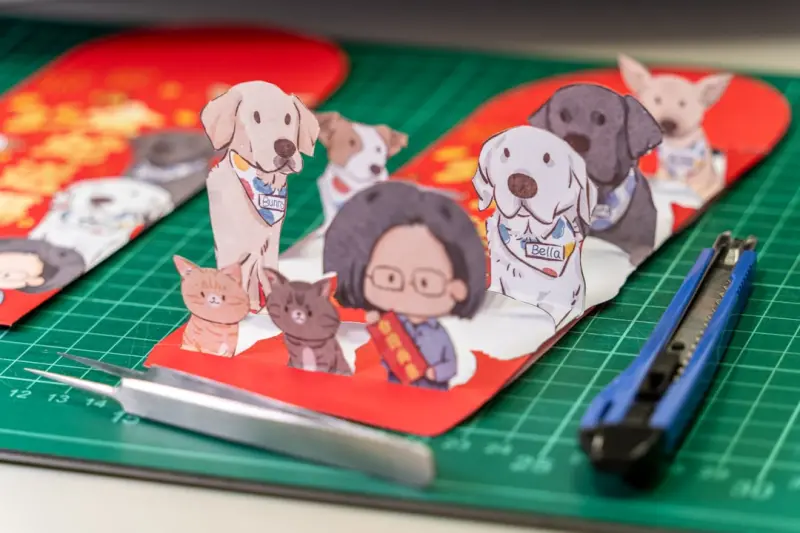
Pets at Work: How Furry Friends Are Shaping the Remote‑First Era
Discover why pets are becoming essential partners in remote work, improving mental health, productivity, and even brand strategy while embracing sustainable cho...Read More
0 Comments
Post Comment
You will need to Login or Register to comment on this post!