
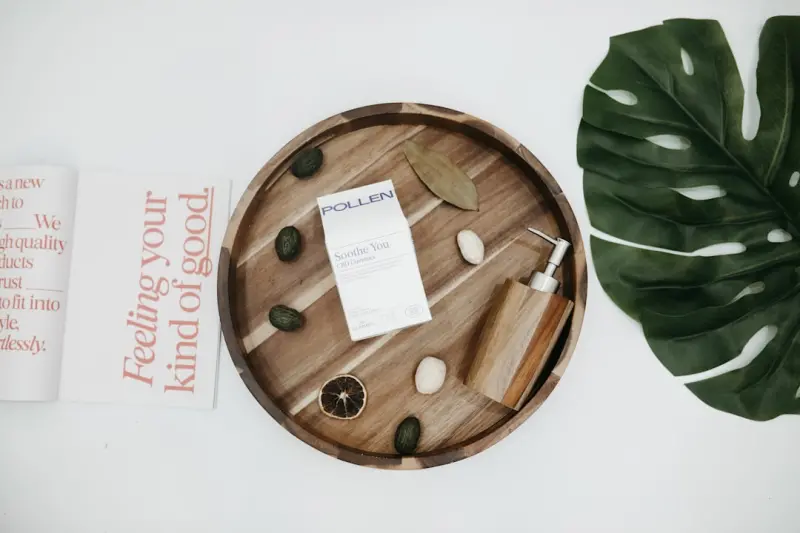
Why Personal Care Needs a Ritual Upgrade
When I first started experimenting with skincare, it felt like checking off a grocery list: cleanser, toner, moisturizer—repeat. Over time, I realized that the most satisfying moments in my day weren’t the ones where I simply “got the job done,” but the ones where the process itself felt intentional. That shift in mindset sparked a personal care revolution in my own routine, and it’s the story I want to share with you today.
The Gap Between “Clean” and “Whole”
Modern personal care markets are saturated with buzzwords—clean, vegan, cruelty‑free, sustainable. While these attributes are important, they often become checkboxes rather than guiding principles. The result? A cabinet full of products that look good on the shelf but don’t necessarily serve the deeper needs of the body, mind, and even the environment.
To bridge this gap, I began treating my daily regimen as a ritual rather than a routine. A ritual is an experience that engages the senses, aligns with personal values, and fosters a sense of continuity. Think of it as a micro‑meditation that you can weave into the fabric of your day.
Step 1: Mapping Your Sensory Landscape
Before buying another bottle of serum, I took a moment to map out the five senses that influence my personal care experience. Here’s how I did it:
- Sight: Color, texture, and packaging aesthetics. Does the product feel like a treat or a chore?
- Smell: Aromas can calm, energize, or even trigger memories. Choose scents that resonate with the mood you want to cultivate.
- Touch: The consistency—silky, gritty, cool, warm—affects how quickly a product is absorbed and how satisfying it feels.
- Sound: The subtle pop of a pump, the gentle whisper of a spray, or even the quiet hum of a facial roller can be surprisingly grounding.
- Taste (if applicable): While most personal care products aren’t ingested, lip balms and certain oral rinses can add a pleasant flavor note to the ritual.
By aligning each product with a specific sensory cue, you turn an ordinary act into a moment of mindfulness. This approach also makes it easier to spot redundancies—if two serums feel identical, you probably only need one.
Step 2: Layering Science With Intuition
Science should inform, not dominate, your personal care choices. I start by researching the active ingredients that address my skin’s needs—like niacinamide for barrier support or peptides for firmness. Then, I test the formulation’s feel and scent against my sensory map. If the science checks out but the sensory experience feels off, I look for an alternative that satisfies both.
For example, I swapped a high‑efficacy vitamin C serum that felt sticky for a powder‑encapsulated version that dissolved into a silky gel. The result: the same antioxidant benefits with a more enjoyable application.
Step 3: Integrating Technology Thoughtfully
Technology can be a powerful ally in personal care, but it should enhance—not distract—from the ritual. One of my favorite tools is a smart mirror that tracks skin hydration and offers gentle reminders to apply product after a workout. The key is to keep the interface minimal, so it becomes a quiet guide rather than a noisy interrupt.
In fact, many readers have asked how digital tools can complement personal care without overwhelming them. I recently referenced an digital wellness playbook that outlines how to set boundaries with tech, and the same principles apply here: schedule tech‑driven check‑ins, keep notifications low‑key, and use data as a gentle nudge, not a command.
Step 4: Embracing Adaptive Products
One emerging trend is “adaptive” personal care—products that change their formulation based on environmental factors or user input. Think of a moisturizer that becomes more occlusive when humidity spikes, or a cleanser that adjusts pH in response to skin’s natural acidity.
These products rely on smart polymers or micro‑encapsulation technology. While still early in mainstream adoption, they promise a future where we no longer need to juggle multiple products for different seasons. In the meantime, I experiment with simple hacks, like storing a lighter serum in the fridge during summer to preserve its potency and provide a refreshing sensation.
Step 5: The Power of Community‑Driven Feedback
When I switched to a new body wash, I didn’t just rely on the brand’s marketing claims. I scoured community forums, watched user‑generated videos, and even asked friends about their long‑term experiences. This collaborative vetting process saved me from investing in a product that promised “silky smooth skin” but left a lingering residue.
In the SaaS world, teams often rely on AI copilots to surface relevant insights. A similar mindset can be applied to personal care: let data—whether it’s a skin‑type quiz or a simple diary of how your skin feels after each product—guide your selections.
Step 6: Building a Ritual That Grows With You
Personal care isn’t static. As life changes—new job, moving cities, hormonal shifts—your ritual should evolve. I’ve built a “care capsule” system: a small, portable set of essentials (cleanser, moisturizer, lip balm) that I can swap in and out as my needs shift. The capsule is stored in a sleek pouch, turning the act of packing for travel into a mindful checkpoint.
When I notice my skin feeling tighter after a month of intense indoor work, I replace the daytime moisturizer with a barrier‑strengthening formula. When a new hobby (like yoga) introduces extra sweat, I add a post‑practice mist that balances pH and soothes. The ritual stays fresh because it responds to real‑time feedback.
Step 7: Sustainability as a Core Value
Finally, I align my ritual with sustainability. I prioritize refillable containers, biodegradable packaging, and brands that invest in circular economies. The impact goes beyond the environment; it adds an extra layer of intention to the ritual. Every time I click the refill button, I’m reminded that my personal care choices ripple outward.
To keep this practice alive, I schedule a quarterly “product audit.” I pull all my items, check expiration dates, assess packaging, and decide which to keep, donate, or recycle. This audit not only reduces waste but also forces me to reflect on what truly works for me.
Putting It All Together: My Daily Ritual Blueprint
Below is a snapshot of the routine I follow on a typical weekday. Feel free to adjust the timings and product types to fit your own life.
- Morning (5‑10 min):
- Gentle splash of lukewarm water.
- Press‑type cleanser with a subtle citrus aroma (sight & smell).
- Light serum containing niacinamide—applied with upward strokes (touch).
- Moisturizer with a faint marine scent, finished with a few seconds of facial massage (sound of fingertips).
- SPF 30—no‑white‑cast formula, ensuring skin protection without visual compromise.
- Mid‑day Refresh (2‑3 min):
- Facial mist infused with rose water (smell & touch).
- Quick press of a lip balm with a subtle honey flavor (taste & smell).
- Evening (7‑10 min):
- Double‑cleanse: oil‑based cleanser followed by a foaming gel.
- Targeted treatment (peptide serum) applied with a jade roller (sound & touch).
- Richer night cream with a calming lavender scent.
- Optional 5‑minute meditation focusing on breath, anchoring the ritual in mindfulness.
Notice how each step includes a sensory cue, a scientific ingredient, and an intentional pause. This synergy is the heart of the holistic personal care ritual.
Common Pitfalls and How to Avoid Them
1. Over‑Complicating the Routine: Adding too many steps can turn a ritual into a chore. Start with three core actions and expand only when you feel genuine excitement.
2. Ignoring Skin’s Feedback: If a product causes irritation, don’t push through because of “brand hype.” Trust the body’s signals.
3. Relying Solely on Trends: Trending ingredients can be fun, but they’re not universal solutions. Pair trends with personal data.
4. Neglecting the Environment: Disposable packaging may feel convenient but contributes to landfill waste. Opt for refills or biodegradable options whenever possible.
Looking Ahead: The Future of Personal Care Rituals
As AI and sensor technology become more accessible, we’ll see a wave of hyper‑personalized products that adapt in real time. Imagine a showerhead that detects skin hydration levels and adjusts water temperature accordingly, or a smart toothbrush that syncs with a wellness app to suggest post‑brush mouthwash based on oral flora analysis.
These innovations will blur the line between tech and ritual, but the core principle will remain the same: intentionality. Whether you’re using a simple crystal roller or a data‑driven skin scanner, the goal is to create moments that honor both the body and the mind.
Take the First Step Today
Start small. Pick one sense—perhaps smell—and replace your current cleanser with a product that has a fragrance you love. Notice how this tiny shift influences your mood and engagement with the rest of the routine. From there, iterate, listen, and build a personal care ritual that feels like a daily celebration of yourself.

Sanji Patel is a Staff Writer at Blogging Fusion and a globally recognized SEO consultant with 25 years of industry experience. He specializes in delivering comprehensive technical and editorial SEO services to news publishers worldwide. Sanji frequently shares his insights as a speaker at international conferences and delivers annual guest lectures at local universities.
Professional Profile
- Current Role: Staff Writer at Blogging Fusion.
- Core Expertise: Technical and editorial SEO strategy.
- Target Audience: Global news publishers and digital media outlets.
- Industry Experience: 25 years of dedicated SEO consultancy.
- Public Engagement: International conference speaker and university guest lecturer.
Related Posts

Zero‑Waste Personal Care: Building a Sustainable Grooming Routine
Learn how to transform your daily grooming habits into a sustainable, high‑performing routine with... Read More
The Quiet Revolution of Hand Care in a Touch‑Free World
A deep dive into the importance of hand care, offering practical routines, tools, and data‑driven ... Read More
Data-Driven Skincare: The Next Personal Care Revolution
A deep dive into how AI, microbiome science, and sustainable packaging are personalizing skincare, e... Read More
Top Posts

The Evolution of Email Marketing: Trends and Insights
Email marketing continues to evolve, with personalization, storytelling, and mobile-friendliness becoming increasingly important. Learn how to stay ahead of the...Read More
Marketing Sprints: How Speed and Creativity Redefine Success
Learn why adopting a sprint mindset in marketing accelerates campaigns, enhances ROI, and integrates AI-driven insights for real‑time success....Read More

Future‑Proofing SEO for the Age of Generative Search
Discover a step‑by‑step strategy for making your site AI‑ready, using semantic clustering, structured data, and intent‑first content to thrive in Google...Read More

What to Expect From Wood Floor Restoration?
Wood floors are a timeless and elegant addition to any home. Their natural beauty, warmth, and durability are unmatched, making them a popular choice for homeow...Read More
0 Comments
Post Comment
You will need to Login or Register to comment on this post!