
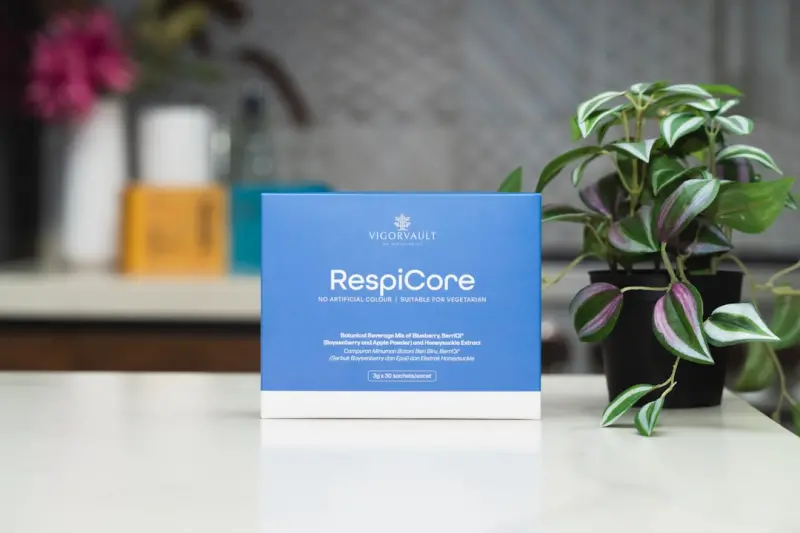
When I first stepped into my bathroom this morning, I didn’t just see a sink and a few bottles—I saw an ecosystem waiting to be nurtured. The notion that the skin’s microbiome is as vital to our health as the gut flora has been gaining traction, yet most of us still treat our bodies as a series of isolated tasks: cleanse, moisturize, repeat. In this post, I’ll walk you through how a microbiome‑first mindset can transform everyday personal care routines into holistic, resilient practices that support not just the surface but the living community beneath it.
Why the Microbiome Matters More Than You Think
Our skin is home to roughly one trillion microbes—bacteria, fungi, and viruses that coexist in a delicate balance. These microorganisms form a protective barrier, regulate pH, and even influence how we respond to stress and allergens. When this balance is disrupted, we see the rise of common issues: acne, eczema, rosacea, and premature aging.
Traditional personal care products often aim to eradicate “bad” bacteria with harsh surfactants and antiseptics, inadvertently wiping out the beneficial colonies that keep skin thriving. The emerging science of microbiome‑centric care flips that script: instead of annihilating microbes, we feed and protect them.
Three Pillars of a Microbiome‑First Routine
- Gentle Cleansing: Choose surfactants derived from natural sugars (like decyl glucoside) that cleanse without stripping the lipid barrier.
- Prebiotic & Probiotic Support: Incorporate ingredients that either feed the good microbes (prebiotics such as inulin) or introduce beneficial strains (probiotics like Lactobacillus ferment).
- Barrier‑Repairing Moisturization: Opt for ceramide‑rich creams and humectants that reinforce the skin’s natural defenses.
Implementing these pillars doesn’t require a complete overhaul of your cabinet—just a thoughtful swap of a few key products. Below, I’ll break down the science behind each step and suggest practical ways to integrate them.
1. The Gentle Cleanser: A New Kind of Fresh Start
Conventional cleansers often rely on sulfates (SLS, SLES) that create a foamy lather but also disrupt the skin’s natural acid mantle. A better approach is low‑pH, sugar‑based cleansers that maintain the skin’s slightly acidic environment (pH 4.5‑5.5), which is optimal for the resident microbiota.
Look for product labels that highlight:
- Decyl glucoside, coco‑glucoside, or lauryl glucoside
- Absence of parabens, phthalates, and synthetic fragrances
- Added prebiotic fibers like oat beta‑glucan
When you rinse with lukewarm water instead of hot, you further protect heat‑sensitive microbes that thrive at skin temperature.
2. Feeding the Good Guys: Prebiotic & Probiotic Boosters
Prebiotics are essentially food for beneficial bacteria. Ingredients such as inulin, fructooligosaccharides (FOS), and galactooligosaccharides (GOS) can be found in many modern serums and toners. These sugars are non‑fermentable by pathogenic microbes but serve as nourishment for the commensal strains that keep the skin balanced.
Probiotic skincare introduces live cultures directly onto the skin. While the viability of these organisms can be a challenge (they must survive packaging and the journey to your bathroom), advances in encapsulation technology have made it possible to deliver stable probiotic strains that can colonize the skin surface.
If you’re curious about how data can personalize these choices, check out When Sensors Meet Skin: Crafting a Data‑Driven Personal Care Routine. The article explores how smart devices can map your skin’s microbial profile and recommend tailored pre‑ and probiotic formulas.
3. Sealing the Deal: Barrier‑Repair Moisturizers
After cleansing and feeding the microbiome, you need to lock in moisture and protect the skin’s barrier. Look for moisturizers that combine:
- Ceramides: Lipid molecules that rebuild the skin’s protective layer.
- Niacinamide: A form of vitamin B3 that calms inflammation and supports barrier function.
- Hyaluronic Acid: A humectant that attracts water without disrupting microbial balance.
Many newer formulas also embed prebiotic fibers directly into the cream, creating a symbiotic product that both moisturizes and nourishes the microbiome.
Beyond the Bottle: Lifestyle Tweaks That Support Your Skin’s Ecosystem
Products are only part of the picture. Your daily habits—diet, stress management, and environment—play a massive role in shaping the skin microbiome.
Mindful Eating
Fermented foods (kimchi, kefir, kombucha) supply your gut with probiotics, which have been shown to influence skin health via the gut‑skin axis. Additionally, a diet rich in polyphenols (berries, green tea) offers antioxidant protection that benefits both gut and skin microbes.
Stress Reduction
Chronic stress elevates cortisol, which can disrupt skin barrier integrity and shift microbial composition. Incorporating short mindfulness breaks, deep‑breathing exercises, or a brief walk outdoors can keep stress levels in check.
Environmental Hygiene
While it’s tempting to sanitize everything, over‑cleaning surfaces—especially your pillowcases and phone screens—removes the beneficial microbes that help train your skin’s immune system. Opt for gentle, fragrance‑free laundry detergents and wash your pillowcases at least once a week with a mild detergent.
Integrating Community Insight: A Collaborative Path Forward
One of the most exciting developments in personal care is the rise of community‑driven knowledge sharing. Platforms where users exchange product experiences, microbiome test results, and routine tweaks are fostering a collective intelligence that accelerates discovery. If you want to see how this communal approach is reshaping wellness, explore Unlocking the Power of Community-First Wellness: A Fresh Playbook. The piece highlights how shared data can lead to more inclusive, effective product innovations.
DIY Microbiome‑Friendly Skincare: Simple Recipes to Try
If you love a hands‑on approach, try these easy, microbiome‑safe formulations. All ingredients are readily available at health food stores or online.
Prebiotic Oat & Honey Cleanser
- 1/2 cup finely ground oats (prebiotic fiber)
- 2 tbsp raw honey (natural humectant)
- 1 tsp almond oil (gentle emollient)
- Warm water to create a paste
Mix ingredients into a smooth paste, massage onto damp skin, and rinse with lukewarm water. The oats feed good bacteria while honey soothes inflammation.
Probiotic Yogurt Moisturizer
- 2 tbsp plain full‑fat yogurt (live cultures)
- 1 tsp jojoba oil (barrier support)
- 5 drops lavender essential oil (optional, for scent)
Combine and store in a clean glass jar. Apply a thin layer after cleansing; the live cultures can help replenish skin flora overnight.
Future Trends: Where Microbiome Personal Care Is Heading
Looking ahead, we can expect three major shifts that will further embed microbiome awareness into everyday routines:
- Precision Skincare Kits: At‑home microbiome test kits paired with AI‑driven recommendations, allowing users to receive custom formulations based on their unique microbial fingerprint.
- Eco‑Friendly, Biodegradable Packaging: As the industry embraces sustainability, expect more containers made from plant‑based polymers that break down without harming the environment—or the skin’s microbes.
- Cross‑Industry Collaboration: Nutrition, dermatology, and tech firms are teaming up to create holistic health platforms where gut, skin, and mental wellness data converge for a truly integrated approach.
Embracing these trends doesn’t mean discarding everything you love about your current routine; it simply adds a layer of intention—recognizing that each product, each habit, is a conversation with the living community on your skin.
Putting It All Together: A Sample Day
Here’s a quick snapshot of how a microbiome‑centric day could look:
- Morning: Gentle sugar‑based cleanser → Prebiotic serum (inulin‑infused) → Ceramide‑rich moisturizer.
- Mid‑day: 5‑minute breathing exercise to lower cortisol → Sip kombucha during a break.
- Evening: Light probiotic yogurt mask (10‑15 min) → Light, fragrance‑free moisturizer.
- Night: Clean pillowcase with mild detergent → Optional skin‑microbiome test (once a month) to track progress.
When you align your personal care choices with the science of the microbiome, you’ll notice not just clearer skin but also a calmer, more resilient sense of self. The skin is an extension of our internal ecosystems—nurture it, and it will, in turn, nurture you.

Amanda is a passionate writer exploring a kaleidoscope of topics from lifestyle to travel and everything in between.
Related Posts

Cultivating a Skin Microbiome: A Fresh Approach to Personal Care
Discover why the skin microbiome is vital, how to audit your routine, and practical steps—includin... Read More

When Sensors Meet Skin: Crafting a Data‑Driven Personal Care Routine
Discover how real‑time skin sensors, collective purchasing power, and robust data security are cre... Read More

When Your Skin Talks Back: A New Era of Responsive Personal Care
Responsive personal care uses wearable bio‑sensors, edge‑AI, and adaptive product dispensers to ... Read More
Top Posts

Beyond Keywords: Crafting On‑Page Experiences That Rank
A deep dive into modern on‑page SEO that moves past keyword stuffing, focusing on user experience, visual assets, voice search, structured data, and core web ...Read More

Creating a Sustainable Home: Eco-Friendly Improvements for a Greener Future
Learn how to create a sustainable home with eco-friendly improvements, reducing your environmental impact while saving money. Explore energy-efficient upgrades,...Read More

Heated Towel Rails - Why not spoil yourself
In the pursuit of creating a truly comfortable and functional home environment, attention often gravitates towards major appliances, sophisticated decor, or sma...Read More

The Evolution of SEO: Navigating the Changing Landscape of Search Engine Optimization
The field of SEO is dynamic and ever-changing. Learn how to navigate the changing landscape of search engine optimization to drive more traffic, leads, and sale...Read More
0 Comments
Post Comment
You will need to Login or Register to comment on this post!