

Reimagining Play: The DIY Toy Revolution
When I first unpacked a wooden puzzle that my niece helped assemble, I felt a quiet thrill that commercial plastic toys rarely spark. That moment sparked my curiosity about how DIY toy kits could become a conduit for deeper connection, imagination, and responsibility in households that crave authenticity. In a world saturated with disposable playthings, the surge of kits that invite children and parents to build, paint, and customize their own toys feels like a gentle rebellion against the fast‑fashion mindset of childhood.
The Eco‑Shift: From Plastic to Plant‑Based Materials
Traditional toy manufacturing has long been a hidden contributor to landfill overload, with billions of single‑use plastics choked into oceans each year. Emerging makers are swapping petroleum‑based polymers for bamboo fibers, recycled cardboard, and biodegradable bioplastics, turning the act of play into a lesson in stewardship. By choosing kits that prioritize renewable resources, families not only reduce their carbon footprints but also model a tangible, hands‑on approach to sustainability that children can see, touch, and proudly own.
Learning by Building: Cognitive Gains for Kids
Research consistently shows that children who engage in open‑ended construction activities develop stronger spatial reasoning, problem‑solving skills, and perseverance. DIY kits transform abstract concepts into concrete experiences: a child measures a wooden beam, aligns a gear, or decides which color to paint a character, all while negotiating trial and error in real time. This tactile learning loop reinforces confidence, encourages curiosity, and nurtures a growth mindset far beyond the fleeting excitement of a pre‑assembled gadget.
Community, Tech, and the Future of Handmade Play
One of the most exciting aspects of modern DIY toys is the thriving online maker community that surrounds them, where parents swap designs, offer troubleshooting tips, and celebrate each other's creative milestones. Platforms now integrate a subtle virtual economy that lets families trade custom components or earn badges for completing eco‑challenge missions, turning play into a collaborative, gamified experience. Augmented reality guides have also entered the scene, projecting step‑by‑step instructions onto work surfaces via smartphone, which reduces frustration and empowers even novice builders to succeed.
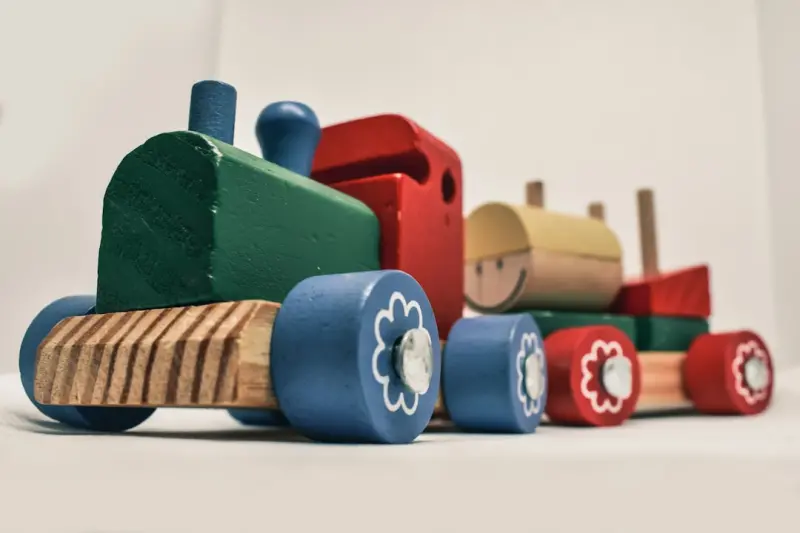
Beyond the digital layer, many kits now embed smart sensors that monitor wear and alert parents when a piece needs reinforcement, echoing principles from smart maintenance technology. This proactive approach not only extends the life of the toy but also teaches children the value of caring for their creations, reinforcing the idea that maintenance is an integral part of any relationship—whether with a robot or a wooden train set.
These community‑driven ecosystems also spark entrepreneurship among young creators, who can design and sell their own accessories on niche marketplaces, blurring the line between play and real‑world commerce. By participating in these micro‑economies, kids gain early exposure to concepts like supply and demand, pricing, and customer feedback, all within a safe, supportive environment that celebrates imagination over profit.
For parents, the shift toward maker‑centric toys offers a refreshing alternative to screen‑heavy entertainment, providing a tangible avenue for quality family time. Sitting around a table, measuring, cutting, and painting together creates a shared narrative that strengthens bonds and builds a repository of cherished memories, something no streaming service can replicate.
Making It Worthwhile: Cost, Longevity, and Legacy
While the upfront price of a premium DIY kit can appear higher than a mass‑produced plastic toy, the long‑term savings become evident as the creation endures through multiple play cycles and even passes down to younger siblings. Durable materials, coupled with the ability to replace or upgrade individual components, transform a single purchase into a generational heirloom, echoing the timeless charm of classic wooden toys that once graced grandparents' shelves.
Ultimately, embracing DIY toy kits is a declaration that play can be purposeful, environmentally conscious, and richly collaborative. By inviting children to co‑create their own worlds, we empower the next generation to value craftsmanship, nurture curiosity, and champion sustainability—one puzzle piece at a time.

Mei Chen is a dynamic professional who brings a unique blend of skills to Blogging Fusion. As a key contributor to the Blogging Fusion platform, she leverages her writing expertise to create engaging content that resonates with our audience.
Related Posts

Playful Learning in the Age of AI: Intelligent Toys Transform Childhood
Intelligent toys are merging adaptive AI, human‑centric design, and eco‑friendly materials to cr... Read More

The Power of Play: How Toys Can Impact Our Mental Wellbeing
Toys and play can have a profound impact on our mental wellbeing, reducing stress and anxiety, impro... Read More
Playful Prototyping: How Toys Fuel Business Innovation
Discover how integrating physical toys into team workflows unlocks rapid ideation, improves collabor... Read More
Top Posts

Unlocking Your Productivity: Building No‑Code Automation Workflows
Software pros are turning to no‑code automation to streamline daily grind; learn step‑by‑step how to design, test, and scale personal workflows that save ...Read More

Weaving the Perfect SaaS Tool Stack: From Data Mesh to Contextual UI
Discover a three‑layer framework for turning a chaotic stack of SaaS tools into a seamless, data‑driven tapestry that improves onboarding, cuts costs, and e...Read More

The Pop‑Up Playbook: How Tiny Leagues Are Changing the Game
Pop‑up leagues turn vacant spaces into vibrant competition hubs, unlocking hidden talent, building loyal communities, and offering brands genuine connections ...Read More

Unlocking Bing’s Hidden Power for B2B SaaS Visibility
Bing isn’t just a backup to Google—its integration with Windows, Edge, and LinkedIn makes it a strategic channel for B2B SaaS. Learn practical steps to opti...Read More
0 Comments
Post Comment
You will need to Login or Register to comment on this post!