
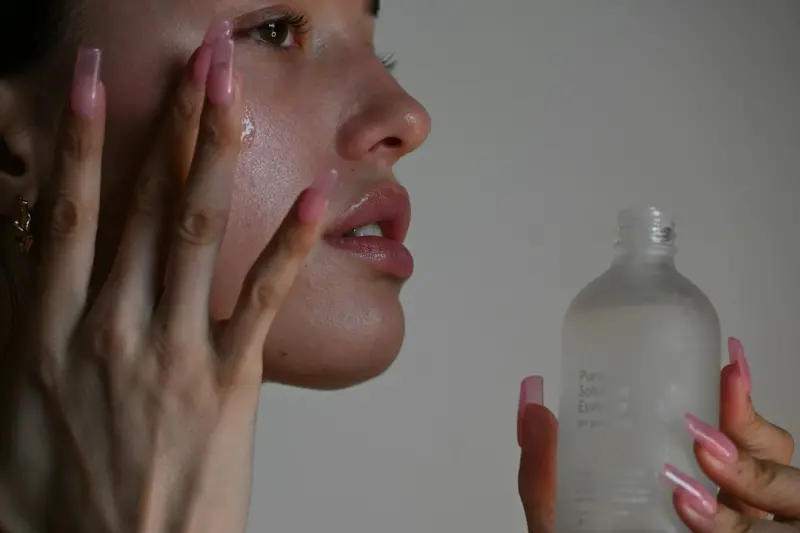
From One‑Size‑Fits‑All to Data‑Crafted Personal Care
When I first stepped into the bathroom of a friend’s apartment, I noticed something that would stick with me for months: the clutter of half‑used serums, mismatched moisturizers, and a shelf of products that looked like they’d been chosen on a whim rather than a strategy. It was a micro‑cosm of the personal‑care industry—a market flooded with options but starving for relevance. The paradox is simple: we have more products than ever, yet we still feel clueless about what truly works for our skin, hair, and body.
That feeling sparked my curiosity. What if the same data‑driven rigor that fuels SaaS platforms could be applied to the intimate world of personal care? What if every drop of serum, each dab of deodorant, and even the scent of a candle were backed by a personalized algorithm that knew my microbiome, climate, and lifestyle?
The Blind Spot in Traditional Personal Care
Most personal‑care recommendations still rely on broad demographic categories: “for oily skin,” “for men over 40,” or “for active lifestyles.” These buckets are convenient for marketers but miss the nuance that makes each of us unique. Two people with “oily skin” can have completely different skin barrier functions, microbiome compositions, and sensitivities to ingredients.
Without granular insight, manufacturers default to “best‑selling” formulas, which can lead to a cycle of trial‑and‑error for consumers. The result? Waste—both in terms of product and environmental impact.
Enter the era of data‑crafted personal care, where the goal is to replace guesswork with precision.
Microbiome‑Friendly Formulas: The New Standard
The skin microbiome, a bustling ecosystem of bacteria, fungi, and viruses, plays a pivotal role in barrier health, inflammation, and even emotional well‑being. Recent research shows that disrupting this balance can trigger acne, eczema, and premature aging. Brands that ignore the microbiome are essentially trying to paint a masterpiece with a blunt brush.
Forward‑thinking companies are now formulating products with pre‑biotics, post‑biotics, and gentle surfactants that nurture the skin’s natural inhabitants. The challenge lies in translating complex scientific data into consumer‑friendly packaging. That’s where ingredient transparency movement offers a roadmap: clear labeling, third‑party lab results, and storytelling that demystifies the science.
AI‑Powered Skin Diagnostics: From Mirror to Mobile
Imagine holding your phone up to your face and receiving a real‑time analysis of hydration levels, melanin distribution, and potential irritants. AI algorithms trained on millions of annotated images can now spot subtle changes that even seasoned dermatologists might miss. These diagnostics don’t just suggest a product; they generate a personalized regimen that evolves as your skin does.
What makes this truly revolutionary is the feedback loop. After a product is applied, the app can monitor how the skin responds over days, adjusting ingredient concentrations or suggesting complementary routines. The data never sits idle; it fuels continual improvement.
Privacy‑First Data Handling: Trust as a Competitive Edge
With great data comes great responsibility. Consumers are increasingly wary of handing over biometric information to companies that have a history of lax data practices. A privacy‑first approach can turn that apprehension into loyalty.
Brands must adopt end‑to‑end encryption, transparent consent mechanisms, and clear data‑deletion policies. When users see that their skin health data is stored securely and never sold to third parties, they’re far more willing to engage with sophisticated personalization tools.
Sustainable Packaging Meets Personalization
Personalized formulas often require flexible packaging—think refillable cartridges or modular dispensers that adapt to dosage changes. This shift aligns perfectly with sustainability goals. By reducing single‑use plastics and encouraging refill cycles, companies can shrink their carbon footprints while keeping the consumer experience premium.
Moreover, smart packaging equipped with NFC chips can relay usage data back to the brand, informing future product development without compromising privacy. The result is a virtuous circle: smarter products, less waste, and deeper consumer insight.
Integrating Wearables for Holistic Care
Wearable technology has matured beyond step counters. Modern devices track sweat composition, UV exposure, and even stress‑induced hormonal changes. When synced with a personalized skin‑care app, these wearables can suggest when to apply a SPF booster, when to switch to a richer moisturizer, or when to skip a routine altogether.
For example, if a wearable detects high UV index combined with low skin hydration, the app could push a notification: “Your skin is dehydrated under strong sun—apply a hydrating serum before sunscreen.” This level of contextual recommendation bridges the gap between static product lines and dynamic daily needs.
Actionable Steps for Brands Ready to Dive In
- Invest in microbiome research. Partner with labs that can analyze skin swabs and provide actionable insights for formulation.
- Build a data infrastructure. Collect consented user data, store it securely, and create APIs that feed AI models for real‑time recommendations.
- Prioritize transparency. Publish ingredient sources, concentrations, and third‑party test results. Let consumers see the science behind the scent.
- Adopt privacy‑by‑design. Incorporate encryption and minimal data retention from day one, not as an afterthought.
- Design refillable, modular packaging. Reduce waste and enable dynamic dosing based on AI recommendations.
- Leverage wearables. Offer SDKs that allow third‑party health devices to feed data into your personalization engine.
Case Study: A Startup That Got It Right
One boutique brand launched a “Skin DNA” kit that users could swab at home and mail back for sequencing. Within a week, the company’s AI matched each user with a bespoke serum blend, adjusting actives based on microbiome diversity. The packaging was a sleek, refillable glass bottle equipped with a QR code that unlocked a dashboard showing real‑time skin metrics.
Because the brand emphasized data security—storing DNA data on a HIPAA‑compliant server and deleting it after formulation—customers reported a 92% satisfaction rate, citing “trust” as a key factor. The initiative also cut product returns by 68%, proving that personalization reduces mismatched expectations.
What the Future Holds
The convergence of AI, microbiome science, and sustainable design is reshaping personal care from a reactive industry to a proactive partner in health. As algorithms become more nuanced and sensors more accurate, we’ll see an era where your morning routine feels less like a chore and more like a conversation with your own biology.
But the journey isn’t just about technology; it’s about cultural shift. Consumers must feel empowered to share data, and brands must earn that trust through unwavering transparency and ethical stewardship. When both sides align, the result is a marketplace where every product truly belongs to you.
So next time you stare at that crowded bathroom shelf, imagine a world where each bottle knows you—your skin’s rhythm, your environmental context, and your values. That’s not a distant dream; it’s the next wave of personal care, waiting to be surfed.

Ryan Stuart is a seasoned freelance features writer, editor, and professional photographer with a passion for exploring the world and capturing its beauty through words and images.
Related Posts

Cultivating a Skin Microbiome: A Fresh Approach to Personal Care
Discover why the skin microbiome is vital, how to audit your routine, and practical steps—includin... Read More

Zero‑Waste Personal Care: Building a Sustainable Grooming Routine
Learn how to transform your daily grooming habits into a sustainable, high‑performing routine with... Read More

When Sensors Meet Skin: Crafting a Data‑Driven Personal Care Routine
Discover how real‑time skin sensors, collective purchasing power, and robust data security are cre... Read More
Top Posts
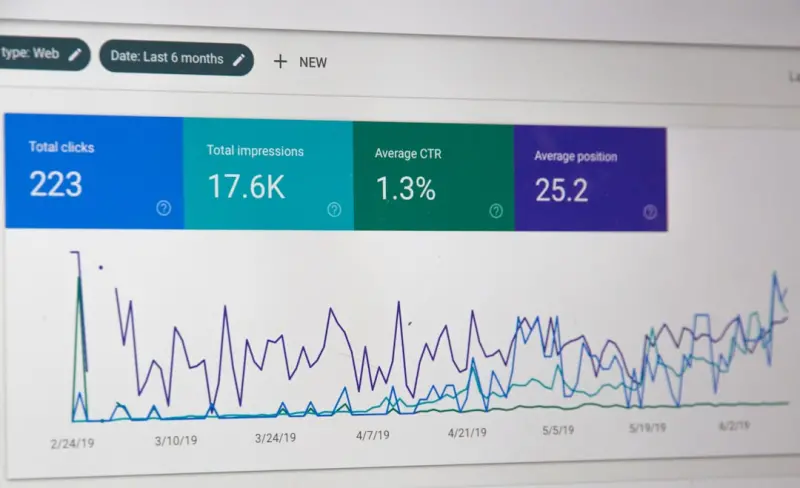
Cracking the Bing Algorithm: Fresh Strategies for Modern Marketers
Bing is evolving with AI, local focus, and deeper Microsoft integration. This guide reveals how to structure content, optimize for voice, earn high‑quality li...Read More

Quiet Corners: Small-Scale Home Hacks for Daily Calm
Explore low‑tech, high‑comfort home hacks—from entryway transitions to bedtime rituals—that create quiet corners for daily calm and improved wellbeing....Read More
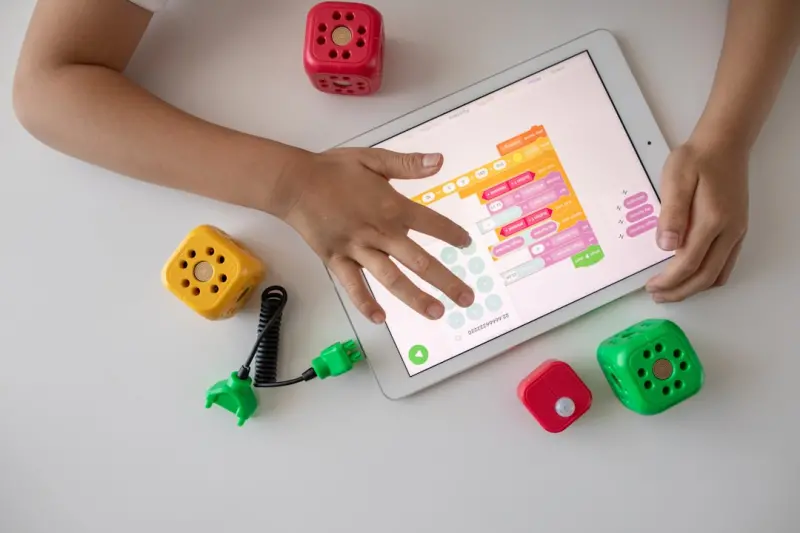
Raising Kids in a Digital World: Intentional Rituals for Real Connection
Learn how intentional daily rituals, collaborative screen contracts, and story‑time traditions can empower families to thrive amid constant digital distractio...Read More
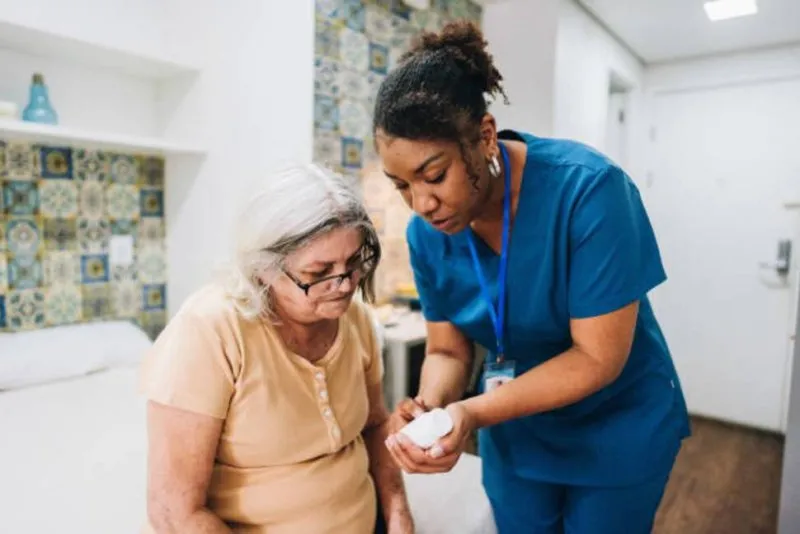
How to Find a High-Quality Senior Assisted Living Facility
As our loved ones age, they may require additional care and support to maintain their quality of life. Senior assisted living facilities provide a comfortable, ...Read More
0 Comments
Post Comment
You will need to Login or Register to comment on this post!