
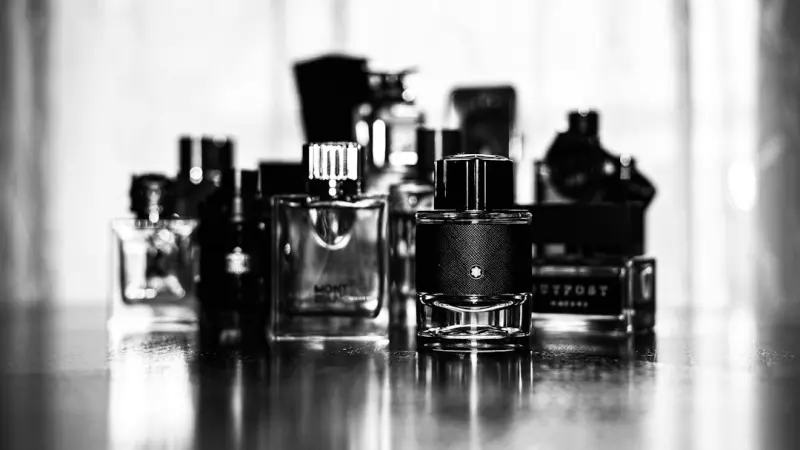
Why Your Perfume Is More Than a Scent
When I first stepped into a high‑end boutique and was greeted by a cascade of citrus‑green notes, I didn’t just notice the fragrance—I felt my brain perk up. It was a subtle jolt, an invisible cue that something was about to happen. Over the years, I’ve learned that scent works like a backstage director, silently setting the scene for everything that follows. In the beauty and cosmetics world, we’ve spent decades obsessing over texture, shade, and finish, but the olfactory dimension is often an afterthought. This piece is my deep dive into why fragrance should be a strategic pillar in both personal routines and brand storytelling.
The Science Behind Smell and the Brain
The olfactory system is the only sense that bypasses the thalamus—the brain’s relay station—and goes straight to the limbic system, which houses memory and emotion. This direct line explains why a whiff of fresh‑cut grass can instantly transport you to a summer afternoon, or why a particular perfume can trigger a flash of a first date.
- Emotional Trigger: Aromas activate the amygdala, the brain’s emotional hub, influencing mood within seconds.
- Memory Recall: The hippocampus links scents to autobiographical memories, making fragrance a powerful storytelling tool.
- Physiological Response: Certain notes can modulate cortisol levels, heart rate, and even cognitive focus.
Research from the Journal of Neuroscience shows that participants exposed to rosemary essential oil performed up to 12% better on memory tests. Meanwhile, lavender has been consistently shown to reduce anxiety and improve sleep quality. The takeaway? Scent isn’t just a vanity metric; it’s a measurable driver of mental state.
Fragrance as a Productivity Hack
In the age of wearable tech redefining skincare, we’re accustomed to gadgets that tell us when to breathe, stretch, or stand. Yet, we rarely consider the scent‑based equivalents that can boost focus without a notification ping.
Here are three scent‑based strategies I’ve tested in my own studio:
- Peppermint Power‑Boost: A light spritz of peppermint on the wrist before a brainstorming session can sharpen alertness. It works by stimulating the sympathetic nervous system, giving you a natural “wake‑up” call.
- Citrus Clarity: Lemon or bergamot diffusers in meeting rooms promote a sense of cleanliness and clarity, reducing perceived “mental clutter.”
- Subtle Vanilla for Stress Reduction: During high‑pressure client calls, a faint vanilla note can lower cortisol, keeping you calm without appearing disengaged.
Pair these olfactory cues with intentional breaks, and you’ll notice a tangible lift in both focus and mood. It’s a low‑tech complement to the data‑driven dashboards we love.
Brand Loyalty Through Signature Scents
Luxury brands have long understood the power of scent branding. Think of the iconic Chanel No. 5 bottle or the faint perfume that greets you when you walk into a flagship store. These olfactory signatures become part of a brand’s DNA, creating a subconscious association that can influence purchasing decisions.
When developing a fragrance for a cosmetics line, consider the following:
- Consistency Across Touchpoints: Use the same scent in packaging, in‑store experiences, and even in marketing videos to reinforce brand memory.
- Emotion‑Driven Note Selection: If your brand promotes confidence, opt for bold notes like jasmine or sandalwood. For calmness, lean into soft musks and light florals.
- Storytelling Integration: Embed the fragrance narrative into product copy. “Infused with the uplifting zest of Sicilian lemon, this serum awakens your skin and spirit.”
By aligning scent with brand values, you transform a simple product into an immersive experience.
Choosing Clean, Sustainable Fragrances
While scent is a potent tool, the industry faces increasing scrutiny over ingredient transparency. Consumers now demand “clean” fragrances—those free from synthetic allergens and harmful solvents. The movement mirrors broader sustainability trends, such as those highlighted in tiny swaps that cut carbon emissions. Opting for responsibly sourced essential oils not only supports ethical farming but also reduces the carbon footprint of your product line.
Key steps for a clean fragrance strategy:
- Audit Your Supply Chain: Verify that raw materials are harvested using regenerative practices.
- Embrace Transparent Labelling: List each aromatic component, even if it’s a naturally derived ingredient.
- Leverage Biotechnology: Emerging biotech firms can produce identical scent molecules without the need for plant extraction, conserving biodiversity.
These measures align your brand with the conscious consumer while preserving the integrity of the fragrance itself.
DIY Scent Rituals for Professionals
Even if you’re not a perfumer, you can curate a personal scent ritual that enhances daily performance. Here’s a simple three‑step routine you can implement in under five minutes:
- Morning Activation: Apply a roll‑on of citrus‑pepper blend to pulse points. The quick inhalation will prime your brain for focus.
- Midday Reset: Keep a small diffuser at your desk with a calming lavender‑vanilla mix. A two‑minute inhale can bring your stress levels down.
- Evening Unwind: Light a sandalwood candle while you review the day’s wins. The woody aroma signals to your nervous system that it’s time to transition to relaxation.
Consistency is key—just as you would schedule a workout, set scent cues at specific times to reinforce habit loops.
Future Trends: AI‑Curated Personal Fragrances
While we’re steering clear of the “wearable tech” angle, the next frontier in scent personalization is AI‑driven formulation. Imagine uploading your skin type, mood preferences, and even your work schedule into an algorithm that then creates a bespoke fragrance for each day of the week. Companies are already piloting these platforms, merging data analytics with olfactory chemistry.
What does this mean for beauty professionals?
- Hyper‑Personalized Recommendations: Offer clients a scent profile that evolves with their lifestyle.
- Data‑Backed Product Development: Use aggregate scent preference data to inform future launches.
- Enhanced Customer Loyalty: A fragrance that feels like it was made just for you builds emotional attachment.
Keep an eye on this space—it could reshape how we think about “custom” beauty beyond shade and texture.
Integrating Scent Into Your Marketing Funnel
Most marketers focus on visual content, but scent can be woven into every stage of the funnel:
- Awareness: Send a scented sample with a brand‑new newsletter. The novelty factor drives shareability.
- Consideration: Include a mini‑vial of your signature scent in product trial kits, creating a multisensory experience.
- Conversion: Offer a limited‑edition fragrance‑infused packaging for high‑ticket items, adding perceived value.
- Retention: Mail a “scented thank‑you” card post‑purchase, reinforcing brand recall.
When scent is strategically placed, it nudges the consumer’s subconscious toward a favorable decision, often without them realizing why they feel that way.
Measuring the Impact of Scent
Quantifying olfactory influence isn’t as mystical as it sounds. Here are three metrics you can track:
- Purchase Intent Surveys: Ask customers how likely they are to buy after experiencing the scent.
- Time‑On‑Page & Engagement: Compare analytics for product pages with fragrance videos versus those without.
- Repeat Purchase Rate: Monitor whether scented product bundles see higher repurchase frequency.
Combine these data points with qualitative feedback to build a robust case for scent investment.
Conclusion: Make Scent Your Secret Weapon
Beauty is an experience, not just a look. By acknowledging scent as a functional tool—capable of sharpening focus, soothing nerves, and deepening brand attachment—you unlock a hidden lever in both personal performance and business growth. Whether you’re a solo entrepreneur crafting a boutique line or a seasoned marketer in a global corporation, integrating fragrance strategically can differentiate you in a crowded marketplace. So next time you reach for that new serum, pause and ask: what does it smell like, and what story does that scent tell?

Jody Henderson is a passionate freelance writer, driven by a love for storytelling and a keen eye for detail. With a versatile skillset, she crafts compelling content across a variety of niches, from engaging blog posts to informative articles and persuasive marketing copy.
Related Posts
Why Your Skincare Routine Needs a Data‑Driven Makeover
Discover how AI skin analysis, adaptive learning, and personalized formulations are revolutionizing ... Read More

When Beauty Meets Gadgets: How Wearable Tech Is Redefining Skincare
Wearable beauty tech turns skin care into a real‑time conversation, offering personalized insights... Read More

Embracing the Sprint: A Fast‑Paced Beauty Routine for the Modern Muse
A fresh take on beauty: blend speed, sustainability, and digital tools to create a radiant routine t... Read More
Top Posts

The ChatGPT Revolution: How AI is Changing the Way We Interact
ChatGPT is a revolutionary AI model that's changing human-computer interaction. Learn about its impact on modern society and the potential risks and benefits....Read More

Reinventing the VPS: Edge‑Ready, Developer‑First, and AI‑Ready Servers
A deep dive into the next generation of Virtual Private Servers, covering edge‑ready nodes, developer‑first marketplaces, cost‑transparent pricing, and AI...Read More

Invite the Outdoors In: Biophilic Home Hacks for Healthier Living
Learn how to integrate natural elements—plants, light, textures, and water—into any living space, creating a healthier, more calming home environment with e...Read More

Shared Hosting: The Slow‑Living Choice for Sustainable Web Success
Shared hosting isn’t just cheap—it’s a strategic, sustainable choice that balances performance, security, and community support, echoing the slow‑living...Read More
0 Comments
Post Comment
You will need to Login or Register to comment on this post!