
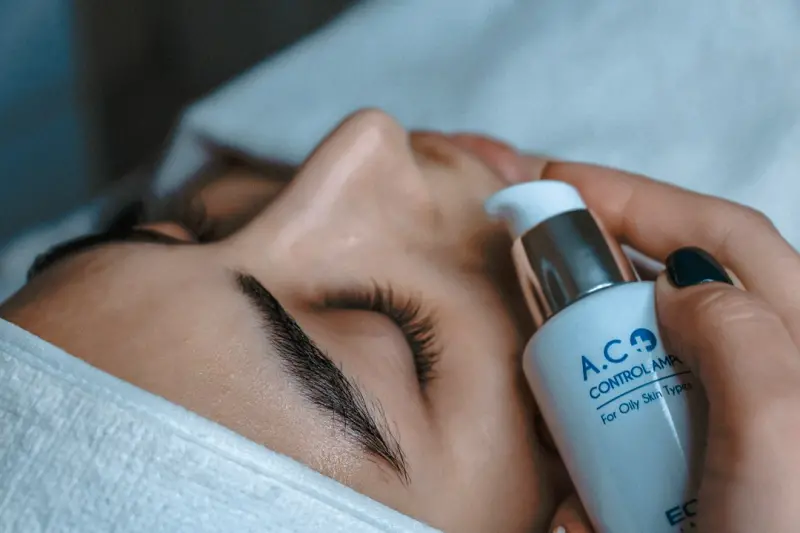
When I first opened a beauty app that claimed to read my skin like a barcode, I was skeptical. The glossy UI, the promise of a perfect routine in three taps, and a selfie that somehow knew my pores better than I did felt like the next big thing—and a potential marketing gimmick. Over the past few months, however, I’ve watched AI‑driven skincare evolve from novelty to a genuine tool that can change how we approach beauty. This isn’t about replacing estheticians or turning every bathroom into a laboratory; it’s about adding a data‑rich layer to the age‑old ritual of caring for our skin.
Why AI Is the New Beauty Mirror
Artificial intelligence isn’t just a buzzword for tech startups; it’s a visual analyst that can process millions of data points in seconds. In the beauty world, that means:
- Pattern recognition: AI can detect subtle discolorations, fine lines, or oil patches that the naked eye often misses.
- Trend mapping: By aggregating anonymized data from thousands of users, AI identifies emerging skin concerns across demographics, seasons, and even climate zones.
- Predictive care: Machine learning models forecast how a specific ingredient will interact with a user’s unique microbiome over weeks or months.
What used to take a dermatologist an hour of examination can now be approximated in a few seconds on a smartphone. That speed is exciting, but it also raises questions about accuracy, ethics, and the human touch we love in beauty rituals.
Beyond the Filter: Real‑World Skin Diagnostics
Most apps start with a selfie. The camera captures lighting, angle, and expression—all variables that can skew results. The most reputable platforms mitigate this by:
- Guiding users through a standardized lighting protocol (e.g., “place your face near a window, no flash”).
- Using multi‑spectral imaging that goes beyond visible light, revealing deeper layers of the epidermis.
- Cross‑referencing results with user‑provided data such as diet, sleep, and stress levels.
When an AI tool combines these inputs, it can suggest whether a user is experiencing barrier disruption, excess sebum, or early signs of hyperpigmentation. The key is transparency—knowing exactly what the algorithm looks at and why it makes a particular recommendation.
Personalized Formulas at Scale
Imagine a world where your night cream is mixed fresh for you, based on a nightly skin analysis. That’s the promise of AI‑powered customization. Companies are leveraging low‑code platforms (Why Low‑Code Is the Secret Weapon for SaaS Innovators) to build modular formulation engines. These engines take a user’s diagnostic data, match it against a database of stable, clinically tested actives, and then generate a bespoke blend.
From a business perspective, this approach solves two pain points:
- Inventory waste: Instead of pre‑producing dozens of SKUs that sit on shelves, manufacturers produce on demand, reducing overstock.
- Consumer confidence: Shoppers feel they’re getting a product that truly matches their needs, not a one‑size‑fits‑all solution.
But personalization isn’t just a novelty; it also forces the industry to be brutally honest about ingredient sourcing and formulation transparency.
Ingredient Transparency in Beauty
We’ve all seen the “clean beauty” badge, but what does “clean” actually mean? The answer is moving toward ingredient transparency—a practice that originated in food and is now reshaping cosmetics. AI platforms excel at this because they can pull from comprehensive ingredient databases, flagging allergens, irritants, or controversial compounds in real time.
When an algorithm labels a serum as “non‑comedogenic” or “free of fragrance,” it’s not just a marketing claim; it’s a data point backed by chemical analysis and user‑reported outcomes. This shift empowers consumers to make decisions based on facts rather than buzzwords, and it pushes brands to clean up their supply chains.
Data Privacy: The Unsung Ingredient
Collecting skin images, health metrics, and lifestyle habits creates a treasure trove of personal data. While the potential for hyper‑personalized care is thrilling, the risk of data misuse is real. A privacy‑first approach for beauty apps means:
- Storing data on encrypted servers that comply with GDPR, CCPA, and other regional regulations.
- Giving users full control over what is shared, with clear opt‑in/opt‑out mechanisms.
- Providing transparent privacy policies that explain how data fuels AI models without selling it to third parties.
When a brand invests in privacy, it builds trust—a currency that is far more valuable than a one‑time sale. In fact, many consumers now rank data security above price when choosing a beauty tech solution.
Secure Plugins and Extensions: A Hidden Threat
Many AI beauty platforms rely on third‑party plugins for image processing, analytics, or payment gateways. Each additional piece of code is a potential vulnerability. The industry is learning from the tech world’s Zero‑Trust Plugin Security model, which assumes every component could be compromised until proven otherwise.
Implementing zero‑trust means:
- Running each plugin in an isolated container.
- Conducting continuous security audits and automated vulnerability scans.
- Requiring multi‑factor authentication for any administrative access.
This security mindset not only protects users’ skin data but also safeguards the brand’s reputation—a single breach can erode years of consumer goodwill.
How to Choose the Right AI Beauty Tool
With a flood of apps promising “AI‑powered glow,” how do you separate the signal from the noise? Here are my criteria, honed from months of testing:
- Scientific backing: Look for peer‑reviewed studies or dermatologist endorsements that validate the algorithm’s claims.
- Transparency dashboard: The app should let you see which data points influence each recommendation.
- Privacy commitment: A clear, concise privacy policy that outlines data handling, retention, and user rights.
- Security posture: Evidence of regular security audits, encrypted data transmission, and a zero‑trust approach to plugins.
- Ingredient clarity: Real‑time labeling of actives, concentrations, and potential irritants, drawing from a transparent ingredient database.
- Customization depth: Does the platform merely suggest existing products, or can it generate a truly bespoke formula?
When a tool ticks most of these boxes, you’re likely looking at a solution that respects both your skin and your data.
The Future: A Symbiotic Relationship Between AI and Human Expertise
AI will never replace the tactile expertise of a seasoned esthetician, but it can augment it. Imagine a future where you walk into a boutique, scan your face with a handheld device, and receive a personalized regimen that the AI has calibrated against thousands of similar skin types. The esthetician then fine‑tunes the plan, adding massage techniques or product layering tips that only a human can provide.
This hybrid model leverages the scalability of algorithms while preserving the empathy, intuition, and artistry that define beauty. It’s a win‑win: brands achieve efficiency, consumers receive precision, and the industry moves toward a more ethical, transparent, and inclusive standard.
In the end, AI in beauty isn’t about creating a perfect, cookie‑cutter complexion; it’s about empowering each individual to understand their unique skin story and make informed choices. If you approach the technology with curiosity, a critical eye, and a demand for privacy, you’ll find that the future of skincare is not a distant sci‑fi fantasy—it’s already in your pocket.

David Moore is a freelance writer specializing in two dynamic and ever-evolving fields: gambling and the tech industry. With a keen eye for detail and a knack for unraveling complex topics, David delivers insightful and engaging content that keeps readers informed and entertained.
Related Posts

The Scent‑First Revolution: How Aroma Shapes Tomorrow’s Beauty Rituals
A deep dive into the emerging power of scent in beauty, exploring how fragrance chemistry creates em... Read More

Beyond the Mirror: How AI and AR Are Redefining Beauty Experiences
A deep dive into the technologies—AI, AR, smart packaging, and community‑driven insight—revolu... Read More

Beyond the Mirror: How AI Is Redefining Beauty Routines
Discover how AI-driven personalization, augmented reality mirrors, and privacy‑first tech are resh... Read More
Top Posts
How Teens Are Turning Social Media into a Storytelling Superpower
Kids aren’t just scrolling—they’re creating vivid, interactive narratives that blend video, augmented reality, and hands‑on kits, turning everyday playt...Read More

12 WordPress SEO Tips for Your High-Ranking Site
In today's digital age, a powerful online presence is no longer a luxury but a necessity for businesses, brands, and individuals alike. WordPress, powering over...Read More
Creative Sprints in the Classroom: A New Playbook for Engaged Learning
A deep dive into how creative sprints turn ordinary lessons into dynamic, fast‑paced projects that spark curiosity, collaboration, and real‑world skills for...Read More

Appliance Subscriptions: The Smart Way to Upgrade Your Home
Explore the rise of appliance subscriptions, a flexible model that offers financial relief, AI‑driven maintenance, and eco‑friendly benefits, reshaping home...Read More
0 Comments
Post Comment
You will need to Login or Register to comment on this post!