
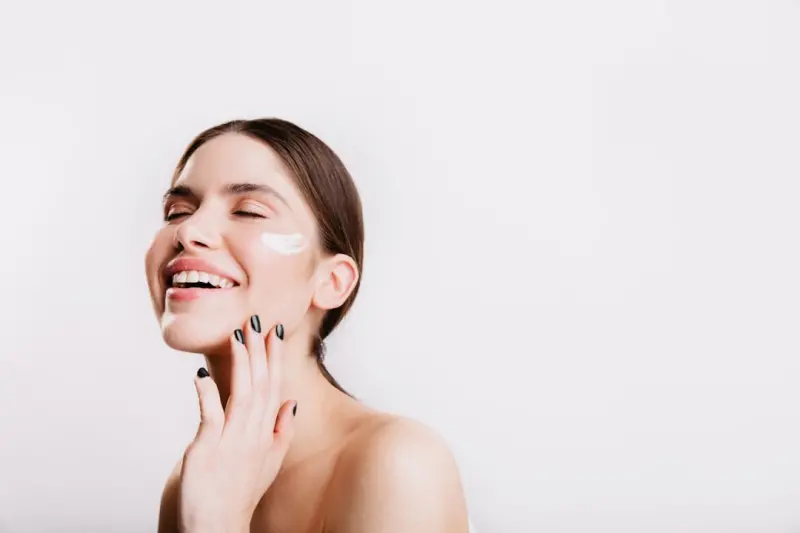
When I first stepped into a boutique that promised “clean, cruelty‑free, and custom‑crafted” lotions, I expected a simple, feel‑good experience. What I got instead was a maze of buzzwords, vague claims, and a scent that reminded me more of a marketing conference than a skincare routine. It struck me then that the beauty world has been living in a paradox: we’re surrounded by data‑driven tech in every other facet of our lives, yet our most personal rituals—what we put on our faces—remain stubbornly anecdotal.
The Missing Data in Your Vanity Drawer
Think about your morning coffee ritual. You probably know the exact grind size, water temperature, and brew time that yields the perfect cup. You might even track how many hours of sleep you got or how stressed you felt that day. Yet, when it comes to selecting a serum, cleanser, or sunscreen, most of us rely on the same old triad: a friend’s recommendation, an influencer’s hype, or the packaging that looks “luxurious.” There’s a glaring data gap, and it’s costing us both confidence and skin health.
Enter the era of data‑driven beauty. From AI‑powered skin analysis apps that map your complexion at the pixel level, to cloud‑based platforms that learn from thousands of users to predict how a product will perform on you, the industry is finally catching up with the precision we demand in other areas of life.
How AI Is Becoming Your Personal Esthetician
At the heart of the data revolution in cosmetics is artificial intelligence. Modern skin‑analysis tools use a combination of high‑resolution imaging, spectroscopy, and machine‑learning algorithms to assess everything from moisture levels to melanin distribution. The result? A detailed skin health report that’s as personalized as a medical diagnosis.
- Real‑time feedback: Snap a selfie, and the app instantly highlights problem areas—think redness, fine lines, or oil‑prone zones.
- Predictive insights: By comparing your data to millions of anonymized profiles, the system can forecast how your skin will respond to environmental changes (humidity, UV exposure, even sleep patterns).
- Product matching: The algorithm cross‑references your profile with an ever‑growing database of ingredients, surfactants, and actives to suggest formulations that address your unique needs.
What makes this truly transformative is the feedback loop. As you log how a product feels, its effect on your skin, and any side‑effects, the AI refines its recommendations for you and for the broader community. It’s a living, breathing ecosystem of knowledge.
Beyond the Mirror: interactive storytelling in Beauty Marketing
Data isn’t just for the back‑end; it’s reshaping how brands communicate with us. Gone are the days of static “before‑and‑after” photos. Today’s campaigns invite consumers to co‑create their own narratives. Brands embed quizzes, AR try‑ons, and immersive videos that let you experiment with shade, texture, and finish—all while feeding anonymized data back to refine their product lines.
For instance, a luxury foundation brand recently launched an AR filter that lets users swipe through 50 undertones, instantly seeing how each matches their skin under different lighting conditions. Each swipe is a data point, feeding a larger model that helps the brand predict seasonal shade trends and even suggests future color launches.
The Role of adaptive learning platforms in Consumer Education
Understanding complex ingredient lists is no small feat. That’s where adaptive learning platforms, originally built for corporate training, are finding a new home. These platforms deliver bite‑sized modules that adjust in real time based on your knowledge gaps. One skincare brand partnered with an adaptive learning provider to create a “Skin Science 101” series. Users who struggled with concepts like “pH balance” received extra visual explanations, while those who breezed through got faster, more advanced content on peptide technology.
The result? Consumers who feel empowered, not overwhelmed, and who are more likely to stick with a product because they understand why it works.
Personalized Formulations: From Shelf to Lab
While AI can recommend existing products, the next frontier is on‑demand formulation. Companies are opening “beauty labs” where, after a digital consultation, a bespoke batch is mixed just for you. This isn’t a gimmick; it’s a response to the growing awareness that one‑size‑fits‑all products often do more harm than good.
Imagine a nightly serum that combines a precise concentration of niacinamide, hyaluronic acid, and a custom blend of botanical extracts based on your skin’s hydration curve over the past month. The formulation is printed via 3D‑compatible mixers, sealed in recyclable packaging, and shipped within 48 hours. It’s the convergence of data, chemistry, and sustainability.
Benefits That Speak for Themselves
Adopting a data‑driven approach isn’t just a tech fad; it translates into tangible outcomes:
- Reduced trial‑and‑error: Consumers spend less on products that don’t suit them, cutting waste and frustration.
- Accelerated results: Targeted actives address specific concerns faster, leading to higher satisfaction and loyalty.
- Transparency: Ingredient sourcing, efficacy studies, and environmental impact become visible in dashboards that anyone can access.
- Inclusivity: By analyzing diverse skin types, brands can close gaps in shade ranges and formulation efficacy for under‑represented groups.
Real‑World Success Stories
One indie brand, after integrating an AI skin‑analysis widget on its website, saw a 30% increase in conversion rates within three months. Customers reported feeling “seen” and “understood,” which translated into repeat purchases and organic word‑of‑mouth referrals.
Another multinational launched a subscription service where each month’s box is curated by an algorithm that learns from your usage patterns, seasonal changes, and even travel itineraries. Subscribers reported a 45% reduction in the number of products they owned, yet felt their skin was healthier than ever.
Future Trends: What’s on the Horizon?
Looking ahead, a few developments are poised to deepen the data‑beauty symbiosis:
- Skin‑wearable sensors: Miniaturized patches that continuously monitor hydration, pH, and sebum production, feeding data to your favorite app.
- Blockchain‑verified ingredient provenance: Consumers can trace every molecule back to its farm, ensuring ethical sourcing and authenticity.
- Neuro‑cosmetics: Products that not only improve skin but also modulate mood through scent‑triggered neurochemical pathways, all calibrated via biometric feedback.
Actionable Steps for the Beauty‑Savvy Consumer
Ready to bring data into your daily routine? Here’s a simple roadmap:
- Start with a baseline scan. Use a reputable AI‑driven app to capture your skin metrics. Save the report for future reference.
- Identify priority concerns. Whether it’s hyperpigmentation, barrier repair, or oil control, rank them based on impact.
- Choose brands that share data. Look for companies that offer ingredient transparency dashboards and personalized recommendations.
- Track your journey. Log product usage, environmental factors, and visible changes. Many apps let you upload photos to visualize progress.
- Iterate. As seasons shift and your skin evolves, revisit the analysis and adjust your routine accordingly.
Remember, the goal isn’t to replace the tactile pleasure of applying a favorite cream; it’s to make that pleasure more purposeful. When your moisturizer is backed by real, quantifiable insights, each drop feels like a tiny victory.
Conclusion: Embrace the Intelligent Glow
The beauty industry is finally waking up to the power of data, and the benefits ripple far beyond the mirror. From AI diagnostics to adaptive education platforms, the tools we once reserved for enterprise software are now in our bathrooms, guiding us toward healthier, more radiant skin. As we blend technology with tradition, the future looks luminous—and it’s personalized just for you.

Armed with a degree in English Literature, Jill’s journey into the digital space wasn't just a career move; it was a natural extension of her lifelong love affair with storytelling. While some writers view search engine optimization (SEO) as a rigid constraint, Jill sees it as a creative puzzle. She understands the delicate art of balancing the algorithmic demands of search engines with the human desire for resonance, emotion, and value. To Jill, keywords aren't just targets to hit; they are the breadcrumbs that lead eager readers straight to the answers they’ve been searching for.
Related Posts

Why Multi‑Functional Beauty Rituals Are the Smart Choice for Busy Professionals
Multi‑functional beauty products streamline routines, offering protection, hydration, and style in... Read More
Why Gel Polish Works So Well for an Active, Stylish Lifestyle
In today’s fast‑paced world, the modern individual balances demanding professional responsibilit... Read More

The Hidden Power of the Skin Microbiome in Modern Beauty
Explore the science behind the skin microbiome, its impact on product formulation, and practical ste... Read More
Top Posts
How To Transform Modern Business Strategy
Embrace a slower pace to boost profitability, employee wellness, and brand loyalty—learn the strategic advantages of slow‑living for modern businesses....Read More

The Evolution of Google SEO: A Comprehensive Guide to Sustainable Digital Strategy
Learn how sustainable living is changing the world of Google SEO and how businesses can adapt their digital strategies to promote environmentally friendly pract...Read More

AI‑Curated Gift Subscriptions: The New Engine for B2B Relationship Growth
AI‑curated gift subscriptions turn ordinary tokens into strategic, data‑driven touchpoints, strengthening B2B SaaS relationships, boosting engagement, and d...Read More

The Impact of Smartphones on Mental Health: A Growing Concern
The impact of smartphones on mental health is a growing concern. Learn how to use smartphones in a healthier way and mitigate the risks of addiction, anxiety, a...Read More
0 Comments
Post Comment
You will need to Login or Register to comment on this post!