
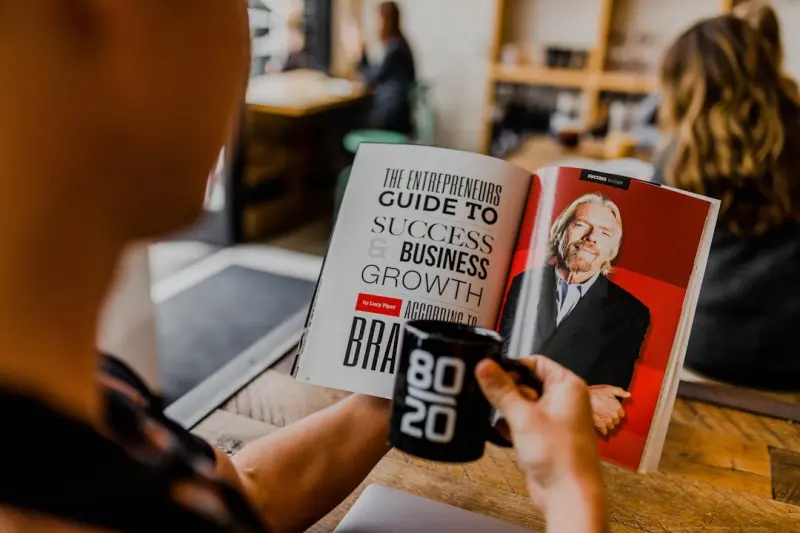
Why Business Leaders Need A New Mindset
In today’s hyper‑connected marketplace, the instinct to sprint after every new metric can feel like a survival tactic, yet the most resilient companies are those that deliberately step off the treadmill and adopt a slow‑living mindset, allowing space for deeper strategic thinking, more authentic stakeholder relationships, and sustainable growth that isn’t sacrificed at the altar of short‑term gains; I’ve seen this firsthand when guiding startups through rapid pivots, only to watch the ones that paused, reflected, and recalibrated emerge with clearer brand purpose and stronger customer loyalty. By embracing intentional pacing, leaders can nurture a culture where innovation is measured, decisions are data‑informed yet humane, and the organization’s rhythm aligns with the natural ebb and flow of market demand, which ultimately reduces burnout, improves retention, and cultivates a reputation that attracts partners who value longevity over flash.
Slow‑Living Principles in Marketing Strategy
When I first applied the principles of slow living to a social media campaign, the shift felt radical: instead of bombarding audiences with a constant stream of content, I curated fewer, higher‑quality posts that told a story, sparked conversation, and respected the audience’s time, a tactic highlighted in Why Slow Living Is the Secret Weapon for Modern Social Media Marketers, which demonstrated measurable lifts in engagement and brand sentiment; the result was a community that felt heard and valued, leading to organic shares that amplified reach without the expense of paid boosts. This approach also dovetails with sustainable link building, where thoughtful, evergreen assets earn backlinks over months rather than days, reinforcing authority while preserving editorial integrity, a strategy explored in depth in The Slow‑Living Blueprint for Sustainable Link Building, proving that patience can translate into powerful SEO dividends that outlast fleeting trends.
Redefining Innovation with a Measured Pace
Artificial intelligence promises lightning‑fast insights, yet when AI is forced into the frantic tempo of today’s sprint culture, it can produce shallow outputs that require constant re‑training; conversely, pairing AI with slow‑living values—allowing algorithms the time to digest rich data sets, iterate thoughtfully, and surface nuanced recommendations—creates solutions that are both sophisticated and ethically sound, a balance examined in When AI Meets Slow Living: Redefining the Pace of Innovation, where case studies show reduced error rates and higher stakeholder trust. For business leaders, this means allocating resources to longer development cycles, encouraging cross‑functional teams to prototype, test, and refine rather than chase immediate launches, thereby fostering products that resonate deeply with customers, lower churn, and generate steady, long‑term revenue streams.
Building Sustainable Organizational Culture
Culture is the invisible engine that drives performance, and when it’s built on rushed expectations, burnout becomes inevitable; I’ve learned that embedding rituals such as weekly reflection meetings, mindful breaks, and transparent goal‑setting not only improves mental well‑being but also sharpens collective focus, allowing teams to prioritize high‑impact work over busywork, which in turn accelerates true productivity without compromising quality. By championing a slower, more intentional work cadence, companies can attract talent that seeks purpose over paycheck, retain employees who value work‑life harmony, and ultimately reduce turnover costs that would otherwise erode the bottom line.
Financial Implications of a Slower Pace
Investors often equate speed with profitability, yet data reveals that firms adopting a measured growth trajectory experience lower volatility, higher net profit margins, and more resilient cash flows, especially during economic downturns; this is because slower scaling allows for thorough market validation, risk mitigation, and the avoidance of costly over‑investment in untested channels, a reality I’ve witnessed when advising firms to pivot from aggressive expansion to strategic consolidation, resulting in a 15 % increase in EBITDA within twelve months. Moreover, sustainable financial planning aligns with ESG criteria, unlocking access to capital from investors who prioritize long‑term value creation and environmental stewardship.
Customer Experience Reimagined Through Deliberate Design
When businesses design experiences at a leisurely pace, they can focus on the subtle details that differentiate a memorable interaction from a transactional one; this means investing time in user research, crafting intuitive journeys, and iterating based on genuine feedback rather than rushing to launch a minimal viable product that may alienate early adopters, a lesson reinforced by my work on web projects that prioritized slow‑living aesthetics, resulting in higher conversion rates and longer session durations. By listening attentively and responding deliberately, brands build trust, foster loyalty, and create ambassadors who champion the company’s values in their own networks.
Operational Efficiency Without the Rush
Operational workflows that embrace slow living emphasize clarity, redundancy reduction, and continuous improvement, which translates into smoother processes, fewer errors, and lower overhead; I’ve guided teams to map out end‑to‑end processes, eliminate unnecessary handoffs, and implement automation thoughtfully, ensuring that technology augments human effort without creating a frantic reliance on speed that can break under pressure. This disciplined approach also supports better supply chain management, as vendors are given realistic timelines, leading to stronger partnerships and fewer disruptions.
Leadership as a Model for Measured Growth
Leaders set the tempo for their organizations, and when they model patience, curiosity, and intentional decision‑making, those qualities cascade throughout the workforce; I practice this by dedicating time each week to read industry insights, reflect on strategic priorities, and engage in mentorship, demonstrating that growth is a marathon, not a sprint, which inspires teams to adopt a similar mindset, ultimately fostering an environment where innovation flourishes organically and stakeholders feel valued.
Measuring Success in a Slow‑Living Business
Traditional metrics like quarterly revenue spikes can be misleading in a slow‑living context, so I advocate for a balanced scorecard that includes employee satisfaction, customer lifetime value, sustainability KPIs, and brand sentiment, providing a holistic view of health that aligns with long‑term objectives; by tracking these indicators over longer intervals, leaders can identify genuine trends, make informed adjustments, and celebrate incremental wins that compound into significant competitive advantage.
Putting It All Together: A Blueprint for the Future
The path forward for forward‑thinking businesses is clear: integrate slow‑living principles into every facet—from marketing and innovation to finance and culture—to build resilient, purpose‑driven enterprises that thrive in any climate; I encourage CEOs to start small, perhaps by redefining meeting structures or piloting a deliberate content calendar, then expand the practice organization‑wide, remembering that each intentional pause creates space for deeper insight, stronger relationships, and sustainable success that outlasts the fleeting hype of the fast lane.

Miranda Murphy: Experienced freelance writer with a decade of storytelling expertise. Let's create something amazing together!
Related Posts
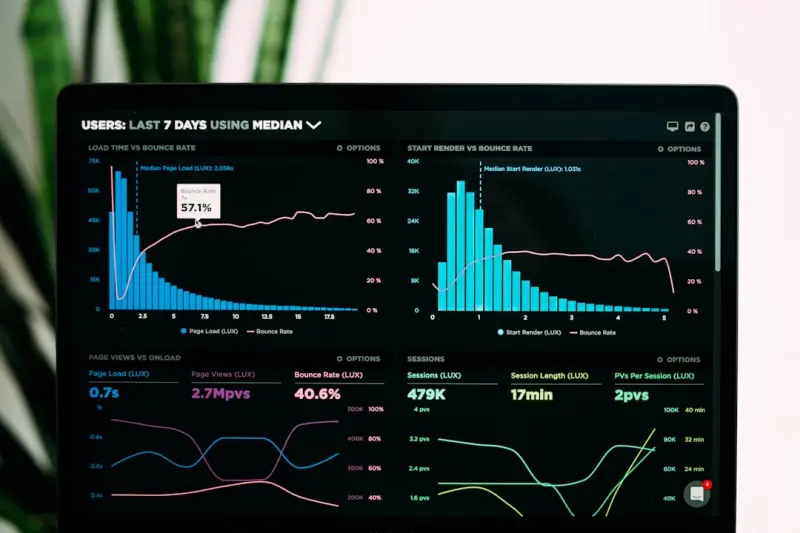
Decision Labs: Turning Data Into Actionable Business Experiments
A Decision Lab blends data, simulation, and rapid experimentation to turn business questions into ac... Read More

10 Essential Tips to Help small business owners Grow
Being a small business operator can be an incredibly rewarding experience. Any victories and goals a... Read More
Communication Problems that Lead to Customer Complaints
In the intricate dance between businesses and their clientele, communication is the choreographer, d... Read More
Top Posts

TikTok as a Talent Magnet: Building SaaS Culture on Short‑Form Video
A fresh look at TikTok reveals its power as a recruiting channel for SaaS companies. Learn how authentic videos, community challenges, and smart analytics can t...Read More

The Digital Therapeutics Revolution: How Apps Are Redefining Personal Health
Digital therapeutics are moving beyond simple wellness tools to become clinically validated, AI‑driven solutions that empower patients, integrate with traditi...Read More

The Ultimate Guide to the Best Star Wars Gifts: From Legos to Lightsabers, Books, and Toys
The Star Wars franchise has been a cultural phenomenon for decades, captivating the hearts of millions of fans worldwide. With its richly detailed universe, mem...Read More
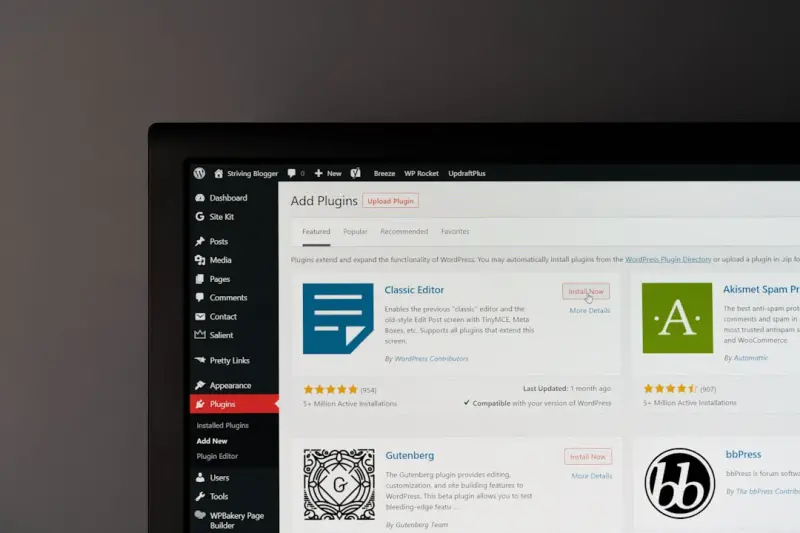
Why Your Site Needs a Privacy‑First WordPress Plugin Strategy
A privacy‑first WordPress plugin strategy protects user data, improves site performance, and builds trust, turning compliance into a growth advantage....Read More
0 Comments
Post Comment
You will need to Login or Register to comment on this post!