
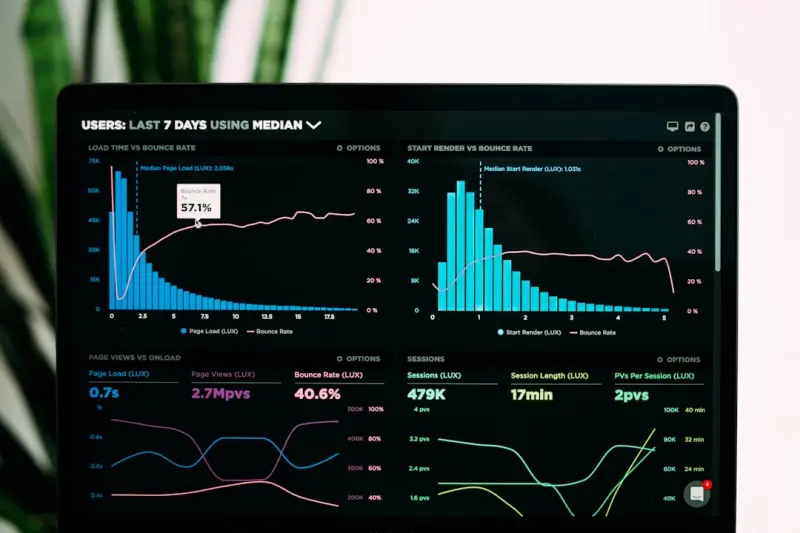
Why Your Business Needs a Decision‑Lab Mindset
When I first stepped into a boardroom armed with a spreadsheet and a gut feeling, I thought I was doing everything right. Fast‑forward a few years, and I’ve learned that raw data alone doesn’t move a company forward; the real magic happens when you turn that data into experiments that can be tested, iterated, and scaled. This is the essence of a Decision‑Lab mindset—a systematic approach that blends analytics, simulation, and rapid prototyping to answer the “what‑if” questions that keep executives up at night.
The Evolution from Dashboard to Decision Lab
Traditional business intelligence dashboards are fantastic for reporting the past. They tell you what happened, how much, and where the variance lies. But they rarely give you a clear path forward. A Decision Lab, by contrast, is an active environment where you can model scenarios, run “what‑if” tests, and observe outcomes before you commit resources.
Think of it as a scientific laboratory for strategy: you set up hypotheses, control variables, and measure results—all in a digital sandbox that mirrors your real‑world operations.
Core Pillars of a Decision Lab
- Data Integration: Pull together CRM, ERP, IoT, and third‑party sources into a unified lake.
- Simulation Engine: Use AI‑driven models to recreate market dynamics, supply chain flows, or customer journeys.
- Rapid Experimentation: Deploy low‑cost pilots or digital twins to test assumptions.
- Collaborative Insight Loop: Bring together product, finance, marketing, and ops in a shared workspace to iterate on findings.
How Edge‑Centric Multi‑Cloud Makes Real‑Time Experiments Feasible
One of the biggest roadblocks to a functional Decision Lab is latency. When you’re trying to simulate a supply chain that spans continents, every millisecond counts. That’s where edge‑centric multi‑cloud hosting shines. By distributing compute power closer to the data source, you can run high‑fidelity simulations in near real‑time, allowing teams to iterate faster than ever before.
In practice, this means you can model a surge in demand for a product in Southeast Asia, see how your warehouses would respond, and tweak inventory allocations—all while your global team watches the results update on a shared dashboard.
The Human Element: Building a Culture of Experimentation
A Decision Lab is as much about people as it is about technology. Teams need to feel safe to propose bold hypotheses, even if they might fail. This cultural shift mirrors the principles behind micro‑communities—small, purpose‑driven groups that collaborate intensely and share knowledge quickly.
When you empower a micro‑community within your organization—say, a cross‑functional squad focused on pricing strategy—they become the engine that fuels continuous learning. They can run pricing simulations, observe consumer response, and feed insights back to the broader organization in a rapid loop.
Practical Steps to Launch Your Decision Lab
- Identify High‑Impact Questions: Start with the strategic challenges that have the biggest revenue or cost implications.
- Secure a Data Foundation: Consolidate clean, real‑time data streams; invest in data governance to ensure accuracy.
- Select the Right Tools: Look for platforms that support simulation, scenario planning, and collaborative workspaces.
- Start Small, Scale Fast: Pilot the lab with one business unit—perhaps sales forecasting—and expand once you demonstrate ROI.
- Measure Success: Define KPIs such as time‑to‑decision, experiment conversion rate, and impact on profit margins.
Real‑World Example: A SaaS Company Reduces Churn by 15%
One of our SaaS partners was battling churn spikes after a pricing change. Using a Decision Lab, they integrated usage data, support tickets, and NPS scores into a simulation model. By testing different discount tiers and feature bundles in the lab, they identified a sweet spot that improved perceived value without sacrificing revenue.
The result? A controlled rollout of the optimized pricing structure reduced churn by 15% within three months, and the approach was later applied to product roadmap decisions, cutting time‑to‑market by 30%.
Overcoming Common Pitfalls
Data Silos – If your data lives in isolated islands, the lab will produce garbage in, garbage out. Break down those silos early.
Over‑Engineering – Resist the urge to build a perfect simulation before you have a hypothesis. Start simple and iterate.
Analysis Paralysis – Decision Labs generate a lot of insights. Set clear decision gates to keep momentum.
The Future: Integrating Generative AI into Decision Labs
While we’re still early in the journey, generative AI promises to automate the hypothesis‑generation phase. Imagine an AI that scans market trends, competitor moves, and internal performance data, then suggests three plausible strategic scenarios for your team to test. This synergy could shave weeks off the planning cycle.
Key Takeaways
- Shift from static reporting to dynamic experimentation.
- Leverage edge‑centric multi‑cloud to enable real‑time simulations.
- Cultivate micro‑communities that act as the lab’s engine.
- Start small, measure rigorously, and scale responsibly.
Ready to Build Your Decision Lab?
If you’ve been relying on intuition and historical reports alone, it’s time to upgrade your strategic toolkit. Embrace the Decision‑Lab mindset, empower cross‑functional micro‑communities, and harness the power of edge‑centric multi‑cloud to turn data into decisive action.
In my next post, I’ll dive deeper into the tech stack that powers these labs and share a checklist for evaluating vendors. Until then, start asking the right “what‑if” questions—and watch your organization evolve from reactive to proactive.

Karen Edwards is a seasoned freelance writer with a passion for all things furry, feathered, and scaled. With a dedicated focus on pets, she brings a wealth of knowledge and a keen eye for detail to her writing.
Related Posts
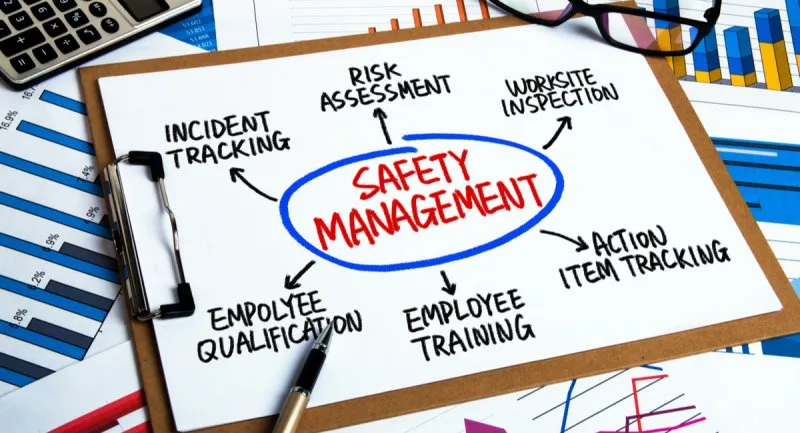
Workplace Safety Management: Guidelines, Compliance, and the Modern Imperative
Workplace safety is not merely a regulatory requirement; it is a fundamental ethical obligation and ... Read More

Ethical Data: The New Competitive Edge
This article explains why treating data ethically is no longer a compliance issue but a strategic ad... Read More

The Business Case for Living: Why Patience Beats Speed
Explore why embracing slow‑living strategies can transform business performance, from smarter inve... Read More
Top Posts

Why Edge‑First Hosting Is the Next Competitive Edge for SaaS
Edge‑first hosting pushes compute to the network edge, delivering ultra‑low latency, regional compliance, and elastic costs—transforming how SaaS teams bu...Read More

The Art of Preservation: Mastering Winter Storage for Your Lawnmower
As the vibrant greens of summer yield to the muted hues of autumn, and the rhythmic hum of your lawnmower gradually fades, a crucial seasonal transition present...Read More

Why Do New York Businesses Drop in Search Engine Results Rankings?
New York City – a relentless, vibrant, and fiercely competitive urban jungle. For businesses, from the corner deli in Brooklyn to the high-rise financial cons...Read More

The Best Leak Detectors That Every Home Should Have: Stop Water Damage in Its Tracks
Water damage is one of the most insidious threats to homeowners, often hiding in plain sight until it’s too late. A minor leak from a pipe, faucet, or applian...Read More
0 Comments
Post Comment
You will need to Login or Register to comment on this post!