

Why Digital Therapeutics Are the Next Frontier in Personal Health
When I first started tracking my own sleep, I never imagined that a handful of pixels on my phone could become a trusted advisor for my well‑being. The pandemic accelerated a massive shift: people who once relied on in‑person appointments are now turning to apps, wearables, and AI‑driven platforms for everything from anxiety management to chronic disease monitoring. This isn’t a fleeting trend; it’s a structural transformation in how we define and access health care.
The Evolution from “Health Apps” to “Digital Therapeutics”
At first glance, a meditation timer or a calorie counter feels harmless—a convenience, not a medical intervention. However, regulators worldwide are drawing a line between simple wellness tools and digital therapeutics (DTx), software that delivers evidence‑based therapeutic interventions to prevent, manage, or treat medical conditions. The difference lies in the rigor:
- Clinical validation: DTx products undergo randomized controlled trials similar to pharmaceuticals.
- Regulatory oversight: In many regions, they require clearance from bodies such as the FDA or EMA.
- Prescription pathways: Some are prescribed by physicians, reimbursed by insurers, and integrated into treatment plans.
For patients, the benefit is clear: a prescription you can download, an intervention you can personalize, and data you can own.
Key Drivers Fueling the Surge
Three forces are converging to push digital therapeutics into the mainstream:
- Data ubiquity: Wearables, smart rings, and even smart textiles collect heart‑rate variability, blood‑oxygen levels, and sleep stages in real time. The richness of this data creates a fertile ground for predictive algorithms.
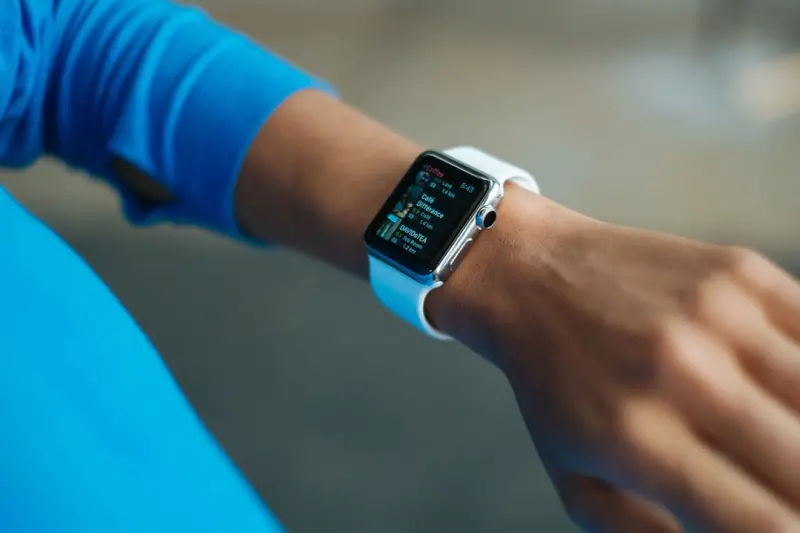
- AI breakthroughs: Machine learning models can now detect subtle patterns—like the early signs of atrial fibrillation—from noisy consumer‑grade sensors. The same technology that powers gaming consoles is being repurposed for health, blurring the line between entertainment and medicine. For a glimpse of AI’s cross‑domain power, see AI-powered health wearables.
- Consumer empowerment: People demand convenience and agency. The stigma around mental‑health apps has faded, and users expect the same seamless experience they get from streaming services.
How Digital Therapeutics Are Changing Specific Conditions
Chronic Pain Management
Traditional pain relief often involves opioids, with all the attendant risks. Emerging DTx platforms deliver cognitive‑behavioral therapy (CBT) modules, guided mindfulness, and biofeedback directly to a patient’s phone. Studies show a 30‑40% reduction in pain scores after eight weeks of consistent use, with a dramatically lower side‑effect profile.
Diabetes & Metabolic Health
Beyond simple glucose logging, next‑generation DTx combine continuous glucose monitor (CGM) data with AI to predict hyper‑ or hypoglycemic events before they happen. Real‑time alerts prompt users to adjust insulin or food intake, turning reactive care into proactive management.
Mental Health & Stress Resilience
Therapists are prescribing digital CBT programs that adapt based on user responses. These platforms employ natural‑language processing to gauge sentiment, offering tailored coping strategies. The result? Higher adherence rates than traditional “homework” assignments, because the experience feels conversational rather than clinical.
Respiratory Conditions
Asthma patients can now log inhaler usage, environmental triggers, and symptom severity in a single app. Integrated with local air‑quality APIs, the platform predicts flare‑ups and nudges users to pre‑emptively adjust medication, reducing emergency department visits.
The Role of Community in Digital Therapeutics
Human connection is a core therapeutic ingredient, even in a digital format. Platforms that foster peer support—moderated forums, group challenges, or shared progress dashboards—have higher engagement metrics. This mirrors the dynamics seen in email newsletters that turn inboxes into community‑driven health support. When users feel they’re part of a movement rather than isolated participants, adherence improves dramatically.
Privacy, Data Ownership, and Trust
Health data is the most sensitive personal information we generate. The rise of DTx forces a reckoning: Who owns the data? How is it secured? The industry is responding with two complementary strategies:
- Zero‑knowledge architectures: Data is encrypted on the device, and only anonymized insights are shared with clinicians.
- Transparent consent flows: Users can toggle granular permissions—e.g., share sleep data with a therapist but keep heart‑rate metrics private.
When patients see that their privacy is respected, trust in digital interventions deepens, accelerating adoption.
Integrating Digital Therapeutics Into Traditional Care
Physicians are no longer just prescribers of pills; they are becoming curators of digital experiences. Integration pathways include:
- Electronic Health Record (EHR) plug‑ins: DTx data streams directly into a patient’s chart, allowing clinicians to monitor progress without manual entry.
- Reimbursement models: Insurers are beginning to code DTx treatments under existing therapy categories, making them reimbursable.
- Co‑design workshops: Health systems invite patients, clinicians, and developers to shape the user journey, ensuring clinical relevance and usability.
Barriers to Widespread Adoption
Despite the promise, several hurdles remain:
- Digital literacy gaps: Older adults or low‑income populations may lack the skills or devices needed to engage fully.
- Regulatory inconsistency: While the U.S. FDA has a clear pathway, other regions lag, creating market fragmentation.
- Evidence inertia: Not all DTx products have robust clinical trials. Healthcare providers need a reliable evidence hierarchy to make prescribing decisions.
Addressing these challenges will require coordinated effort among policymakers, tech firms, and the health community.
Future Outlook: From Reactive Apps to Predictive Health Ecosystems
Imagine a world where your smartwatch detects a subtle shift in heart‑rate variability, flags a potential anxiety episode, and automatically enrolls you in a short, evidence‑based CBT module—no manual input required. That future is nearer than you think.
Key technologies on the horizon include:
- Federated learning: Models train on device data without transmitting raw information, preserving privacy while improving algorithmic accuracy.
- Digital twin simulations: A virtual replica of your physiology that predicts how lifestyle changes will impact disease risk, allowing truly personalized interventions.
- Interoperable ecosystems: Standards like FHIR (Fast Healthcare Interoperability Resources) will enable seamless data flow between DTx, EHRs, and traditional devices.
Practical Steps for Individuals Ready to Dive In
- Identify a health goal: Whether it’s better sleep, reduced anxiety, or blood‑sugar control, start with a clear objective.
- Research validated DTx: Look for products with FDA clearance or CE marking and read peer‑reviewed studies supporting their efficacy.
- Consult your provider: Share the app’s name and data insights; a collaborative approach ensures safety and optimal outcomes.
- Set realistic expectations: Digital therapeutics complement, not replace, traditional care. Expect gradual progress, not overnight miracles.
- Monitor and adjust: Use the built‑in analytics dashboards to track trends and discuss findings with your healthcare team.
Closing Thoughts: A Health Revolution in Your Pocket
Digital therapeutics are redefining what it means to receive care. By merging rigorous science, real‑time data, and user‑centric design, they empower individuals to become active participants in their own health journeys. As the ecosystem matures, the line between “app” and “prescription” will blur, delivering truly personalized, evidence‑based treatment at the tap of a screen. The question isn’t whether digital therapeutics will arrive—it’s how quickly we’ll embrace them.

Armed with a degree in English Literature, Jill’s journey into the digital space wasn't just a career move; it was a natural extension of her lifelong love affair with storytelling. While some writers view search engine optimization (SEO) as a rigid constraint, Jill sees it as a creative puzzle. She understands the delicate art of balancing the algorithmic demands of search engines with the human desire for resonance, emotion, and value. To Jill, keywords aren't just targets to hit; they are the breadcrumbs that lead eager readers straight to the answers they’ve been searching for.
Related Posts

What Happens to Your Blood Pressure When You Drink Coffee Every Day?
Coffee, the beloved morning ritual for millions, is more than just a pick-me-up; it's a complex brew... Read More
Biofeedback Wearables: Turning Continuous Data Into Real‑Time Health Action
Biofeedback wearables transform raw physiological data into instant, actionable insights, enabling p... Read More

Gut Feeling: Leveraging Microbiome Science to Boost Remote Work Performance
Explore how nurturing your gut microbiome can sharpen focus, lift energy, and improve resilience for... Read More
Top Posts

Navigating the Digital Playground: A Modern Guide to Online Safety
In a hyper‑connected world, staying safe online demands savvy habits, reliable tools, and a proactive mindset. Learn how to shield yourself and your kids whil...Read More

Adobe Wants You to Use AI to Stop Poorly Photoshopping Images
For decades, the name "Photoshop" has been synonymous with image manipulation. It’s a verb, a noun, and for many, the ultimate tool for perfecting visual medi...Read More

The Smart Pet Revolution: How Tech Is Redefining Care for Our Furry Friends
A deep dive into the emerging world of pet technology, highlighting wearables, smart feeders, eco‑friendly gadgets, and privacy‑first practices that transfo...Read More

Financial Freedom for Creatives: A Flexible Budget Blueprint
Learn how freelancers can break free from rigid budgets with cash‑flow sprints, micro‑investing, AI assistance, and community credit circles, turning financ...Read More
0 Comments
Post Comment
You will need to Login or Register to comment on this post!