

Why the Skin Microbiome Is the Unsung Hero of Today’s Beauty Rituals
When I first stepped into the world of cosmetics, the conversation was all about pigments, textures, and the latest “glow‑boosting” actives. Fast forward a few years, and the buzz has shifted to something far more intimate: the trillions of microscopic organisms that call our skin home. This isn’t a fleeting fad; it’s a paradigm shift that’s rewriting how brands formulate, market, and even package their products. In this deep dive, I’ll unpack what the skin microbiome really is, why it matters more than ever, and how you can harness its power without getting lost in the hype.
The Microbiome 101: More Than Just “Good Bacteria”
Most of us have heard of the gut microbiome and its link to digestion and immunity. The skin microbiome operates on a similar principle, but with its own set of rules. It’s a complex ecosystem of bacteria, fungi, viruses, and mites that lives on the outermost layer of our skin, the stratum corneum. Far from being passive passengers, these microorganisms actively communicate with our skin cells, modulating inflammation, barrier function, and even the synthesis of natural moisturizers.
Think of your skin as a bustling city. The microbiome is the diverse population that maintains the infrastructure, keeps the streets clean, and ensures the power grid (your skin barrier) runs smoothly. Disrupt that balance—through harsh cleansers, over‑exfoliation, or environmental stressors—and you invite chaos: redness, breakouts, and accelerated aging.
From “Clean Beauty” to “Micro‑Balanced Beauty”
For years, the beauty industry chased the term “clean” as a marketing shorthand for non‑toxic ingredients. While important, “clean” often ignores a crucial component: the living ecosystem on our skin. The next logical step is “micro‑balanced”—a formulation philosophy that respects and nurtures the microbiome.
Brands pioneering this approach are swapping harsh surfactants for mild, microbiome‑friendly cleansers, incorporating pre‑biotics (food for beneficial microbes) and post‑biotics (metabolic by‑products that can soothe and fortify the skin). The goal isn’t just to avoid damage; it’s to actively promote a thriving microbial community that supports radiance from the inside out.
Ingredient Transparency: The Bedrock of Trust
Consumers are demanding more than glossy packaging; they want to know exactly what’s inside the bottle and how each component interacts with their skin’s ecosystem. This push for ingredient transparency is reshaping product development cycles. Companies now publish detailed microbial impact assessments alongside their INCI lists, allowing savvy shoppers to make informed decisions.
Transparency also drives innovation. When formulators understand the microbial implications of each ingredient, they can experiment with novel actives—like fermented botanical extracts that deliver post‑biotic benefits or lipid‑rich oils that reinforce the skin’s protective barrier without feeding pathogenic microbes.
The Role of Technology: Data, Privacy, and Personalization
Advancements in DNA sequencing have made it possible to map an individual’s skin microbiome with a simple swab. This data opens the door to hyper‑personalized skincare regimens, where products are tailored to the unique microbial profile of each user.
But with great data comes great responsibility. Brands venturing into microbiome‑based personalization must prioritize user privacy. Implementing privacy‑first hosting solutions ensures that sensitive genetic information stays secure and compliant with emerging regulations.
Moreover, the integration of secure APIs and secure extensions can protect the data pipeline, building consumer trust while delivering truly customized experiences.
Packaging That Respects the Microbiome
Even the container can influence the microbiome’s health. Airless pumps, opaque bottles, and eco‑friendly materials reduce exposure to oxygen and light—both of which can degrade delicate post‑biotic ingredients. Additionally, packaging that minimizes plastic waste aligns with the broader sustainability narrative, appealing to the eco‑conscious shopper who also cares about the microscopic world on their skin.
Some innovators are experimenting with biodegradable sachets infused with pre‑biotic powders, allowing users to mix a fresh, micro‑friendly serum at the point of use. This not only extends shelf life but also guarantees potency right up to the moment of application.
Case Study: A Micro‑Balanced Launch That Won’t Fade Away
One boutique brand recently rolled out a “Micro‑Harmony” line, featuring a cleanser, serum, and moisturizer. Each product contains a blend of pre‑biotic fibers, fermented botanical extracts, and a proprietary post‑biotic peptide complex. The brand’s marketing highlighted three core promises: reinforce barrier integrity, reduce inflammation, and enhance natural radiance.
What set this launch apart was its scientific rigor. The brand partnered with a university lab to conduct a double‑blind, placebo‑controlled study, measuring changes in microbial diversity, skin pH, and hydration over a six‑week period. Results showed a statistically significant increase in beneficial Staphylococcus epidermidis populations and a 30% reduction in transepidermal water loss.
Consumers responded positively, praising the visible glow and the “feeling of balance” that traditional products never delivered. Importantly, the brand’s transparent communication of study data—and its commitment to privacy‑first handling of participant information—earned it a loyal following that extended beyond the initial product launch.
Practical Tips: Building a Micro‑Friendly Routine
- Start with a gentle, pH‑balanced cleanser. Look for formulas that contain pre‑biotic sugars or mild surfactants derived from natural sources.
- Incorporate a post‑biotic serum. These are often derived from fermented ingredients and can provide anti‑inflammatory benefits without introducing live bacteria.
- Moisturize with barrier‑supporting lipids. Ceramides, phytosterols, and plant‑derived squalane help seal in moisture and create a hospitable environment for good microbes.
- Limit over‑exfoliation. Excessive physical or chemical exfoliation can strip away the protective biofilm, leaving the microbiome vulnerable.
- Choose packaging wisely. Airless pumps and opaque containers protect sensitive actives and reduce the need for preservatives that might harm beneficial microbes.
The Future Landscape: Where Do We Go From Here?
As research continues to unravel the complex dialogue between skin cells and microbes, we’ll likely see a wave of new actives that speak directly to this conversation. Imagine “micro‑signal” molecules that trigger the skin to produce its own antimicrobial peptides, or “smart” delivery systems that release pre‑biotics only when the skin’s pH shifts.
Regulatory bodies are also catching up. Expect clearer guidelines around labeling claims related to the microbiome, similar to what we’ve seen in the dietary supplement space. Brands that proactively adopt transparent, evidence‑based claims will gain a competitive edge in a market that’s becoming increasingly skeptical of vague “science‑backed” promises.
Lastly, the convergence of beauty and health tech will blur the lines between skincare and wellness. Wearable sensors that monitor skin hydration, temperature, and even microbial activity could feed real‑time data to a mobile app, adjusting product recommendations on the fly. The key will be maintaining a balance between personalization and privacy, ensuring that consumers feel empowered rather than surveilled.
Takeaway: The Microbiome Isn’t a Trend—It’s a Foundation
In an industry saturated with buzzwords, the skin microbiome stands out as a scientifically grounded pillar that can elevate product efficacy, consumer trust, and brand differentiation. By embracing transparency, investing in secure data practices, and formulating with microbial harmony in mind, beauty brands can unlock a new era of skin health that feels as natural as the microbes themselves.

Paul Flynn is a versatile freelance writer equipped with a diverse skillset and a portfolio that reflects his wide-ranging interests and expertise. From crafting compelling website copy and engaging blog posts to delivering in-depth articles and meticulously researched reports, Flynn demonstrates a remarkable ability to adapt his writing style to suit various audiences and purposes.
Related Posts
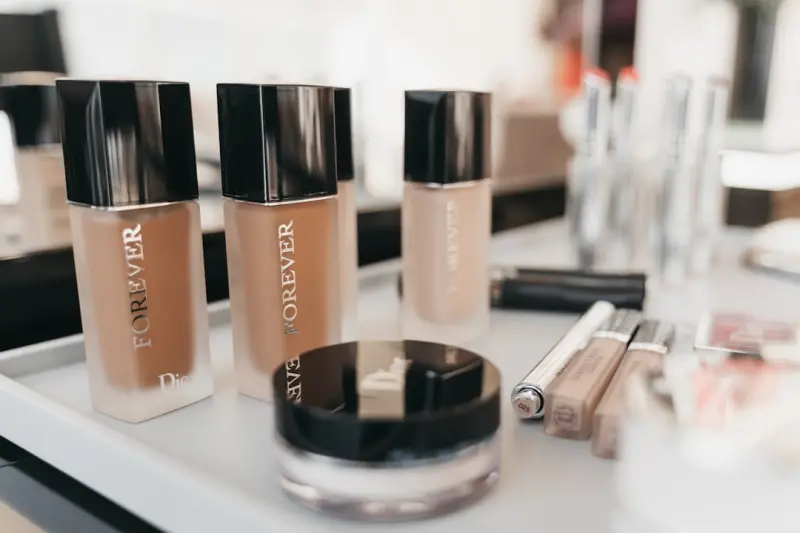
Skin‑First Beauty: Building a Flawless Base Without Masking Your Glow
Learn how to nurture your skin barrier, choose transparent ingredients, and layer products for a rad... Read More

Beyond the Mirror: How AI and AR Are Redefining Beauty Experiences
A deep dive into the technologies—AI, AR, smart packaging, and community‑driven insight—revolu... Read More

Beyond the Label: Decoding Ingredient Transparency in Modern Beauty
Ingredient transparency has shifted from a niche buzzword to a decisive purchase factor, reshaping p... Read More
Top Posts

When SaaS Turns Into a Scam: Spotting Dark Patterns and Hidden Fees
A deep dive into the tactics scammers use in SaaS—dark UI tricks, subscription fatigue, and data‑leverage extortion—and practical steps to safeguard your ...Read More
Scent as Strategy: Leveraging Fragrance to Boost Focus, Mood, and Brand Loyalty
Fragrance isn’t just an accessory—it’s a powerful brain hack. Discover how scent shapes focus, emotion, and consumer loyalty, and get practical tips to em...Read More

When the Office Disappears: Reclaiming Mental Space in a Hyper‑Connected World
Explore why constant connectivity erodes mental bandwidth and discover actionable strategies—from personal habits to company policies—that help rebuild ment...Read More
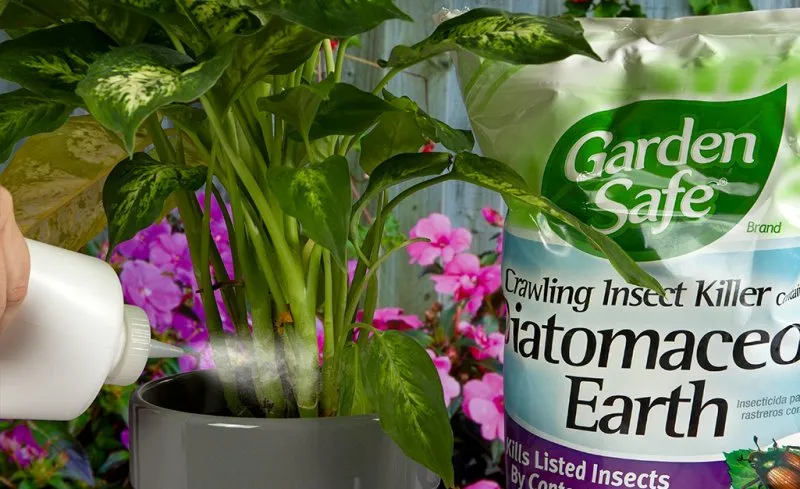
Battling the Summer Bug Blitz: How to Pest-Proof Your Home and Garden
Summer. The word conjures up images of sunshine, blooming gardens, and lazy afternoons spent outdoors. But it also heralds the arrival of unwelcome guests: pest...Read More
0 Comments
Post Comment
You will need to Login or Register to comment on this post!