

When I first stepped into a corporate training room, the scent of stale coffee and a sea of PowerPoint slides greeted me. Fast‑forward a few years, and I’m still in that room—only now the slides are replaced by dashboards that morph in real time, and the coffee is replaced by data‑driven insights that tell us exactly which skill gaps need filling, when, and for whom. This transformation isn’t a fleeting trend; it’s a structural shift driven by adaptive learning platforms that blend analytics, AI, and human‑centered design to make upskilling as fluid as the markets we serve.
Why Traditional Training Is Stuck in the Past
Conventional corporate training often follows a “one‑size‑fits‑all” script:
- Static curricula that assume every learner starts from the same baseline.
- Periodic workshops that happen quarterly, regardless of business urgency.
- Assessment after the fact, leaving managers guessing about ROI for weeks or months.
These approaches create a paradox: organizations invest heavily in learning, yet the measurable impact on performance remains murky. The root cause is a lack of real‑time feedback loops. When a sales rep struggles with a new CRM feature, the training program doesn’t notice until the next quarterly review, by which time the missed opportunity is already gone.
The Data Engine Behind Adaptive Learning
Adaptive platforms flip this model on its head by embedding a continuous data engine into every learning interaction. Here’s how the engine works:
- Micro‑interaction tracking: Each click, video pause, quiz attempt, and even the time spent on a slide is captured.
- Skill graph mapping: Learners are plotted against a dynamic skill graph that updates as they demonstrate mastery or struggle.
- Predictive analytics: Machine‑learning models forecast the next optimal content piece, much like a recommendation engine on a streaming service.
- Instant feedback loops: Managers receive dashboards that highlight emerging gaps, enabling rapid intervention.
What makes this engine truly powerful is its ability to machine learning's impact on educational content. The same algorithms that optimize microcopy for SEO can analyze language patterns in learner responses, identifying misconceptions before they solidify. By treating learning data as a living organism, organizations can pivot training strategies with the same agility they use for product development.
Personalization at Scale: The Role of Semantic Clustering
One of the biggest challenges in scaling personalized learning is avoiding the “curse of dimensionality”—the problem of having so many variables that patterns become invisible. Enter semantic clustering, a technique originally championed in semantic clustering for personalized curricula. By grouping content and learner responses based on underlying meaning rather than surface keywords, platforms can surface the right lesson at the right moment.
Imagine a product manager learning about “feature prioritization.” Traditional LMS might dump a generic module on roadmaps. Semantic clustering, however, recognizes that this manager’s recent queries revolve around “customer feedback loops” and “A/B testing.” The platform then surfaces a targeted case study on data‑driven prioritization, followed by an interactive scenario that mirrors the manager’s actual product pipeline.
This depth of personalization isn’t just a nicety; it drives measurable outcomes:
- Retention boost: Learners who receive content aligned with their immediate context retain 30% more knowledge.
- Speed to competency: Adaptive paths reduce time‑to‑proficiency by up to 40% compared to static courses.
- Engagement lift: Relevancy scores climb, leading to higher completion rates and lower dropout.
Building a Culture That Embraces Adaptive Learning
Technology alone won’t rewrite the learning playbook. Organizations must cultivate a culture that sees continuous development as a core value:
- Leadership endorsement: Executives should publicly champion learning dashboards, using them in quarterly reviews.
- Peer‑to‑peer knowledge sharing: Adaptive platforms often include social layers where high‑performers can share shortcuts, creating a peer‑driven feedback loop.
- Recognition systems: Badges and micro‑credentials tied to real business outcomes reinforce the link between learning and impact.
- Iterative design mindset: Just as product teams run A/B tests, learning teams should experiment with content variations and measure lift in real time.
When learning is woven into the fabric of daily work, the line between “training” and “doing” blurs—employees learn by doing, and the platform learns from them.
Practical Steps to Deploy an Adaptive Learning Platform
Transitioning from a legacy LMS to an adaptive ecosystem can feel daunting. Below is a roadmap that has helped several mid‑size SaaS firms make the leap without disrupting ongoing operations:
- Audit existing content: Identify high‑impact modules and tag them with metadata (skill, difficulty, format).
- Choose a data‑first platform: Prioritize vendors that expose granular interaction APIs and support custom analytics pipelines.
- Start with a pilot cohort: Select a cross‑functional team, integrate the platform, and set clear success metrics (e.g., time‑to‑certification, sales lift).
- Map skill graphs: Work with SMEs to define prerequisite relationships and competency levels for each skill node.
- Implement feedback loops: Configure manager dashboards and learner nudges that surface in real time.
- Iterate and scale: Use pilot data to refine recommendation models, then roll out to additional departments.
Throughout this journey, keep an eye on data governance. Adaptive learning thrives on rich data, but compliance with privacy regulations is non‑negotiable. A well‑structured consent framework not only protects your organization but also builds trust with learners.
The Future: From Adaptive Learning to Learning Orchestration
Adaptive platforms are the first act in a larger symphony of learning orchestration. The next evolution will see learning experiences seamlessly integrated with everyday tools—CRM, project management, even code repositories. Imagine a developer opening a pull request and, based on the diff, the platform suggests a quick refresher on secure coding practices, delivered as an interactive snippet right within the code review UI.
Or picture a sales rep receiving a real‑time “micro‑coach” prompt during a live call, drawing from a knowledge graph that aligns the prospect’s industry signals with the latest product updates. These scenarios illustrate a future where learning is no longer a discrete event but a continuous, context‑aware flow that fuels performance at the speed of business.
As we stand at the cusp of this transformation, the question isn’t whether adaptive learning will become a staple of corporate development—it’s how quickly we can embed it into the DNA of our organizations. The data is already here; the platforms are maturing; the cultural shift is gaining momentum. All that remains is for leaders to decide: will they let learning lag behind, or will they harness adaptive intelligence to propel their teams into the next era of capability?

Mei Chen is a dynamic professional who brings a unique blend of skills to Blogging Fusion. As a key contributor to the Blogging Fusion platform, she leverages her writing expertise to create engaging content that resonates with our audience.
Related Posts
Learning as a Service: Rethinking Professional Development in the Subscription Era
A fresh look at professional development shows why treating learning like a SaaS product—modular, ... Read More

The Future of Education: Navigating the Changing Landscape of Learning
The world of education is undergoing a significant transformation. Learn about the future of educati... Read More
Microlearning: The Quiet Revolution in Corporate Education
Microlearning condenses essential skills into short, purposeful bursts, aligning with modern work ha... Read More
Top Posts
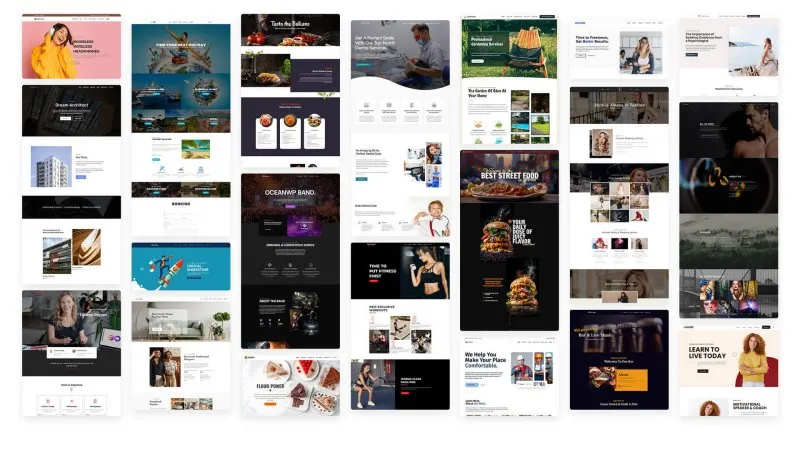
Harnessing All-in-One WordPress Themes for Comprehensive Digital Strategy
In the rapidly evolving landscape of digital presence, the challenge is no longer merely building a website; it is constructing a scalable, high-performance dig...Read More

Dedicated Hosting: The Strategic Backbone for Scalable SaaS Success
Dedicated hosting provides the performance, security, and cost predictability SaaS companies need to scale confidently, turning a physical server into a strateg...Read More

Designing for Neurodiverse Audiences: Inclusive Web Design Strategies
Explore how to design websites that respect cognitive differences, from visual hierarchy to adaptive content, and turn inclusivity into a competitive advantage....Read More

The 12-Inch Microsoft Surface Pro: Smaller, Cheaper, Longer Lasting – A Paradigm Shift in Productivity Devices
In the ever-evolving landscape of digital productivity, Microsoft has recalibrated its expectations—quietly yet powerfully—with the introduction of the new ...Read More
0 Comments
Post Comment
You will need to Login or Register to comment on this post!