
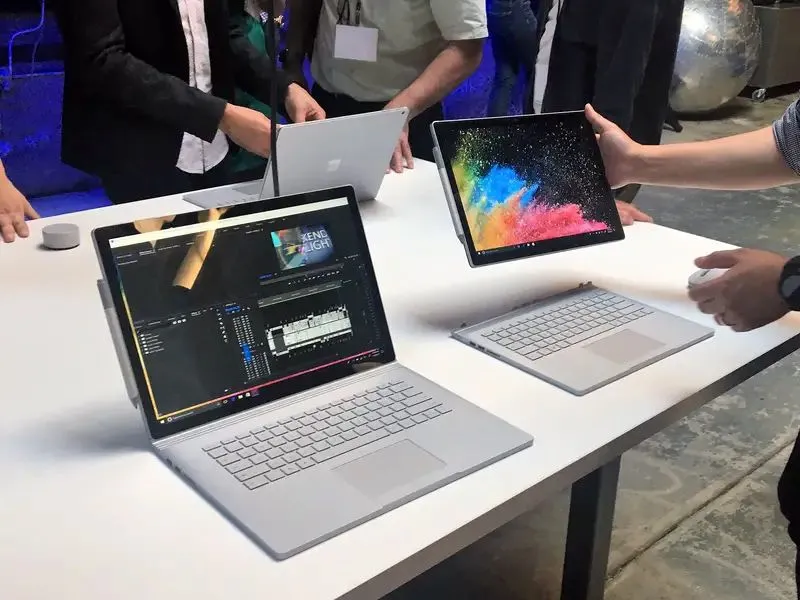
In the ever-evolving landscape of digital productivity, Microsoft has recalibrated its expectations—quietly yet powerfully—with the introduction of the new 12-inch Surface Pro. While the name may evoke nostalgia for legacy devices, this latest iteration represents a bold evolution in form, function, and value. Positioned at the intersection of portability, performance, and price, the 12-inch Surface Pro isn’t just a tablet or a laptop—it's a purpose-built hybrid designed to meet the demands of today’s mobile workforce without compromising on quality or longevity.
At first glance, the device appears to lean into minimalism: a sleek magnesium alloy chassis, a slightly reduced 12-inch PixelSense display (down from the 12.3 and 13-inch variants of previous generations), and a refined aspect ratio that balances screen real estate with ergonomic usability. Yet, beneath its compact exterior lies a strategic reimagining of what a productivity tablet should be—one that prioritizes real-world usability over oversized specs, affordability without sacrificing premium design, and battery efficiency as a cornerstone of daily performance.
Redefining Size: Smaller Doesn’t Mean Inferior
The decision to scale down slightly from the larger displays of prior Surface Pro models may raise eyebrows, but it’s grounded in practical insight. Market data from the past two years indicates a growing preference for devices that excel in portability without sacrificing screen clarity or multitasking capability. The 12-inch Surface Pro addresses this by optimizing pixel density—offering a full 2160 x 1440 resolution at a 3:2 aspect ratio, maintaining Microsoft’s signature vertical real estate that enhances document viewing, email management, and web browsing.
The reduction in physical footprint yields tangible benefits: improved one-handed handling, greater comfort during extended use on laps or airplane trays, and easier integration into smaller workspaces. Furthermore, the lighter overall weight—now averaging just 775 grams—makes it an ideal companion for professionals who travel frequently or navigate hybrid office environments. This compact form factor doesn’t represent a compromise; rather, it reflects a shift toward intentional design calibrated to how users interact with their devices throughout the day.
Cost Efficiency Without Sacrificing Premium Experience
Historically, Microsoft has positioned the Surface Pro line as a premium offering, often aligning its pricing with high-end ultrabooks. The new 12-inch model, however, departs from that tradition in a significant way. By streamlining component selection—opting for Intel’s latest Core Ultra 5 processor instead of the Ultra 7 or 9 in base configurations—and offering a more accessible starting storage tier (256GB SSD), Microsoft has reduced the entry price by nearly 18% compared to its predecessor.
This strategic pricing does not come at the expense of build quality. The device retains the durable magnesium casing, Alcantara fabric on the Type Cover (sold separately), and Thunderbolt 4 support, ensuring compatibility with high-speed peripherals and docking stations. Moreover, Microsoft has leveraged economies of scale and supply chain efficiencies to lower manufacturing costs, passing those savings directly to consumers.
For businesses evaluating device rollouts, the cost-per-unit reduction enables broader deployment across departments. Enterprises can now equip more employees with a consistent, secure, and manageable Windows experience without straining IT budgets. For students and freelancers, the lower price point removes a significant barrier to entry, making high-performance hybrid computing more inclusive.
Endurance Engineered: Battery Life That Keeps Pace
Perhaps the most transformative upgrade in the 12-inch Surface Pro is its battery longevity. With a newly engineered 50Wh battery and the power efficiency of Intel’s Lunar Lake architecture, the device achieves an impressive 18 hours of mixed usage under typical workloads—web browsing, document editing, video conferencing, and light media consumption. Even under continuous video playback at 150 nits brightness, it sustains up to 20 hours, outperforming most competitors in its class.
This extended endurance is more than a technical achievement; it reshapes how users engage with their devices. No longer tethered to power outlets during long flights, fieldwork, or back-to-back meetings, professionals can maintain momentum without interruption. The adaptive refresh rate (48-120Hz) further optimizes energy use by dynamically adjusting based on on-screen content, preserving battery during static displays while ensuring smooth scrolling and responsiveness when needed.
Additionally, Microsoft has enhanced fast-charging capabilities: a 30-minute charge now delivers up to 60% capacity, allowing users to quickly top off during short breaks. Coupled with hibernation modes that minimize background drain, the device exemplifies modern battery intelligence—an essential feature as the boundaries between work, study, and personal life continue to blur.
Performance and Ecosystem Integration
Despite its smaller size and lower price, the 12-inch Surface Pro doesn’t skimp on performance. The integration of Microsoft’s Pluton security processor ensures enterprise-grade protection, while Wi-Fi 6E and Bluetooth 5.3 deliver reliable, high-speed connectivity. For creative professionals, the optional 120Hz touch and pen support (with 4,096 levels of pressure sensitivity) provide a seamless experience for digital illustration, note-taking, and design workflows.
The device runs Windows 11 SE—a lightweight, secure version of the OS optimized for education and mobile productivity—by default, though business models offer full Windows 11 Pro for advanced management and compatibility. Microsoft has also deepened integration with its ecosystem: OneDrive syncs documents in real time, Office apps are pre-optimized for touch and pen input, and Teams operates smoothly with front-facing dual far-field mics and a 1080p IR camera for secure logins and crisp video calls.
A Device for the Modern Knowledge Worker
The release of the 12-inch Surface Pro signals not just an incremental update, but a philosophical shift. It acknowledges that productivity today is no longer defined by raw power alone, but by adaptability, efficiency, and sustained usability. It recognizes that a device’s value is measured not only in gigahertz and teraflops, but in hours of uninterrupted work, ease of transport, and total cost of ownership.
In a market saturated with oversized 2-in-1s and underpowered budget tablets, Microsoft has struck a rare balance. The 12-inch Surface Pro carves out a new category: the intentional device—thoughtfully scaled, carefully priced, and engineered for endurance. It appeals to the educator who moves between classrooms, the consultant jetting between client sites, the remote worker balancing household duties with professional demands.
Ultimately, the 12-inch Surface Pro is more than a piece of hardware. It’s a response to how work truly happens in 2024: fluid, mobile, and personal. By embracing smaller dimensions, lowering the price of entry, and extending battery performance, Microsoft hasn’t just released a new tablet—it has redefined what productivity looks like when form follows function with purpose.

Shawn DesRochers is a certified Microsoft technician and Programmer with 30+ year's experience. He has written many reviews on computer related products, software, and SEO related topics. When he's not writing reviews he can be found at one of the Oldest Directories Online Blogging Fusion Business Directory which he is the CEO of.
Related Posts

Designing a Laptop Setup That Grows With Your Workflows
Discover a step‑by‑step guide to creating a laptop environment that adapts to evolving work need... Read More
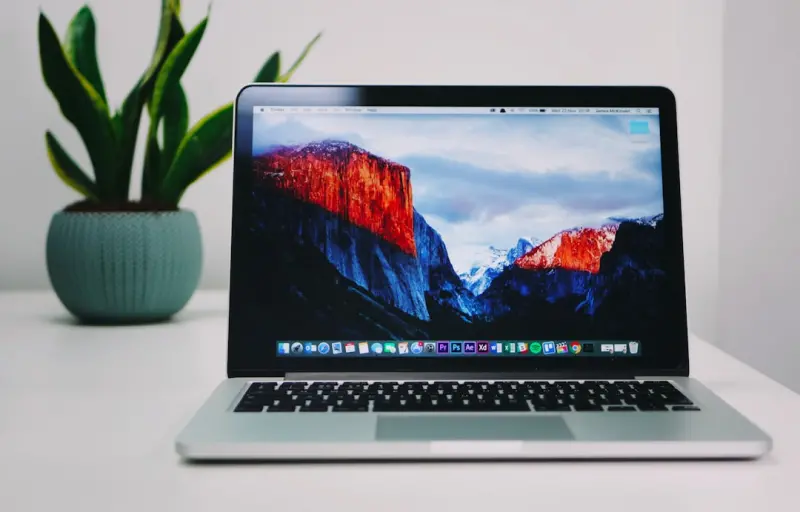
When Your Laptop Becomes Your AI Co‑Pilot
Explore the rise of AI‑integrated laptops, from hardware NPUs and modular upgrades to privacy‑fi... Read More

Designing a Laptop Setup That Grows With Your Creative Ambitions
A guide to creating a flexible, future‑proof laptop setup that maximizes performance, security, an... Read More
Top Posts

The Intersection of Law and Sustainable Living: A New Era of Eco-Friendly Innovation
The intersection of law and sustainable living is driving a new era of eco-friendly innovation. Learn how lawyers can play a critical role in driving sustainabl...Read More
Turning Email Into a Personal Dialogue: Strategies That Resonate
Learn to turn email into a one‑to‑one conversation using behavioral triggers, dynamic content, and AI‑driven segmentation for deeper engagement and trust....Read More

Data‑Driven Politics: How SaaS Tactics Are Redefining Democracy
A deep dive into the convergence of SaaS techniques and political strategy, revealing how data, micro‑moments, and private advocacy groups are reshaping democ...Read More

The Architecture of Security: How to Create a Strong and Secure PIN
The Personal Identification Number (PIN) serves as the primary authentication vector for countless critical functions, from financial transactions to accessing ...Read More
0 Comments
Post Comment
You will need to Login or Register to comment on this post!