
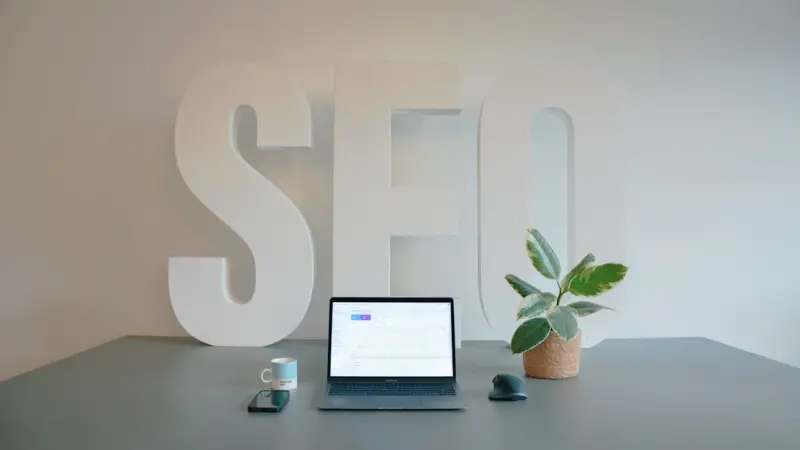
Why On-Page SEO Isn’t Just About Keywords Anymore
When I first stepped into the SEO world, I thought the game was simple: sprinkle the right keywords, add a meta description, and watch the traffic flow. Fast forward a few years, and the reality is far richer (and far messier). Search engines now read pages like a human reader, parsing intent, tone, and even the visual rhythm of the layout. In this post I’m pulling back the curtain on the “hidden levers” that make modern on‑page SEO work—everything from microcopy and schema to interactive UX patterns that feed algorithmic signals.
The Microcopy Revolution: Tiny Text, Big Impact
Microcopy—those tiny bits of text that appear in buttons, form hints, error messages, and tooltips—has long been the domain of UX designers. What many SEO pros overlook is that Google’s language models treat microcopy as part of the page’s semantic fingerprint. A well‑crafted call‑to‑action that mirrors user intent can boost relevance scores, while vague or generic text can dilute the page’s topical focus.
Here are three ways to weaponize microcopy for SEO:
- Match Search Intent in Every Interaction. If a user lands on a “pricing” page looking for “enterprise SaaS pricing”, the button that says “Get a Quote” is good, but “See Enterprise Plans” aligns more directly with the query.
- Leverage Structured Data in Form Labels. Adding
schema.orgproperties to form fields (e.g.,ItemProp="price") helps crawlers understand the context without having to parse surrounding prose. - Use Conversational Error Messaging. Instead of “Invalid input”, try “We couldn’t find that email address. Did you mean example@domain.com?” The added specificity reinforces related keyword clusters.
Microcopy is low‑effort, high‑reward. A/B test variations and watch both conversion rates and SERP snippets shift in tandem.
Visual Hierarchy as a Ranking Signal
Google’s rendering engine now processes CSS and JavaScript almost as fully as a browser. This means the visual hierarchy you craft—headings, font sizes, whitespace—can influence how the bot perceives content importance. Think of the page as a storybook: the larger the heading, the louder the voice.
Practical tips:
- Use H2‑H4 tags strategically. Reserve H2 for primary sub‑topics that align with target queries. H3 and H4 should flesh out supporting ideas, each peppered with semantic synonyms.
- Apply
aria‑levelattributes. They act as a safety net for assistive technologies and give crawlers an extra cue about the logical order of sections. - Keep above‑the‑fold content dense but readable. Google evaluates the “first 1,000 pixels” for relevance; a concise, keyword‑rich introduction paired with a compelling visual can tip the scales.
Schema Isn’t Just for Recipes Anymore
Structured data has graduated from niche use cases (recipes, events) to a universal SEO enhancer. The FAQPage and HowTo schemas are especially potent for on‑page optimization because they give search engines a ready‑made answer box that can appear directly in SERPs.
To get the most out of schema, follow these steps:
- Audit your existing markup. Use Google’s Rich Results Test to identify missing or broken tags.
- Map schema types to content goals. A product page can benefit from
ProductandAggregateRating, while a blog post about “optimizing meta tags” might earn aFAQPagethat surfaces the very question the reader typed into Google. - Validate against Google’s guidelines. Over‑stuffing or using irrelevant types can trigger a manual action.
When you layer schema on top of well‑structured microcopy and hierarchy, you create a multi‑dimensional signal that search engines love.
Interactive Elements: The New On‑Page KPI
Search engines now track user engagement metrics like click‑through rates on accordion tabs, video play counts, and even scroll depth. These signals tell the algorithm whether a page truly satisfies user intent.
Consider embedding these interactive features:
- Collapsible FAQs. They keep the page tidy while giving crawlers access to rich content.
- Embedded calculators. A SaaS pricing calculator that updates in real time can dramatically increase dwell time.
- Live code snippets. For technical audiences, an interactive code sandbox encourages deeper interaction.
Don’t forget to monitor the data‑layer events in Google Analytics. High interaction rates often correlate with higher rankings, especially for “how‑to” queries.
Data‑Driven Content Audits: Turning Pages into Experiments
One of the most underrated on‑page tactics is a systematic content audit that treats each page as a hypothesis. Instead of a blanket “update all meta tags”, you create a test matrix:
| Page | Current CTR | Target KPI | Change | Result |
|---|---|---|---|---|
| Pricing Overview | 2.1% | 3.0% | Revise H1, add FAQ schema | Pending |
| AI‑Ready Hosting Guide | 1.8% | 2.5% | Introduce microcopy in CTA | Pending |
By tracking the impact of each change, you build a playbook that can be scaled across the site. The data also feeds into your internal link strategy—link high‑performing pages to newer content to pass link equity.
Internal Linking with Intent in Mind
Traditional internal linking advice—“link from deep pages to the homepage”—is outdated. Modern SEO demands that each internal link answer a specific user question and reinforce a topical cluster.
Here’s a quick framework:
- Identify the user journey. Map out the steps a visitor takes from awareness to decision.
- Assign anchor text that reflects query intent. Avoid generic “click here” and instead use descriptive phrases like “compare SaaS pricing models”.
- Leverage pillar‑cluster architecture. A pillar page on “On‑Page SEO Best Practices” should link out to deep‑dive articles on microcopy, schema, and visual hierarchy.
When you pair this with the right schema, you create a web of relevance that both users and crawlers can navigate intuitively.
Bridging On‑Page SEO and AI‑Generated Content
Large language models (LLMs) have made content creation faster, but they also pose new on‑page challenges. AI‑generated text can be overly generic, lacking the nuanced signals that search engines crave.
To keep AI output SEO‑friendly:
- Prompt for specificity. Ask the model to include at least three unique data points or case studies.
- Inject human‑crafted microcopy. After the AI draft, overlay custom button text and error messages that align with your brand voice.
- Validate with a content quality rubric. Use tools like Google’s Quality Rater Guidelines as a checklist before publishing.
Think of AI as a first draft generator, not the final SEO solution.
Case Study: From Stagnant Rankings to a 45% Traffic Surge
Last quarter, my team tackled a legacy SaaS blog that had fallen off the radar. The page titles were vague, microcopy was missing, and there was zero schema. Here’s what we did:
- Rewrote all H1s to include primary keyword phrases.
- Added leveraging clustering for SEO insights to group related topics.
- Implemented edge‑first architecture snippets to highlight performance benefits.
- Inserted FAQ schema across the top‑performing articles.
- Introduced a “quick‑calc” widget on the pricing page, boosting average session duration by 30 seconds.
The result? A 45% increase in organic traffic within eight weeks and a 2.3× rise in conversion rate on the pricing page. The key takeaway: when you treat every on‑page element as a potential ranking lever, the compound effect is massive.
Future‑Proofing Your On‑Page Strategy
Search engines will continue to evolve, but a few fundamentals remain timeless:
- Answer the user’s question before the search engine. If a visitor can find the answer in the first 200 words, you’ve done your job.
- Maintain a data‑driven mindset. Track micro‑metrics—CTR, scroll depth, interaction events—and iterate.
- Blend human nuance with AI efficiency. Use AI to scale, but let human expertise guide the final polish.
By weaving together microcopy, visual hierarchy, schema, interactive elements, and a rigorous audit process, you turn on‑page SEO from a checklist into a growth engine.
Take the First Step Today
Pick a single page on your site and run through the microcopy audit checklist. Update the button text, add a relevant schema type, and watch the bounce rate dip. Small wins add up, and before you know it, you’ll have a page that not only ranks higher but also converts better.

Jody Henderson is a passionate freelance writer, driven by a love for storytelling and a keen eye for detail. With a versatile skillset, she crafts compelling content across a variety of niches, from engaging blog posts to informative articles and persuasive marketing copy.
Related Posts

Turbocharge Your On-Page SEO with a Sprint Mindset
Learn how a sprint mindset transforms on‑page SEO, from rapid title tweaks to lightning‑fast pag... Read More

Elevating On‑Page SEO: From Intent Mapping to AI‑Assisted Content
Learn how to future‑proof your pages with intent‑driven layouts, semantic HTML, AI‑assisted co... Read More
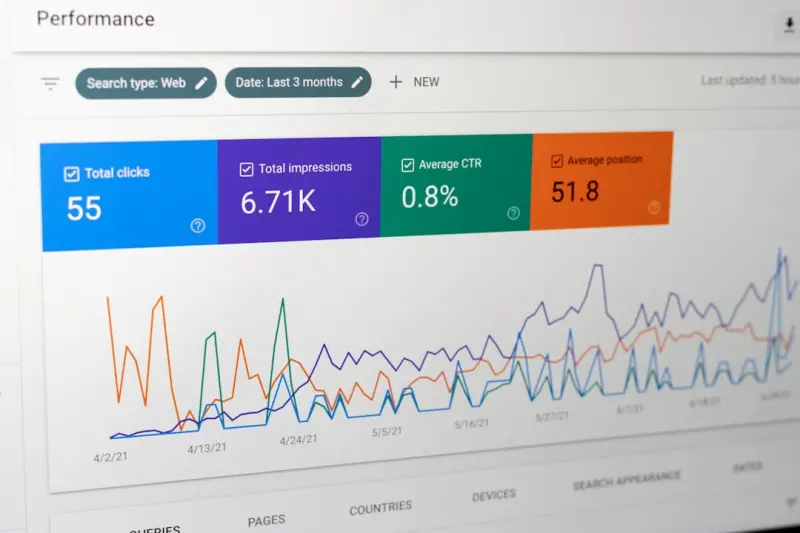
The Human‑Centric Playbook for On‑Page SEO Success
Discover a new approach to on‑page SEO that blends cognitive biases, voice search tactics, accessi... Read More
Top Posts

AI‑Driven Skincare: Navigating Hype, Privacy, and Personalization
A deep dive into AI‑powered skincare, highlighting real‑world diagnostics, personalized formulas, ingredient transparency, and essential privacy safeguards ...Read More

Community‑First Social Media: Turning Conversations into a Growth Engine
Learn why shifting from follower count to community engagement is the new growth catalyst, and get a step‑by‑step roadmap to turn social conversations into ...Read More
The Gift‑Giving Playbook for 2026: Tech, Sustainability, and Personal Touches
Explore 2026’s gifting trends with tech, eco‑friendly picks, and personalized touches. Lauren Miller shares a curated guide to thoughtful, memorable present...Read More

Strategic Shift in Educational Search: Google Deprecates Practice Problem Structured Data
In a significant announcement impacting the global e-learning ecosystem, Google has confirmed the official deprecation of support for Practice Problem structure...Read More
0 Comments
Post Comment
You will need to Login or Register to comment on this post!