
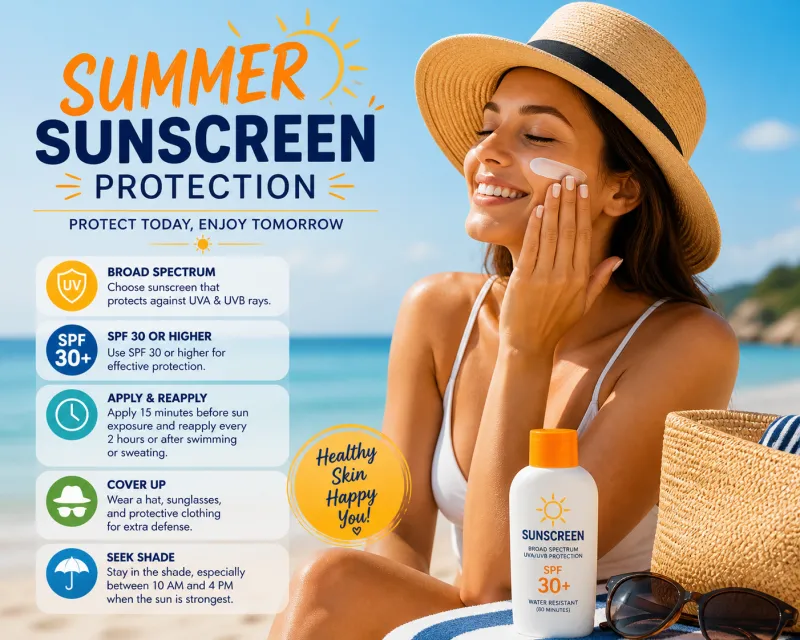
As the Vernal Equinox fades into memory and the days stretch toward the zenith of summer, the allure of the outdoors becomes nearly impossible to resist. Whether you are planning coastal retreats, mountain hikes, or simply enjoying the extended golden hours in your local park, the seasonal shift warrants a critical review of your personal skincare regimen. Professional dermatologists and health experts universally agree on one immutable truth: the most essential component of your summer preparation is not your wardrobe or your itinerary, but your sunscreen.
While the sun is a vital source of Vitamin D and a natural mood enhancer, its ultraviolet (UV) radiation is the primary environmental cause of premature skin aging and skin cancer. As we prepare to immerse ourselves in the season of light, it is time to move beyond the casual application of SPF and embrace a sophisticated, professional approach to sun protection.
Understanding the Invisible Threat: UVA vs. UVB
To properly insure yourself against sun damage, one must first understand what they are shielding against. The sun emits two primary types of ultraviolet rays that penetrate the Earth’s atmosphere: UVA and UVB.
- UVB Rays (The "Burning" Rays): These are the primary culprits behind sunburn. They damage the outermost layers of the skin and play a significant role in the development of skin cancers. During the summer months, UVB intensity peaks between 10:00 AM and 4:00 PM.
- UVA Rays (The "Aging" Rays): UVA rays are insidious because they are present with relatively equal intensity during all daylight hours, throughout the entire year, and can even penetrate glass. These rays penetrate deep into the dermis, damaging collagen and elastin. This is the root cause of photoaging—the fine lines, leathery texture, and hyperpigmentation that many confuse with inevitable "natural" aging.
A professional-grade sunscreen must be "Broad Spectrum," meaning it is formulated to block both of these wavelengths. If your bottle lacks this designation, you are essentially leaving half of your defenses down.
Decoding the SPF Label
The Sun Protection Factor (SPF) is a measure of how well a sunscreen protects the skin from UVB rays. It is important to dispel a common myth: higher SPF does not mean you can stay out indefinitely without reapplication.
SPF 30 filters out approximately 97% of UVB rays, while SPF 50 filters out about 98%. While the incremental difference seems negligible on paper, for those with fair skin or a history of skin cancer, that extra percentage of protection in high-intensity environments is significant. Professional recommendations suggest a minimum of SPF 30 for daily use and SPF 50 for extended outdoor activity. However, no sunscreen provides 100% protection, which is why chemical and physical barriers must be combined with behavioral safeguards.
Mineral vs. Chemical: The Great Formulation Debate
Modern sunscreens fall into two distinct categories, each with its own set of advantages and considerations.
1. Physical (Mineral) Sunscreens: Ingredients such as zinc oxide and titanium dioxide sit on the surface of the skin and act as a physical shield, reflecting UV radiation away. These are often the preferred choice for individuals with sensitive skin, rosacea, or acne, as they are non-comedogenic and rarely cause allergic reactions. Modern formulations have evolved significantly, moving past the thick, chalky white pastes of the past to elegant, sheer lotions that vanish upon application.
2. Chemical Sunscreens: Ingredients like avobenzone, octisalate, and oxybenzone work through a chemical reaction. They absorb UV rays, convert them into heat, and release that heat from the skin. Chemical sunscreens are often preferred for their aesthetic qualities; they are lightweight, thin, and leave no residue, making them ideal for high-humidity environments or for those who engage in vigorous sports where sweat might cause a mineral formula to run.
The Professional Protocol for Application
Even the most expensive, high-SPF sunscreen is ineffective if applied incorrectly. The "Summer Readiness" standard requires adherence to three specific rules:
- The Quantity Rule: Most people apply only 25% to 50% of the recommended amount of sunscreen. To achieve the labeled SPF on the bottle, you need roughly one ounce—a full shot glass—to cover your entire body. For the face and neck, aim for a nickel-sized dollop.
- The Timing Rule: If using a chemical sunscreen, application must occur 15 to 20 minutes before sun exposure to allow the ingredients to bind to the skin. Mineral sunscreens offer immediate protection upon application.
- The Reapplication Rule: This is the most frequently broken rule. Sunscreen degrades over time, especially when exposed to direct sunlight, perspiration, or water. You must reapply at least every two hours, and immediately after swimming or towel-drying. If you work in an office near a window, a mid-day reapplication is encouraged to counter the effects of UVA rays piercing through the glass.
Beyond the Bottle: Holistic Protection
As we lean into the summer, remember that sunscreen is the foundation, not the entirety, of a protective strategy. Professional dermatological associations advocate for a "layered" approach:
- Seek Shade: Between the peak hours of 10:00 AM and 4:00 PM, the sun’s radiation is at its most aggressive. Scheduling outdoor activities for the early morning or late afternoon drastically reduces your cumulative UV exposure.
- Protective Apparel: Clothing serves as the most reliable barrier against the sun. Consider UPF (Ultraviolet Protection Factor) rated clothing. Wide-brimmed hats protect the sensitive skin of the scalp, ears, and neck—areas frequently missed by sunscreen and high-risk zones for skin cancer.
- Eye Health: UV damage doesn’t just affect the skin; it affects the eyes. Chronic exposure can lead to cataracts and macular degeneration. Always ensure your sunglasses are labeled as offering 100% UV protection.
Preparing for a Season of Confidence
As the season approaches, treat your sunscreen purchase with the same attention you would any other important investment. Check expiration dates—chemical compounds in sunscreen lose their stability over time, and a bottle left in a hot car can undergo heat degradation, rendering it ineffective.
Ultimately, the best sunscreen is the one you will actually wear. If a particular texture or scent prevents you from applying it daily, seek out alternatives. There are now countless elegant, high-performance formulations—from invisible gels and hydrating creams to powdered mineral options for touch-ups over makeup.
This summer, resolve to view sun protection not as a chore, but as an act of professional self-care. By respecting the power of the sun and maintaining a diligent, high-quality defensive regimen, you ensure that your summer is defined by the experiences you create, rather than the damage you endure. Protect your skin today, and it will remain a source of health, vitality, and confidence for many summers to come.

Miranda Murphy: Experienced freelance writer with a decade of storytelling expertise. Let's create something amazing together!
Related Posts

Soundscapes: How Ambient Audio Can Transform Your Health and Productivity
Explore the science behind ambient soundscapes and learn practical steps to use soothing audio at wo... Read More
The Double-Edged Sword: Uncovering the Hidden Risks of Modern Weight Loss Pharmacotherapy
In the landscape of modern medicine, few breakthroughs have captured the collective imagination-and ... Read More

Wearable Tech & Digital Therapeutics: The New Health Frontier
From continuous monitoring to AI‑driven personalized care, wearables are becoming the frontline of... Read More
Top Posts

Powering Tomorrow: How Community Microgrids and Green Hydrogen Are Redefining Energy
Discover the transformative impact of community microgrids and green hydrogen, and learn practical steps you can take to join the clean‑energy revolution toda...Read More

Marketing in 2026: How AI, Authenticity, and Sustainability Redefine Success
In 2026, marketers must blend AI precision, genuine storytelling, and eco‑conscious strategies to stay ahead—learn how to future‑proof your brand now....Read More
Beyond the Screen: How MicroLED Is Redefining the Smartphone Experience
MicroLED promises brighter, more durable, and power‑efficient smartphone screens. This post dives into the technology, its advantages over OLED, potential dra...Read More

The Evolution of Eco-Friendly Toys: A Sustainable Approach to Playtime
The toy industry is evolving with a growing emphasis on sustainability and eco-friendliness. Learn how eco-friendly toys can promote environmentally responsible...Read More
0 Comments
Post Comment
You will need to Login or Register to comment on this post!