

Why Modern Gardeners Are Obsessed with Speed
When I first swapped my balcony for a compact raised‑bed, I expected a slow, meditative ritual. Instead, I discovered that today’s gardeners crave instant gratification—from seed to sprout in days, not weeks. The surge of micro‑green kits and rapid‑grow varieties means we can taste fresh basil minutes after planting, feeding both our culinary curiosity and our need for immediate results. This shift mirrors broader cultural trends where speed fuels creativity, and I’ve learned to harness that momentum without sacrificing the soul‑ful stillness gardening promises.
Microgreens: The Fast‑Track to Fresh Flavors
Microgreens have become my secret weapon for turning a modest windowsill into a gourmet pantry. In just 7‑10 days, a tray of radish or pea shoots can be harvested, delivering a punch of flavor that rivals market‑bought greens. I love the ritual of watching seedlings pop up, their delicate leaves unfurling like tiny flags of victory. By rotating varieties weekly, I keep my dishes vibrant and my kitchen conversations lively, proving that speed can coexist with culinary artistry.
What’s fascinating is how this rapid growth dovetails with the broader food conversation. A recent piece on why speed is the secret ingredient behind today’s food craze explains that consumers now expect freshness at the click of a button. My microgreen trays answer that call, delivering farm‑to‑fork experiences right from my apartment. It feels like a personal rebellion against the sluggish supply chains that dominate traditional agriculture, and every crisp bite reaffirms that I’m part of a new, agile food movement.
Tech‑Enabled Soil Care for the Modern Gardener
Smart soil sensors have revolutionized how I tend to my plants, turning guesswork into data‑driven decisions. A tiny probe buried in the pot sends real‑time moisture and pH readings to my phone, prompting alerts when my succulents need a sip or my tomatoes demand a tweak in nutrient balance. This technology embodies the “sprint mindset” many businesses adopt, where rapid feedback loops drive continuous improvement—a concept echoed in mastering on‑page SEO: a mindset for modern rankings. Just as SEO thrives on quick adjustments, my garden thrives on timely interventions.
Beyond sensors, automated drip systems have freed me from the tyranny of daily watering schedules. By calibrating flow rates to each plant’s specific needs, I conserve water while ensuring optimal growth. The result is a lush, thriving garden that feels almost autonomous, allowing me to focus on creative aspects like layout and companion planting. It’s a reminder that embracing technology doesn’t dilute the gardening experience; it amplifies it, letting me nurture both the science and the art of cultivation.
Designing Gardens That Spark Community and Creativity
In my neighborhood, I’ve transformed a vacant lot into a shared herb oasis, inviting neighbors to pick, plant, and collaborate. This communal approach mirrors the collaborative spirit of modern online spaces, where shared resources foster innovation. By planting fast‑growing herbs like cilantro and mint, we ensure a steady supply that keeps the space bustling and the conversations flowing. The garden becomes a living laboratory, where each harvest sparks new recipes and storytelling sessions.
The design itself emphasizes accessibility: raised beds at waist height, clear signage, and QR codes linking to care guides. These touches reflect a broader trend of blending physical and digital experiences, making gardening approachable for novices and seasoned green thumbs alike. The fast turnover of crops means there’s always something new to discover, reinforcing the idea that speed can cultivate a sense of community and shared purpose.
Future‑Forward Harvest: Sustainability Meets Speed
Looking ahead, I’m excited about vertical farms and hydroponic towers that stack productivity without expanding footprints. These systems promise yields that rival traditional fields, all while using a fraction of the water. By integrating LED lighting tuned to specific growth stages, we can accelerate cycles even further, turning a single indoor space into a year‑round food factory. The sustainability payoff is huge: less land, fewer pesticides, and a dramatic reduction in carbon emissions from transportation.
Yet, speed alone isn’t enough; we must anchor it in resilient practices. Composting kitchen scraps into nutrient‑rich tea for my hydroponic setups creates a closed‑loop system that honors the earth even as we push the boundaries of growth. In this fast‑paced world, the garden becomes a sanctuary where technology, sustainability, and the joy of watching a seed become a salad coexist. It’s a testament to how embracing speed can lead to deeper, more meaningful connections with the soil, the food, and the community around us.

Amanda is a passionate writer exploring a kaleidoscope of topics from lifestyle to travel and everything in between.
Related Posts

The Intersection of Gardening and Sustainable Living: How My Green Thumb Shaped My Approach to Digital Strategy
Gardening has taught me valuable lessons about sustainable living and digital strategy. Learn how my... Read More
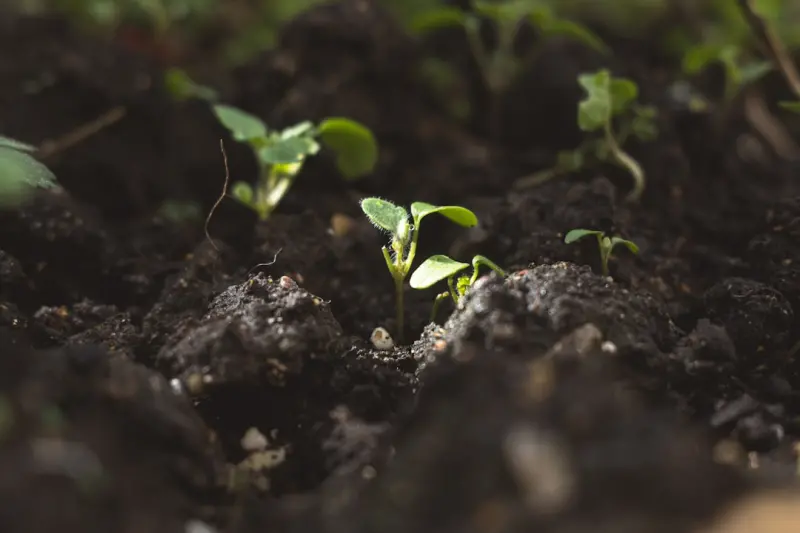
Cultivating a Mindful Garden: From Soil Secrets to Community Harvests
Discover a fresh approach to gardening that blends soil science, inclusive design, and community eng... Read More
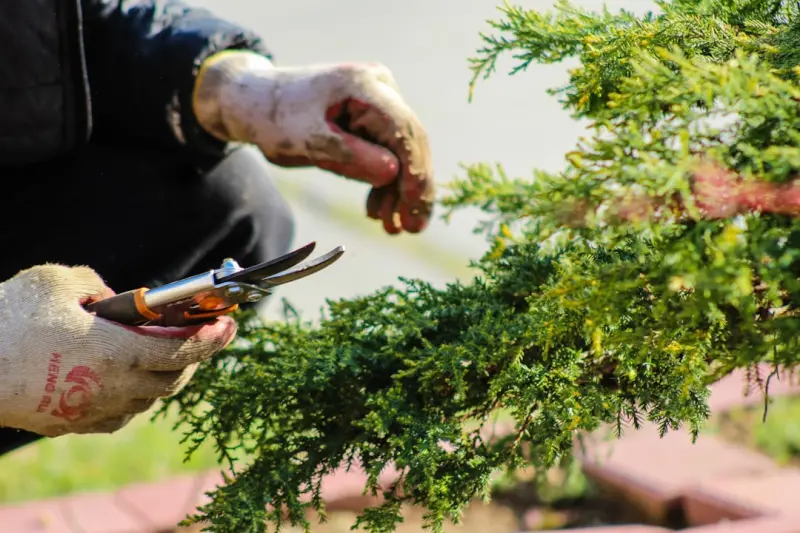
From Balcony to Bounty: Mastering Micro‑Urban Farming
Learn to transform a small balcony into a productive garden by mastering container selection, soil s... Read More
Top Posts
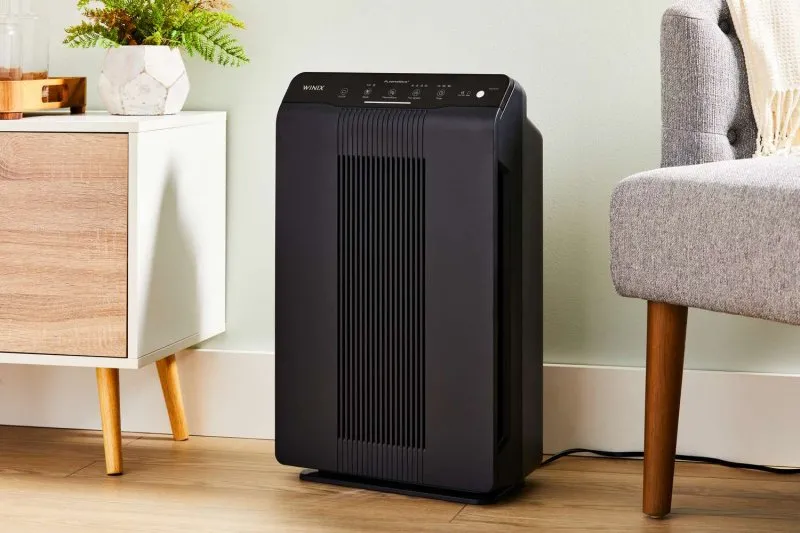
You'll Want an Air Purifier This Cold and Flu Season: A Proactive Approach to Indoor Air Quality
As the days shorten and temperatures drop, the unwelcome guests of cold and flu season inevitably make their annual appearance. For many, this period ushers in ...Read More

Reinventing Insurance for the SaaS Frontier
Insurance is no longer a static safety net for SaaS companies; by treating it as a data‑driven, iterative process, businesses can negotiate better terms, embe...Read More

Turning Your Home Into a Living Storybook
Discover a fresh interior design approach that weaves color, texture, lighting, and sustainable materials into a personal narrative, creating a home that feels ...Read More

The DIY Digital Playground: Empowering Teens to Build Skills While They Play
Learn how to transform everyday play into a powerful digital portfolio for teens, using smartphone sensors, modular web design, and micro‑wins to build realâ€...Read More
0 Comments
Post Comment
You will need to Login or Register to comment on this post!