
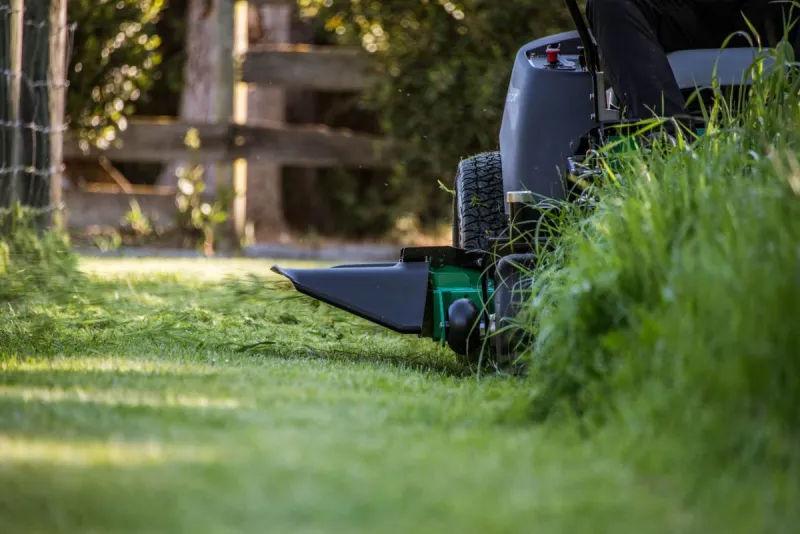
Achieving a lush, vibrant carpet of green is the dream of every homeowner. However, many people find themselves frustrated when their turf turns yellow or develops patchy, brown spots despite their best efforts. Often, the culprit is not a lack of fertilizer or water, but rather common Lawncare errors made during routine maintenance. If you want a healthier yard, you must first master the art of the mow.
Understanding how your grass grows is the first step toward a beautiful landscape. When you treat your lawn as a living ecosystem rather than just a patch of dirt, the results become apparent. Avoiding these frequent Lawncare Mistakes will save you time, money, and unnecessary stress throughout the growing season.
The Danger of Scalping Your Lawn
One of the most frequent errors homeowners make is cutting their grass too short. This practice, known as scalping, forces the plant to divert all its energy into leaf regrowth instead of developing a deep, resilient root system. When roots remain shallow, your grass becomes highly susceptible to drought, heat stress, and invasive weeds.
The Benefits of a Higher Setting
Most experts recommend maintaining your lawn at a height of three to four inches. By keeping the blades longer, you provide natural shade to the soil, which helps retain moisture and prevents weed seeds from germinating. A taller canopy also encourages the grass to grow thicker, eventually crowding out unwanted intruders.
- Reduces soil evaporation rates during hot summer afternoons.
- Promotes deeper root penetration for better nutrient absorption.
- Protects the soil surface from the scorching intensity of direct sunlight.
Neglecting Blade Maintenance
Your mower blades are the surgical tools of your garden. If they are dull, they do not cleanly slice through the grass blades; instead, they tear them. This jagged cut leaves your grass vulnerable to disease, as the open, shredded edges become an easy entry point for fungi and pests.
You can easily spot a mower with dull blades by looking at the tips of your grass after a session. If the ends appear white, frayed, or jagged, it is time to sharpen or replace your blades. Aim to sharpen them at least twice per season, or more frequently if you have a large property with many obstacles.
Mowing When the Grass Is Wet
It is tempting to head out to the yard immediately after a rainstorm, but cutting wet grass is a recipe for disaster. Wet clippings tend to clump together, creating thick mats that smother the living grass underneath. This trapped moisture creates the perfect breeding ground for mold and lawn fungus.
Beyond the health of your turf, wet mowing is dangerous for your equipment. Damp grass clippings stick to the underside of the mower deck, which can lead to corrosion and clogs. Furthermore, turning on wet soil often results in ruts and soil compaction, which further hinders the growth of your lawn.
The One-Third Rule
Many homeowners skip mowing for a week or two, then try to hack off half the height of the lawn in one go. This violates the golden rule of mowing: never remove more than one-third of the grass blade height at any single time. Removing too much foliage at once causes significant shock to the plant.
If your grass has grown significantly taller than your preferred height, you should perform multiple mowings over several days. Gradually lower the deck until you reach your target height. This measured approach ensures the grass stays healthy and maintains its rich, green color throughout the stress of the growing season.
Ignoring Your Mowing Pattern
It is easy to develop a routine where you mow in the exact same direction every single weekend. However, doing this creates ruts in the soil and causes the grass to grow leaning in one specific direction. Over time, this results in an uneven appearance and can even thin out your lawn in high-traffic areas.
To keep your grass standing tall and uniform, alternate your mowing patterns every time you cut. If you mowed horizontally last week, try a vertical pattern this week, followed by a diagonal one the next. This simple change encourages the grass blades to grow straight and keeps the soil from compacting in parallel lines.
Failing to Properly Mulch or Bag
Deciding whether to bag your clippings or mulch them back into the lawn is a common dilemma. If you have kept up with your mowing and the clippings are short, mulching is an excellent way to return vital nutrients to the soil. These decomposing clippings act as a natural fertilizer, providing a slow-release nitrogen boost.
However, if you have let the grass grow too long, mulching can be counterproductive. Large clumps of heavy grass will block sunlight and encourage disease. In cases where the grass is overgrown, it is better to bag the clippings to keep the lawn healthy and clear of debris that could stifle growth.
Final Thoughts on Lawn Maintenance
Achieving a professional-looking yard does not require expensive chemicals or a landscaping crew. By being mindful of your mowing habits and avoiding these common pitfalls, you can cultivate a lawn that is the envy of the neighborhood. Consistency, sharp blades, and respecting the one-third rule are the pillars of a thriving landscape.
Take the time to assess your current routine. Are you cutting too short? Are you ignoring your blade sharpness? By making these small adjustments today, you will see a dramatic improvement in the density and color of your turf. Treat your grass with care, and it will reward you with a lush, green sanctuary for years to come.

Dale Peterson is a freelance writer with a passion for technology, travel, law and personal finance. With 10 years of experience crafting compelling and informative content, he's dedicated to delivering high-quality writing for Blogging Fusion that engages audiences and achieves specific goals.
Related Posts
5 Effective Tips to Picking the Right Landscape and Gardening Service Provider
A well-maintained landscape is more than just a pretty picture; it's an investment in your property'... Read More
The Secret Power of Soil Microbiomes: How to Grow a Thriving Garden Naturally
Explore the hidden world of soil microbiomes and learn actionable steps to nurture this underground ... Read More
Balcony Micro‑Ecosystems: Crafting a Sensory Garden in Small Spaces
Turn your balcony into a living sanctuary. Learn modular tools, smart soil tricks, and sensory plant... Read More
Top Posts

The Future of Flavor: AR Menus, AI Pairings, and Smart Kitchens
A deep dive into how AR, AI, and smart kitchen innovations are transforming the way we choose, create, and enjoy food, offering personalized, immersive dining e...Read More

Why Virtual Economies Are the Secret Engine Driving Modern Gaming
Virtual economies aren’t just in‑game fluff—they’re powerful forces that drive player choices, social bonds, and even real‑world wallets, reshaping ho...Read More

Zero‑Party Data: The Quiet Superpower Transforming B2B SaaS Marketing
Zero‑party data lets customers voluntarily share preferences, turning marketing from guesswork into a trusted, two‑way conversation that boosts conversions ...Read More

The Power of Play: How Toys Can Shape Our Childhood and Beyond
Toys play a vital role in shaping childhood experiences, from developing essential skills to creating lasting memories. Learn how toys impact mental wellbeing, ...Read More
0 Comments
Post Comment
You will need to Login or Register to comment on this post!