

Why On‑Page SEO Still Matters in a Speed‑First World
Every time I open Chrome and type a query, I’m reminded that search intent is the compass guiding modern SEO. I spend hours analyzing user pathways, because a well‑crafted title tag or meta description can be the difference between a bounce and a conversion. The truth is, search engines have grown smarter, but they still rely on clear signals from the page itself to decide relevance. That’s why I obsess over semantic markup, strategic keyword placement, and the subtle art of internal linking.
In my daily workflow, I treat each page like a mini‑landing zone for both users and crawlers. I start with a clear headline hierarchy, then weave primary and secondary keywords naturally into the copy, always keeping readability front‑and‑center. It’s tempting to stuff every possible phrase, but Google’s algorithms penalize that kind of spammy behavior. Instead, I focus on topic clusters that support the main theme, reinforcing relevance without overloading the text.
One habit that has transformed my results is auditing page speed alongside content quality. I recently read Why Speed Rules the SERPs, and it reminded me that a fast, secure site builds trust instantly. When I combine rapid load times with purposeful on‑page signals, the synergy boosts rankings more than any single tactic could achieve alone.
Crafting Content That Speaks to Humans and Algorithms
My voice on the page is conversational, yet I embed structured data to help search engines understand context. I use schema.org markup for articles, FAQs, and product reviews, which often earns those coveted rich snippets. Those snippets act like a billboard on the SERP, drawing eyes before the user even clicks. The key is to keep the markup accurate and up‑to‑date; otherwise, Google may ignore it entirely.
Another pillar of my strategy is the strategic use of internal links. By linking to relevant posts, I distribute link equity and guide readers deeper into the site. For instance, I reference The Secret Sauce for Modern Web Development when discussing the technical underpinnings of a page, providing both value and a pathway for Google to follow. This creates a web of relevance that amplifies the authority of each piece.
When drafting copy, I always ask myself: “Would this answer the question my audience is asking right now?” I then structure the answer with short paragraphs, bullet points, and bolded key phrases to enhance scan‑ability. A well‑organized page reduces bounce rates, sending a positive signal to search bots that users find the content useful and engaging.
Technical Foundations That Reinforce On‑Page Excellence
Behind the polished prose lies a foundation of technical best practices. I routinely audit my pages for mobile‑friendliness, ensuring that the responsive design adapts seamlessly across devices. Google’s mobile‑first indexing means that a flawless desktop experience is no longer enough; the mobile view must deliver the same depth of information without sacrificing speed.
Another non‑negotiable is secure HTTPS. Beyond the trust factor for visitors, browsers flag non‑secure pages, which can hurt click‑through rates. I also compress images, leverage browser caching, and enable lazy loading to shave precious milliseconds off load time. These tweaks, while subtle, collectively enhance the user experience and reinforce the page’s credibility.
Lastly, I never overlook the power of a clean URL structure and logical breadcrumb navigation. When users and crawlers can trace their path from the homepage to the article with ease, it reinforces topical relevance and improves site architecture. By marrying solid technical health with compelling on‑page elements, I create a holistic SEO strategy that stands the test of algorithm updates.

Mei Chen is a dynamic professional who brings a unique blend of skills to Blogging Fusion. As a key contributor to the Blogging Fusion platform, she leverages her writing expertise to create engaging content that resonates with our audience.
Related Posts

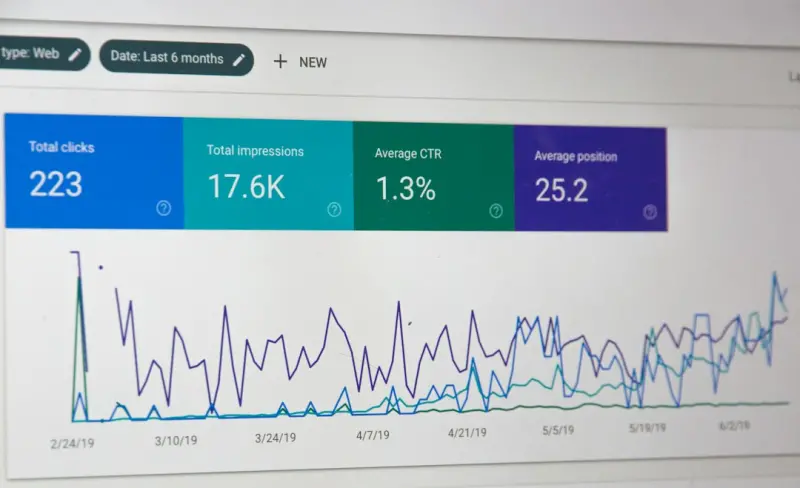
The Hidden Psychology Behind On-Page SEO: Leveraging Human Attention for Better Rankings
Explore the cognitive biases that influence search rankings and get practical, brain‑backed tactic... Read More
Turning On‑Page SEO Into a User‑Centric Experience
A fresh take on on‑page SEO that treats each page as a user‑centric canvas, merging intent mappi... Read More
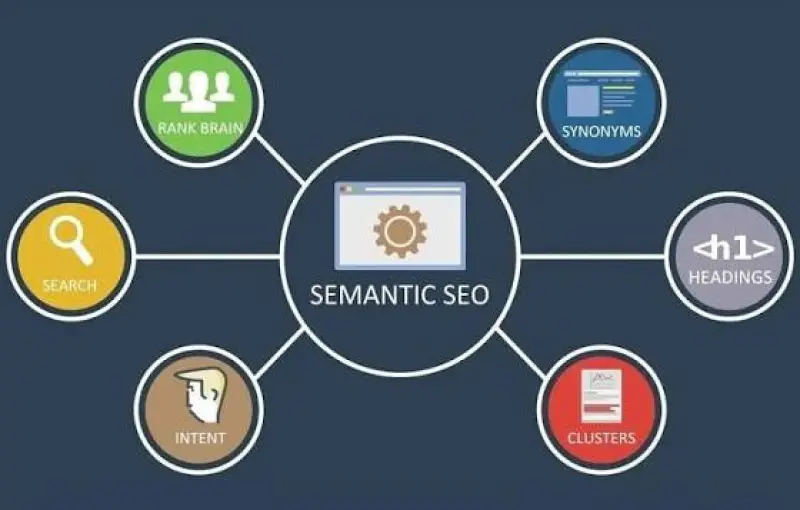
The Secret Power of Semantic HTML for On-Page SEO
Learn why semantic HTML is the hidden engine behind better rankings, how to audit and upgrade your p... Read More
Top Posts

Five Tips for a Professional Blog
In today's digital landscape, a blog can be a powerful tool for individuals and businesses alike. It's a platform to share expertise, connect with an audience, ...Read More

Bridging the Gap: A Professional Guide to Supporting Your Child's Mathematical Success
The relationship between a student and mathematics is often complex. For many children, math represents the first significant academic hurdle, leading to frustr...Read More

Choose Greener Future for Everyday Choices
Explore how intentional, slow‑living choices—from mindful shopping to sustainable digital habits—can dramatically reduce your ecological footprint and ins...Read More
SEO: How Creative SEO Supercharge Rankings
Learn how treating SEO like a focused sprint—using rapid sprints for link building, content creation, and technical fixes—can dramatically boost rankings an...Read More
0 Comments
Post Comment
You will need to Login or Register to comment on this post!