

Why On‑Page SEO Is Still the Cornerstone of Visibility
When I first dove into SEO back when Google was still a fledgling search engine, I learned quickly that the on‑page elements were the most tangible levers I could pull; today, amid AI‑driven SERPs and voice search, they remain the bedrock of discoverability. Every headline, meta description, and image alt tag sends a clear signal to crawlers about relevance, while simultaneously guiding readers through a cohesive narrative that keeps them on the page longer. As I’ve refined my own sites, I’ve seen that a meticulously optimized page can outpace even the flashiest backlink profile when it aligns perfectly with user intent.
Semantic HTML: Speaking the Language of Search Engines
One habit I swear by is wrapping content in the most appropriate HTML5 elements—<header>, <section>, <article>, and <aside>—because search bots interpret these cues as a map of topical hierarchy. By nesting headings correctly and using <strong> or <em> only where emphasis truly belongs, you teach algorithms to weight your key ideas without resorting to keyword stuffing. In practice, this means my pages load faster, are more accessible, and rank higher for both traditional queries and the emerging conversational search patterns.
Meta Tags That Magnetize Clicks
Crafting a meta title and description is part art, part science; I treat them like the billboard for a highway exit, where a traveler decides in seconds whether to pull over. I keep titles under 60 characters, embed the primary keyword near the front, and sprinkle a benefit‑oriented phrase that triggers curiosity. For descriptions, I aim for 150‑160 characters, weaving a call‑to‑action that promises a solution, and I always test variations in Google Search Console to see which phrasing yields the highest CTR.
Content Optimization: Writing for Humans First, Bots Second
My writing process begins with a deep dive into audience personas, mapping out their pain points, then translating that research into a story arc that feels natural yet keyword‑rich. I place the target phrase within the first 100 words, pepper it sparingly throughout, and bolster the copy with LSI terms that reinforce context without sounding forced. This approach satisfies both readers—who get clear, valuable information—and search engines, which recognize semantic relevance across the page.
Strategic Internal Linking for Authority Flow
Internal links are the arteries that deliver link equity throughout a site; I treat each new post as a chance to reinforce the most valuable pillars. By linking from high‑traffic articles to newer, related pages using descriptive anchor text, I guide both users and crawlers toward the content I want to rank. For example, I recently connected a piece on sustainable design to my Eco‑Friendly Living journey, which not only boosted dwell time but also lifted the linked article’s visibility in the “green living” niche.
Mobile‑First Design and Page Speed as Ranking Signals
With Google’s mobile‑first indexing, a page that feels sluggish on a smartphone can sink rankings faster than any missed keyword. I prioritize lightweight CSS, defer non‑essential JavaScript, and leverage modern image formats like WebP to shave off milliseconds. Tools such as PageSpeed Insights help me pinpoint bottlenecks, and I always aim for a Core Web Vitals score in the “good” range, because a fast, responsive experience translates directly into lower bounce rates and higher conversion potential.
User Experience Metrics: The Hidden SEO Boosters
Beyond technical factors, behavioral metrics—time on page, scroll depth, and click‑through rates—signal to Google whether a page satisfies user intent. I embed clear, compelling CTAs that naturally lead readers deeper into the site, and I use heat‑mapping tools to spot dead zones where attention drops. When I notice a pattern of early exits, I iterate the copy or layout, turning those friction points into engagement opportunities that ultimately feed back into higher rankings.
AI‑Enhanced Content Creation Without Losing Authenticity
AI tools have become my co‑writers, but I never let them replace my unique voice; instead, I use them for research, outline generation, and first‑draft drafting, then I inject my personal anecdotes and nuanced perspective. This hybrid workflow ensures the final piece feels genuine while still benefiting from the speed and data‑driven insights AI offers. I recently explored this balance in ChatGPT Unleashed, and the results showed a measurable lift in organic traffic without sacrificing brand integrity.
Future‑Proofing On‑Page SEO with Sustainable Coding Practices
As the web evolves, sustainability is becoming a ranking factor in its own right; green hosting, efficient code, and carbon‑aware design are no longer optional. I align my on‑page strategy with the principles outlined in The 2024 Web Development Playbook, adopting server‑side rendering and edge computing to reduce latency and energy consumption. By marrying eco‑friendly practices with SEO fundamentals, I position my sites to thrive in a future where both users and search engines value responsible digital stewardship.
Measuring Success: The KPI Dashboard That Keeps Me Honest
Finally, I close the loop with a KPI dashboard that tracks rankings, organic traffic, click‑through rates, and conversion metrics side by side, allowing me to see which on‑page tweaks deliver the biggest ROI. I set quarterly goals, run A/B tests on headline variations, and adjust internal linking structures based on performance data. This data‑driven mindset ensures that every on‑page decision is backed by measurable results, turning my SEO efforts into a sustainable growth engine rather than a series of guesswork experiments.

Dale Peterson is a freelance writer with a passion for technology, travel, law and personal finance. With 10 years of experience crafting compelling and informative content, he's dedicated to delivering high-quality writing for Blogging Fusion that engages audiences and achieves specific goals.
Related Posts
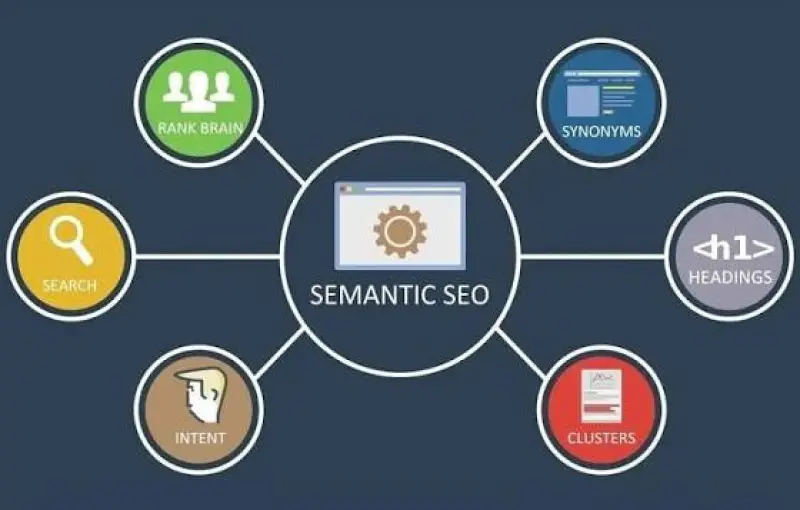
The Secret Power of Semantic HTML for On-Page SEO
Learn why semantic HTML is the hidden engine behind better rankings, how to audit and upgrade your p... Read More

Beyond Keywords: Crafting On‑Page Experiences That Rank
A deep dive into modern on‑page SEO that moves past keyword stuffing, focusing on user experience,... Read More
Mastering On‑Page SEO: A Sprint‑Focused Blueprint for Higher Rankings
A fast‑paced, sprint‑inspired guide to mastering on‑page SEO, from keyword intent to Core Web ... Read More
Top Posts
Micro‑Habits for Peak Health: Small Wins, Big Impact
Micro‑habits are bite‑sized actions that fit into a packed schedule, delivering big health benefits over time. Learn five proven habits, how to integrate si...Read More

Can You Leave Chargers Plugged In All the Time?
In our modern, tech-driven lives, chargers have become ubiquitous. Whether it’s for our smartphones, laptops, or other electronic devices, chargers are often ...Read More
The Untapped Power of Interactive Emails: A Playful Path to Higher Engagement
Learn why static newsletters are losing impact and how interactive, AI‑driven emails can boost engagement, improve list hygiene, and future‑proof your marke...Read More

Beyond the Dashboard: Building a Next‑Gen Digital Marketing Toolbox
Discover a fresh approach to digital marketing tools that focuses on real‑time intent signals, modular personalization engines, and revenue‑centric attribut...Read More
0 Comments
Post Comment
You will need to Login or Register to comment on this post!