

Why ChatGPT Is the Talk of the Town
Ever since OpenAI dropped the latest iteration of ChatGPT, my inbox has been flooded with frantic emails, excited DMs, and a steady stream of curiosity‑driven articles that all promise to decode the magic behind the model, and I’m here to cut through the noise with the same candid, no‑fluff voice that my readers have come to expect. In the past year I’ve watched developers, marketers, and even my own mother try to coax the AI into writing bedtime stories, drafting business plans, and answering trivia questions, and it’s astonishing how quickly this tool has migrated from novelty to indispensable coworker. What truly makes ChatGPT a trending phenomenon isn’t just its uncanny ability to generate human‑like prose, but the way it democratizes access to sophisticated language models, allowing anyone with a laptop and an internet connection to harness AI‑powered insight without a PhD in machine learning.
My First Conversation with ChatGPT
It was a rainy Tuesday in March when I first typed “Hey ChatGPT, give me a punchy tagline for my new blog post on sustainable living,” and the response that appeared on my screen felt oddly familiar, as if a witty colleague had just whispered a perfect one‑liner over a coffee break; the speed, the relevance, and the playful tone were exactly the ingredients I needed to spark my creative workflow. That moment made me realize that the real power of ChatGPT lies not merely in its raw output, but in its ability to adapt to my personal style—something I’ve cultivated over years of writing about home trends, eco‑friendly upgrades, and the occasional pet‑centric hack. From that point forward, I began treating the AI as a brainstorming partner, an on‑demand research assistant, and occasionally, a brutally honest editor who never hesitates to point out a clunky sentence or a missing comma.
ChatGPT Meets Real‑World Projects
Since that first experiment, I’ve woven ChatGPT into nearly every piece of content I produce, from detailed how‑to guides on pet‑friendly home renovations to in‑depth analyses of the latest web development trends, and the results have been nothing short of transformative. For instance, when I was drafting a comprehensive review of edge‑computing frameworks for the 2024 Web Development Playbook, the model helped me synthesize complex technical specifications into digestible analogies that even my non‑technical friends could appreciate, saving me countless hours of manual research and iteration. Moreover, ChatGPT’s ability to generate bullet‑point summaries, suggest SEO‑friendly headings, and even draft meta descriptions means I can focus more on strategic storytelling and less on repetitive grunt work, effectively amplifying my productivity without sacrificing quality.
Balancing Automation with Authenticity
One of the biggest concerns I hear from fellow creators is the fear that leaning too heavily on AI could dilute their unique voice, and that’s a valid worry—after all, authenticity is the cornerstone of any brand that hopes to build lasting trust with its audience. To combat this, I treat every AI‑generated draft as a rough sketch, a starting point that I then meticulously refine, injecting my own anecdotes, humor, and the occasional behind‑the‑scenes glimpse that only a human can provide. This hybrid approach allows me to keep the efficiency gains that ChatGPT offers while preserving the personal touch that resonates with readers, especially when I’m sharing stories about my own journey toward a more sustainable lifestyle or the quirky challenges of keeping a cat‑friendly garden.
Ethical Considerations in an AI‑First World
As I continue to integrate ChatGPT into my workflow, I remain vigilant about the ethical dimensions of AI usage, particularly around issues of bias, data privacy, and the potential for misinformation—topics that Karen Edwards explores in depth in her AI Insights series, which I highly recommend to anyone looking to deepen their understanding of responsible AI practices. I make a point to verify any factual claims the model produces, cross‑checking with reputable sources before publishing, and I always disclose when an excerpt has been generated or heavily assisted by an AI system. By being transparent with my audience, I not only uphold journalistic integrity but also foster a culture of informed skepticism, encouraging readers to question and verify rather than accept AI output at face value.
ChatGPT as a Learning Companion
Beyond content creation, I’ve discovered that ChatGPT can serve as an unexpected mentor, guiding me through unfamiliar topics with a patience that would make any human tutor jealous; whether I’m exploring the nuances of clean energy policy for a piece on Mei Chen’s industry insights or trying to decode the latest trends in competitive gaming for Tyler Johnson’s upcoming guide, the model can break down dense jargon into bite‑sized explanations that accelerate my learning curve. This capability has been especially useful when I need to pivot quickly—say, writing a timely post about a sudden shift in the shared hosting market—because I can ask follow‑up questions in real time and receive concise, relevant answers that keep me ahead of the curve.
Practical Tips for Getting the Most Out of ChatGPT
If you’re new to the platform or looking to sharpen your prompting skills, start by being explicit about the tone, length, and format you need; for example, specifying “write a 200‑word intro in a conversational tone with three bullet points” yields far more usable output than a vague “write something about sustainability.” Additionally, use system messages or context blocks to set the scene—telling the model that you’re a senior lifestyle blogger who loves pet‑friendly hacks will help it align its suggestions with your brand’s personality. Finally, don’t overlook the power of iterative refinement: generate a first draft, ask for alternatives, request a rewrite focusing on readability, and then polish the final version yourself. This back‑and‑forth dance turns a simple AI assistant into a collaborative partner that adapts to your evolving needs.
Looking Ahead: The Future of Conversational AI
While today’s ChatGPT is already a game‑changer, the roadmap for conversational AI points toward even more immersive experiences, such as multimodal models that can understand and generate images, audio, and video alongside text, opening doors to richer storytelling formats that blend blog posts with dynamic media. I anticipate a future where AI‑driven chat interfaces become embedded directly into content management systems, allowing writers to query data, generate outlines, and even schedule social media posts without leaving the editor—an integration that could redefine the very concept of “writing tools.” As these advancements roll out, staying curious, adaptable, and ethically grounded will be the keys to leveraging AI responsibly while continuing to deliver the human‑centric, insightful content my readers have come to rely on.

Shawn DesRochers is a certified Microsoft technician and Programmer with 30+ year's experience. He has written many reviews on computer related products, software, and SEO related topics. When he's not writing reviews he can be found at one of the Oldest Directories Online Blogging Fusion Business Directory which he is the CEO of.
Related Posts

ChatGPT as Your Everyday Creative Partner
Explore how ChatGPT transforms daily work—from idea generation and code snippets to mindful planni... Read More

ChatGPT as the Silent Decision‑Maker: Harnessing AI for Real‑World Business Flow
Discover how to embed ChatGPT into daily workflows, turning raw data into actionable insights and ma... Read More
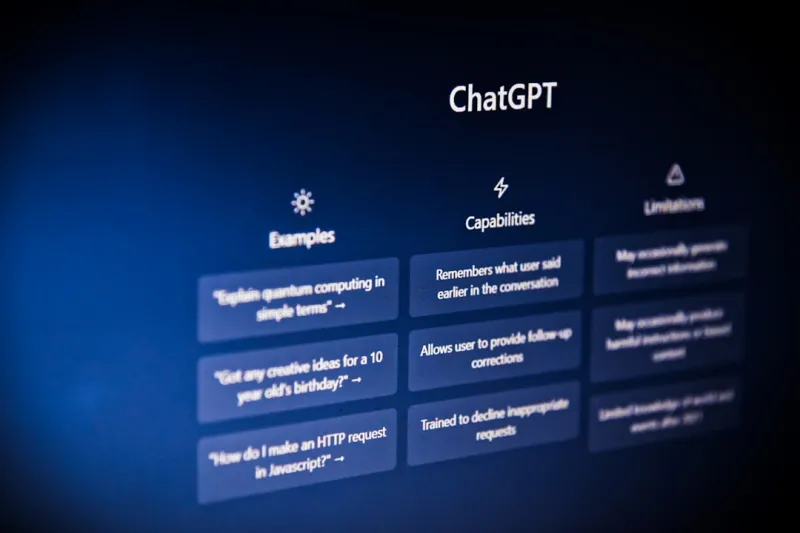
The Future of Conversational AI: How ChatGPT is Revolutionizing Human Interaction
ChatGPT is a game-changing technology that's enabling humans to interact with machines in more natur... Read More
Top Posts

The Symphony of the Sweet: How Bone Conduction is Redefining Auditory Consumption
For decades, the standard for personal audio has remained largely unchanged: a physical barrier between the outside world and the listener. Whether through over...Read More

Flexible Furniture Hacks: Maximizing Small Spaces with Style
Learn how to transform tiny rooms with multipurpose, fold‑away, and modular furniture that adapts to your lifestyle, all while staying chic and functional....Read More

The Intersection of Gardening and Sustainable Living: How My Green Thumb Shaped My Approach to Digital Strategy
Gardening has taught me valuable lessons about sustainable living and digital strategy. Learn how my green thumb has shaped my approach to technology and eco-fr...Read More
Reimagining Brand Identity in the Age of Distributed Teams
In a world where SaaS teams are globally distributed, brand consistency becomes a strategic necessity. This post reveals how to embed brand DNA into culture, de...Read More
0 Comments
Post Comment
You will need to Login or Register to comment on this post!