

Reimagining Conversation with AI
When I first opened a chat window with ChatGPT, I expected a clever novelty, not a partner that could reshape how I think about dialogue. The experience quickly turned into a lesson in active listening—the model asks clarifying questions, mirrors my language, and even picks up on subtle cues that I hadn’t realized were there. This isn’t just a static Q&A; it feels like a living brainstorming session where ideas bounce back and forth, sharpening themselves with each exchange. The result is a conversation that feels less like a transaction and more like a collaborative jam, opening doors to insights that would have taken hours of solo research to uncover.
What makes this dynamic so powerful is the model’s ability to retain context across turns, creating a thread of continuity that mirrors human memory. I can start with a vague notion about “sustainable storytelling,” and within a few prompts, ChatGPT has mapped out a framework, suggested case studies, and even drafted a compelling opening paragraph. This depth of continuity lets me experiment without fear of losing momentum, a feature that feels especially valuable for creators who juggle multiple projects simultaneously. By treating the AI as a “thinking partner,” I’ve discovered a new rhythm to my workflow that feels both efficient and surprisingly human.
In practice, I’ve found that tweaking the tone prompts can transform the entire mood of the exchange. A simple instruction like “use a conversational, friendly voice” yields a warm, approachable style, whereas “write in a formal, academic tone” produces a polished, research‑ready output. This flexibility lets me align the AI’s output with the intended audience, whether I’m drafting a casual blog post or a technical white paper. The ability to toggle tone on the fly means I no longer need separate drafts for each style; a single conversation can spawn multiple versions, each fine‑tuned for its purpose.
From Draft to Dialogue: Using ChatGPT in Everyday Projects
One of my favorite daily rituals now involves asking ChatGPT to serve as a brainstorming catalyst for my content calendar. I start with a broad theme—say, “community‑driven innovation”—and the model instantly generates a list of sub‑topics, catchy headlines, and even suggested interview questions for potential podcast guests. This rapid ideation phase cuts down the time I’d normally spend scrolling through endless articles, and it gives me a fresh perspective that often includes angles I hadn’t considered. The result is a more vibrant, diversified pipeline of ideas that keeps my audience engaged.
Beyond writing, I’ve begun to lean on ChatGPT for lightweight coding assistance, especially when I’m tweaking a WordPress site. A quick prompt like “show me a snippet to lazy‑load images” returns clean, ready‑to‑paste code along with a brief explanation of how it improves page speed. The model’s suggestions are concise enough to test in minutes, and they often align with best practices highlighted in resources such as the hidden ROI of managed WordPress hosting. This synergy between AI and platform expertise has turned what used to be a frustrating debugging session into a smooth, educational experience.
When it comes to personal organization, ChatGPT has become my digital concierge. I feed it my calendar commitments, and it helps me prioritize tasks by suggesting time‑blocking strategies, flagging potential conflicts, and even drafting polite emails for meeting reschedules. The model can also generate weekly habit trackers tailored to my goals—whether that’s reading more books, exercising consistently, or exploring new recipes. By offloading these mundane planning steps, I reclaim mental bandwidth for the creative work that truly matters, and I’ve noticed a measurable boost in productivity and satisfaction.
Ethical Playbook: Keeping Your AI Companion Grounded
As much as I love the convenience, I’m constantly reminded that ChatGPT reflects the data it was trained on, which means bias can slip in unnoticed. To counteract this, I make it a habit to ask the model to “list potential blind spots” after it generates a draft, especially on topics that touch on culture, gender, or socioeconomic status. This self‑audit step surfaces hidden assumptions and prompts me to verify facts with reputable sources before publishing. It’s a simple yet effective guardrail that keeps the output honest and inclusive.
Data privacy is another cornerstone of my AI workflow. I never share sensitive personal or client information in prompts, treating each interaction as if it were a public forum. Instead, I abstract details—using placeholders like “[Client X]” or “the project’s core metrics”—to preserve confidentiality while still receiving useful guidance. This practice aligns with broader industry concerns and ensures that my reliance on AI doesn’t compromise the trust I’ve built with collaborators.
Looking ahead, I see a future where AI partners become habit‑forming tools, nudging us toward better decisions without overstepping. Imagine a scenario where ChatGPT reminds you to take a short walk after a marathon writing session, or suggests a quick mindfulness break when your language patterns indicate stress. By embedding ethical prompts—such as “offer a wellness suggestion if the user’s tone becomes frantic”—we can shape AI that supports holistic well‑being, turning a powerful technology into a responsible ally in both work and life.

Jody Henderson is a passionate freelance writer, driven by a love for storytelling and a keen eye for detail. With a versatile skillset, she crafts compelling content across a variety of niches, from engaging blog posts to informative articles and persuasive marketing copy.
Related Posts
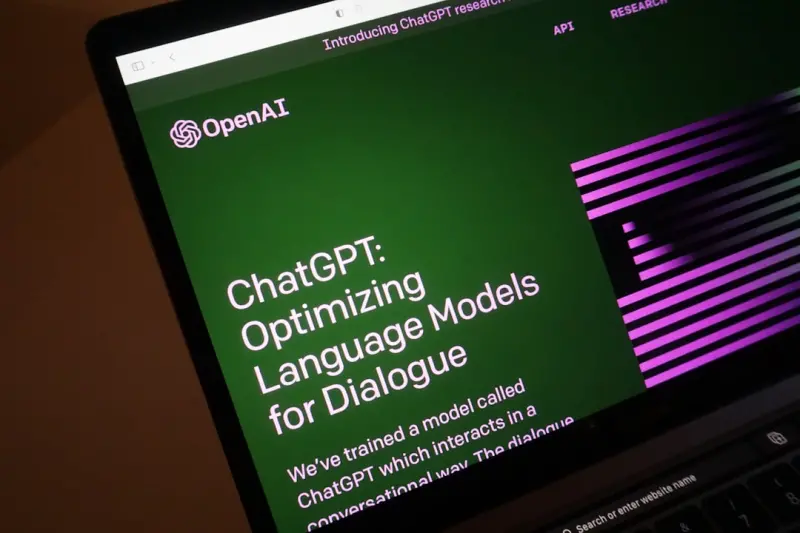
ChatGPT as Your Everyday Storytelling Sidekick
Explore how ChatGPT can become a creative co‑pilot, helping you brainstorm, refine voice, and stre... Read More
ChatGPT Unleashed: My Journey from Curiosity to Everyday Co‑Writer
Shawn DesRochers shares his hands‑on experience with ChatGPT, offering practical tips, ethical con... Read More
ChatGPT as the Quiet Co‑Pilot for B2B SaaS Product Discovery
Laura Wilson shares her hands‑on experience turning ChatGPT into a quiet co‑pilot for product di... Read More
Top Posts

The Role of Social Media in Your Website SEO
In the ever-evolving digital landscape, the relationship between social media and Search Engine Optimization (SEO) has been a subject of continuous debate. For ...Read More

Dedicated Hosting: The Unsung Hero Behind Enterprise SaaS Scaling
Dedicated hosting provides exclusive resources, predictable performance, and enhanced security—key factors that drive revenue, compliance, and developer produ...Read More

How AI is Transforming the Live Stadium Experience
Artificial intelligence is redefining every touchpoint of the live stadium experience—from personalized fan journeys and dynamic pricing to real‑time safety...Read More

Bringing the Outdoors In: How Biophilic Design Transforms Modern Interiors
Discover the power of biophilic design—using plants, natural light, water, and organic textures—to create healthier, more inspiring interiors for homes, off...Read More
0 Comments
Post Comment
You will need to Login or Register to comment on this post!