
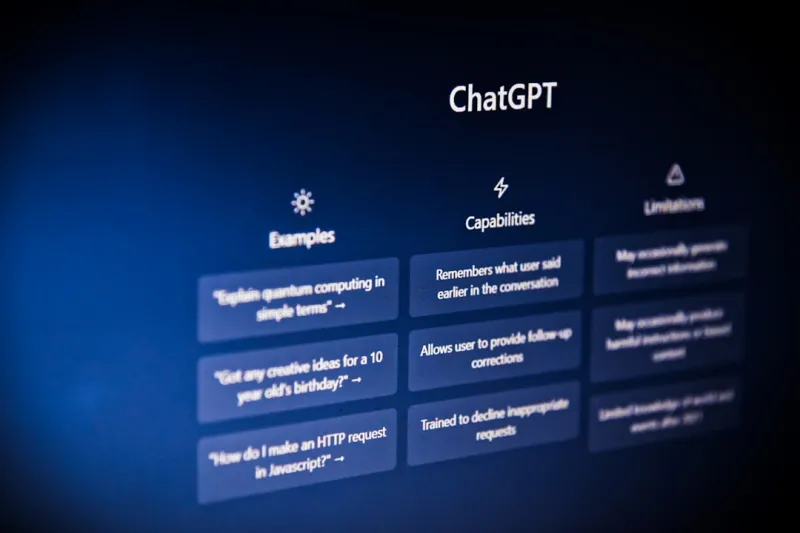
The Future of Conversational AI: How ChatGPT is Revolutionizing Human Interaction
As I sit here, conversing with you through this article, I'm reminded of the incredible advancements in conversational AI. One technology that's been making waves in recent times is ChatGPT, a powerful language model that's changing the way we interact with machines. In this article, I'll explore the capabilities of ChatGPT, its potential applications, and what the future holds for this exciting technology.
ChatGPT is a type of artificial intelligence designed to understand and respond to human language. It's trained on a massive dataset of text from the internet, allowing it to learn patterns and relationships in language. This enables it to generate human-like responses to a wide range of topics and questions. I've had the chance to experiment with ChatGPT, and I'm blown away by its ability to engage in natural-sounding conversations. For instance, I asked ChatGPT to explain the concept of emotional intelligence, and it provided a detailed response that highlighted the importance of self-awareness and empathy.
The Power of Conversational AI
Conversational AI has the potential to revolutionize the way we interact with machines. Imagine being able to talk to your computer, smartphone, or even your home assistant like you're talking to a friend. ChatGPT is making this a reality. With its ability to understand natural language, ChatGPT can help people with a wide range of tasks, from answering questions to generating creative content. For example, I used ChatGPT to generate a short story, and the result was impressive. The story was coherent, engaging, and demonstrated a clear understanding of the prompt.
One of the most exciting applications of ChatGPT is in the field of customer service. Imagine being able to interact with a chatbot that can understand your concerns and provide helpful responses. This could save businesses time and resources, while also improving the customer experience. As email marketing continues to evolve, ChatGPT could play a key role in helping businesses personalize their communications with customers.
The Future of ChatGPT
So, what does the future hold for ChatGPT? As the technology continues to evolve, we can expect to see even more advanced capabilities. For instance, ChatGPT could be integrated with other AI technologies, such as computer vision, to enable more sophisticated interactions. Imagine being able to talk to a virtual assistant that can understand your surroundings and provide context-specific responses. The possibilities are endless, and it's exciting to think about the potential applications of this technology.
As AI technologies like Google Gemini continue to advance, we can expect to see more emphasis on developing AI that can understand and interact with humans in a more natural way. ChatGPT is at the forefront of this movement, and it's exciting to think about the potential impact it could have on our daily lives.
The Impact on Mental Health
As we continue to interact with machines in more human-like ways, it's essential to consider the potential impact on our mental health. ChatGPT and other conversational AI technologies have the potential to both positively and negatively impact our mental wellbeing. On the one hand, ChatGPT could provide a sense of connection and community for people who are isolated or struggling with mental health issues. On the other hand, over-reliance on technology could exacerbate feelings of loneliness and disconnection. As we continue to navigate the intersection of technology and mental health, it's essential to prioritize strategies that promote healthy interactions with technology.
The Potential for Creative Collaboration
One of the most exciting applications of ChatGPT is in the field of creative collaboration. Imagine being able to brainstorm ideas with a machine that can understand and respond to your creative vision. ChatGPT could be used to generate ideas, provide feedback, and even help with the creative writing process. This could revolutionize the way we approach creative projects, enabling us to work more efficiently and effectively.
The Limitations and Challenges
While ChatGPT has shown incredible promise, it's essential to acknowledge its limitations and challenges. One of the main concerns is the potential for bias in the training data, which could result in ChatGPT generating responses that are inaccurate or insensitive. Additionally, there are concerns about the potential for ChatGPT to be used for malicious purposes, such as generating spam or phishing emails.
The Future of Human-AI Collaboration
As ChatGPT and other AI technologies continue to advance, we can expect to see more emphasis on developing human-AI collaboration tools. This will enable humans and machines to work together more effectively, leveraging the strengths of both to achieve common goals. ChatGPT is at the forefront of this movement, and it's exciting to think about the potential applications of this technology.
Conclusion
In conclusion, ChatGPT is a powerful technology that's changing the way we interact with machines. Its potential applications are vast, ranging from customer service to creative collaboration. As we continue to explore the capabilities of ChatGPT, it's essential to consider the potential impact on our mental health and wellbeing. By prioritizing healthy interactions with technology and leveraging the strengths of both humans and machines, we can unlock the full potential of ChatGPT and create a brighter future for all.
The evolution of ChatGPT also highlights the need for ongoing research and development in the field of AI. As we continue to push the boundaries of what's possible with AI, we must also prioritize strategies that promote transparency, accountability, and ethics in AI development.
Ultimately, the future of ChatGPT and other conversational AI technologies holds much promise. By continuing to explore the possibilities and challenges of these technologies, we can create a future where humans and machines collaborate more effectively, leading to improved outcomes for all.

Karen Edwards is a seasoned freelance writer with a passion for all things furry, feathered, and scaled. With a dedicated focus on pets, she brings a wealth of knowledge and a keen eye for detail to her writing.
Related Posts
ChatGPT: The Silent Co‑Founder of Your SaaS Strategy
ChatGPT can become a silent co‑founder for SaaS teams, turning prompts into actionable insights, s... Read More

ChatGPT Is the Unexpected Co‑Founder of Modern SaaS Conversations
ChatGPT isn’t just a chatbot—it’s a co‑architect that reshapes SaaS ideation, support, story... Read More
ChatGPT as a Personal Decision‑Making Coach: Turning Conversation Into Action
Learn to transform ChatGPT from a novelty into a trusted decision‑making coach with practical fram... Read More
Top Posts

Building a Human‑Centric Brand for Distributed SaaS Teams
A fresh look at branding: strategies for SaaS companies to create authentic, purpose‑focused identities that thrive in today’s distributed work environment....Read More
A Fresh Playbook for Everyday Kids Safety
Learn how to turn safety into a family story, create child‑friendly emergency kits, and teach digital vigilance—all while building confidence and peace of m...Read More

From the Bench to the Boardroom: How Data-Driven Training Is Redefining Modern Sports
A deep dive into how real‑time metrics, low‑code analytics, and a culture that blends intuition with data are reshaping training, injury prevention, and str...Read More

Why Baby Sign Language Is the Secret Weapon for Modern Parents
Signing with your baby transforms frustration into connection, cutting tantrums and fostering early language skills. Learn step‑by‑step how to start and why...Read More
0 Comments
Post Comment
You will need to Login or Register to comment on this post!