
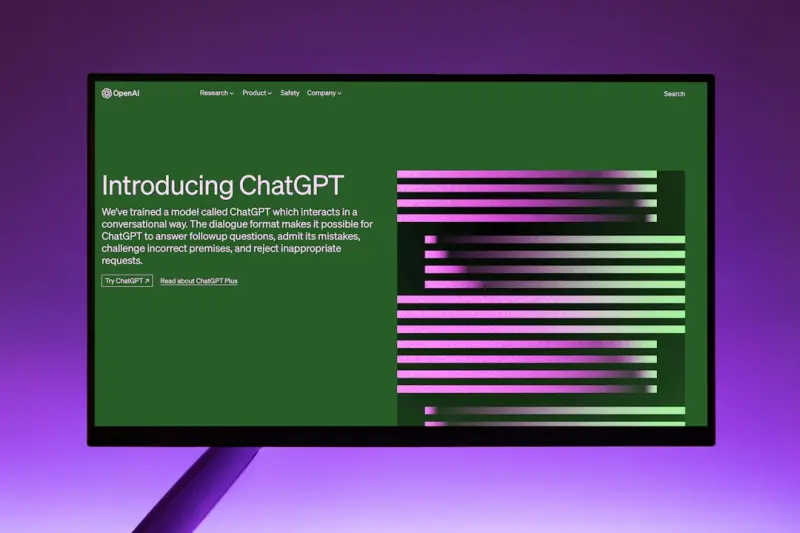
Reframing ChatGPT as Your Personal Decision‑Making Coach
When I first started dabbling with ChatGPT, I imagined it as a clever assistant for drafting blog outlines and polishing copy, but the real revelation arrived when I asked it to help me untangle a stubborn career crossroad, and the AI responded not with a templated answer but with a nuanced set of probing questions that forced me to confront the assumptions I’d been glossing over. That moment sparked a curiosity that has since evolved into a daily habit: treating ChatGPT as a personal strategist, a mirror that reflects my own logic back at me, while simultaneously sprinkling in data‑driven perspectives that I would never have unearthed on my own. In this post I’ll walk you through the exact frameworks I use to turn a conversational AI from a novelty into a trusted ally for life‑level decisions, and show how you can start leveraging that power without needing a developer’s toolkit.
ChatGPT as a Structured Sounding Board
Traditional brainstorming sessions rely on human partners who may echo our biases or run out of patience; ChatGPT, by contrast, can sustain an indefinite line of inquiry, re‑framing each point with fresh terminology that helps us see blind spots. I begin every “big‑think” session by feeding the model a concise summary of the dilemma, then ask it to list three alternative perspectives, each anchored in a different discipline—psychology, economics, and design thinking—so the conversation stays multidimensional. After the AI surfaces those angles, I challenge it to rank the trade‑offs using a simple weighted matrix, which instantly converts abstract worries into concrete scores I can compare side by side.
Embedding Behavioral Science into Your Daily Routines
One of the most powerful ways I’ve harnessed ChatGPT is by turning it into a habit‑formation partner that draws on proven behavioral nudges to keep me on track without feeling micromanaged. I ask the model to design a “micro‑commit” plan for a new habit—say, reading a chapter before bed—then request a daily reminder phrased as a question rather than a command, which research shows boosts intrinsic motivation. Over the course of a week the AI also suggests tiny environmental tweaks, like moving my book to the nightstand, that subtly reshape cues and make the habit feel inevitable rather than forced.
Turning Information Overload into Insightful Summaries
In an era where every swipe brings a new article, report, or video, I rely on ChatGPT to act as a personal curator, distilling dozens of sources into a single, coherent narrative that respects the original intent. I feed the model a list of URLs or copy‑pasted excerpts, then ask it to produce a “key‑takeaways” table that highlights common themes, contradictory data points, and actionable steps—much like the process I use when creating content for hyper‑personalized content marketing campaigns. This approach not only saves me hours of reading but also surfaces insights that would have remained hidden in the noise, allowing me to make strategic decisions with confidence.
ChatGPT as a Real‑Time Research Assistant for Side Projects
When I launch a side venture—whether it’s a niche newsletter or a prototype app—I treat ChatGPT as my co‑founder in the research phase, asking it to map out market size, identify early adopters, and even draft a lean canvas in under ten minutes. The model can pull together public data, synthesize competitor analyses, and suggest validation experiments that align with my budget constraints. By iterating the prompt with follow‑up questions, I refine the output until I have a polished one‑pager ready for investors, all without leaving my desk.
Managing Privacy and Trust While Leveraging AI
Even as I revel in the convenience of a conversational partner, I remain vigilant about the data I share, especially when discussing personal finances or health goals. I adopt a two‑layer strategy: first, I anonymize any sensitive details before feeding them to the model; second, I store the AI‑generated suggestions in an encrypted note‑taking app, treating the output as a draft rather than a final decision. This habit mirrors the broader industry conversation about responsible AI use, reminding me that the technology’s power must be balanced with thoughtful safeguards.
Future‑Proofing Your Workflow with Integrated Tools
The next frontier, in my view, lies in stitching ChatGPT into the very fabric of our personal data ecosystems—calendars, task managers, and even ad platforms—so the AI can proactively surface opportunities before we even think to ask. Imagine a scenario where your budgeting app flags an upcoming subscription renewal, and ChatGPT automatically drafts a negotiation script informed by the latest predictive bidding and conversational ads trends, giving you a competitive edge without manual research. By setting up simple webhooks or using no‑code automation tools, you can create a feedback loop where the AI continuously refines its recommendations based on real‑world outcomes.
Getting Started: A Quick‑Start Checklist
Ready to put these ideas into practice? Below is a three‑step checklist that will help you embed ChatGPT into your decision‑making process without feeling overwhelmed:
- Define a clear prompt structure: Start with a concise problem statement, then add “provide three perspectives” and “rank trade‑offs using a weighted matrix.”
- Integrate habit loops: Ask the model to generate micro‑commit reminders framed as questions, and schedule them in your favorite task app.
- Automate summarization: Feed the AI a weekly batch of articles and request a “key‑takeaways” table, then review it every Sunday to guide your next week’s priorities.
By treating ChatGPT as an extension of your own critical thinking, you’ll discover that the AI isn’t just a tool for content creation—it becomes a trusted confidant that sharpens your judgment, amplifies your productivity, and ultimately helps you live a more intentional, insight‑driven life.

Freelance writer with a flare for everything. I am passionate about topics I write crafting stories and compelling content that connect with audiences. Journeying through the realms of creativity as a freelance creator. #WriterLife #ContentCreator
Related Posts

ChatGPT as the Hidden Backbone of B2B SaaS Knowledge Work
ChatGPT is becoming the silent workhorse behind B2B SaaS knowledge workflows, from instant documenta... Read More
ChatGPT in 2026: My Insider Playbook for AI‑Driven Content Mastery
Discover my 2026 playbook for leveraging ChatGPT to boost productivity, create sustainable content, ... Read More

ChatGPT Is the Unexpected Co‑Founder of Modern SaaS Conversations
ChatGPT isn’t just a chatbot—it’s a co‑architect that reshapes SaaS ideation, support, story... Read More
Top Posts
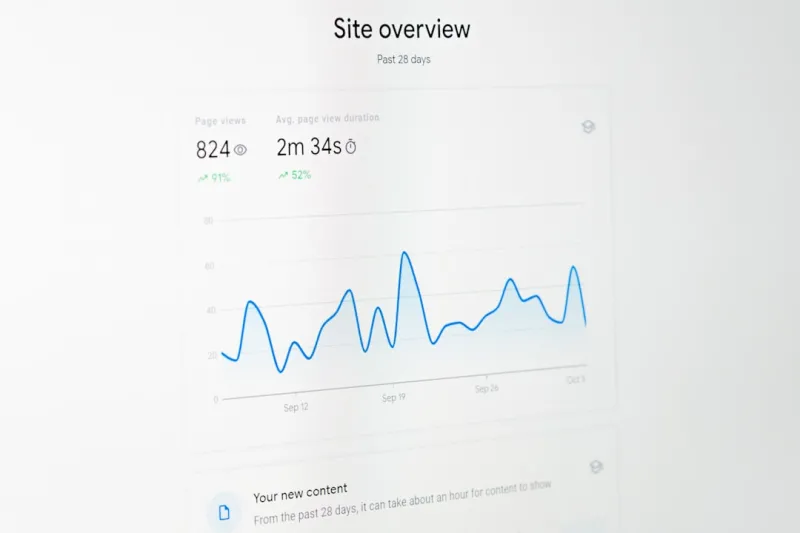
Bing SEO: A Comprehensive Guide to Optimizing for Bing
Learn the ins and outs of Bing SEO and develop a comprehensive strategy to improve your online presence, drive more traffic, and boost conversions....Read More
Turn Your Content Engine into an Experiment Lab
Learn to transform your content strategy into a dynamic experiment lab, using hypotheses, quick tests, and community co‑creation to drive measurable growth an...Read More

Protecting Your Property From Road Salt Damage
As winter sets in, the annual tradition of applying rock salt (sodium chloride) to roads and sidewalks begins. While crucial for public safety and mobility, thi...Read More

Weaving Personal Storytelling into Home Decor
Explore fresh ways to infuse personal stories into every room, from meaningful focal pieces to sustainable textures, creating a home that truly reflects who you...Read More
0 Comments
Post Comment
You will need to Login or Register to comment on this post!