
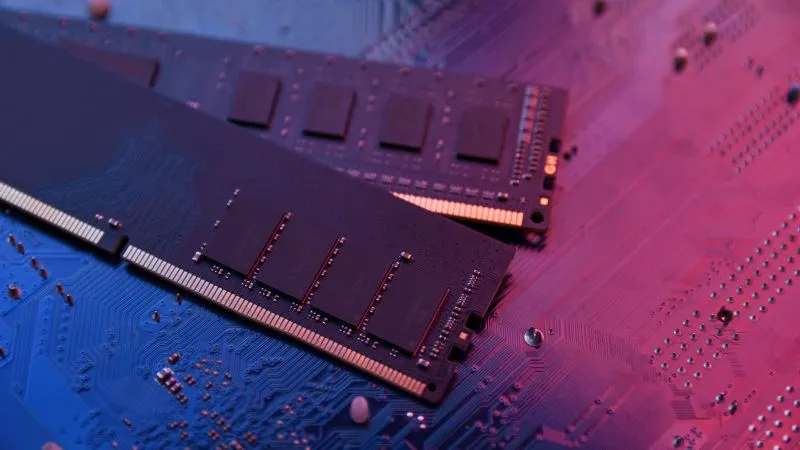
For the past few years, PC enthusiasts have watched the volatile landscape of computer components with growing concern. If you have tried to build a new gaming rig or upgrade your current workstation, you have likely felt the sting of RAM prices firsthand. It feels like every time you add a set of modules to your cart, the total climbs higher. The phenomenon often referred to as RAMageddon has left many wondering why component prices remain stubbornly high despite fluctuations in other markets.
Understanding the current state of the industry requires looking beyond simple supply and demand. We are witnessing a perfect storm of manufacturing bottlenecks, shifting consumer technologies, and global logistical challenges. In this article, we will break down exactly why you are paying more for memory today and what the future might hold for your hardware budget.
The Complexity of Semiconductor Manufacturing
At the core of the issue is the incredibly precise science behind manufacturing memory chips. Unlike consumer goods that can be mass-produced in simple factories, memory requires extreme environments. A cleanroom used for creating DRAM (Dynamic Random Access Memory) must be thousands of times cleaner than an operating room.
Even a microscopic speck of dust can ruin an entire silicon wafer. When major factories experience outages or production defects, the ripple effect on the global supply chain is immediate. This contributes significantly to the overall Memory Cost that retailers pass on to the end consumer.
The Shift to DDR5 Technology
The industry is currently in the middle of a major transition from DDR4 to DDR5. New standards always bring a "new tech premium" that consumers are forced to pay. As manufacturers retool their assembly lines to accommodate the higher frequency and efficiency of DDR5, the supply of older modules often tightens.
This transition forces buyers into a difficult position. If you are building a modern system, you are essentially paying for the R&D costs of the new standard. This is one of the primary reasons why you might find a high-capacity kit to be such an Expensive RAM investment compared to the modules you bought five years ago.
Global Supply Chain and Logistical Hurdles
The global pandemic exposed just how fragile the technology supply chain really is. While many industries have recovered, the semiconductor market is still reeling from long-term logistical disruptions. Raw materials like high-purity silicon and specialized gases are not always readily available in the quantities manufacturers require.
Transportation costs for shipping hardware across the ocean have also spiked. When you add up the cost of raw materials, energy-intensive fabrication, and international logistics, the retail price of your memory components begins to make more sense, even if it is painful for your wallet.
Geopolitical Tensions and Trade Policies
Technology is inherently geopolitical. Trade wars and export restrictions play a massive role in how much memory makes it to your local computer store. When countries impose tariffs on microchips or raw electronic components, the additional costs are rarely absorbed by the corporations themselves.
Instead, these costs are pushed down the chain to the system integrators and, ultimately, the gamers. These trade policies can create artificial scarcities in specific regions, making certain brands of memory modules fluctuate in price overnight.
Is RAMageddon Ever Going to End?
Predicting the future of hardware pricing is notoriously difficult, but industry analysts offer some insights into potential relief. As fabrication facilities ramp up production of DDR5, the yields improve. Higher yields mean less waste, which eventually allows manufacturers to lower their price points without sacrificing profit margins.
However, gamers should not expect a return to the historic lows of the past. As modern games demand higher capacities and faster speeds to run smoothly, the baseline requirements for a decent gaming experience have shifted upward. You are not just paying more; you are often buying hardware that is significantly more complex than the memory of yesteryear.
Tips for Optimizing Your Hardware Budget
Since memory prices are largely out of your control, the best strategy is to become a smarter shopper. Gaming builds often fall into the trap of overspending on aesthetics rather than performance. If you are struggling with current prices, consider the following strategies:
- Focus on capacity over frequency if you are a content creator or multitasker.
- Look for sales on previous generation hardware if you are not chasing the latest benchmark records.
- Compare the price-per-gigabyte rather than focusing solely on the total retail price.
- Avoid purchasing "premium" kits with aggressive RGB lighting if your primary goal is performance-per-dollar.
The Role of Data Centers and Enterprise Demand
It is important to remember that gamers are not the only ones competing for memory. The explosion of Artificial Intelligence (AI) and cloud computing has created a massive, insatiable hunger for high-speed RAM. Large data centers consume a significant portion of the global output from memory manufacturers.
When a tech giant orders millions of units for their server farms, they naturally get priority over retail consumers. This enterprise demand creates a consistent floor for pricing that keeps the market elevated. As long as AI development continues to accelerate, the pressure on the global supply of memory will likely remain constant.
Understanding Performance Metrics
If you are frustrated by the high cost of components, it helps to understand what you are actually paying for. Performance is defined by two primary factors: frequency and latency. Higher frequency allows for faster data throughput, while lower latency determines how quickly the module can respond to requests.
Marketing teams often highlight high clock speeds because they look great on a box. However, a "mid-tier" kit with tight timings can often outperform a more expensive, high-frequency kit. By understanding these technical specifications, you can avoid buying into marketing hype and find the best value for your specific gaming needs.
Final Thoughts on the Hardware Landscape
RAMageddon is a complex issue with no single solution. It is the result of technological evolution, global economic shifts, and the simple fact that modern computing requires more resources than ever before. While it is frustrating to see high prices, the performance gains we have seen in recent years are undeniable.
The best advice for any gamer is to build with longevity in mind. Instead of upgrading in small increments, investing in a stable platform that supports the latest standards can save you money in the long run. Keep an eye on market trends, shop during major sales events, and prioritize the components that actually impact your frame rates.
As we look forward, the memory industry will eventually stabilize as production capacities catch up to the massive global demand. Until that happens, the best way to handle the situation is to remain informed and patient. Your dream gaming setup is still within reach, provided you plan your purchases strategically and focus on what truly matters for your specific gaming style.
Remember that hardware is a tool to facilitate your hobby. While the cost of entry might be higher than it was in previous years, the immersive experiences provided by modern gaming continue to justify the investment for many enthusiasts. Stay tuned to hardware news, look for deals, and do not let the market volatility deter you from building the PC of your dreams.
Ultimately, the market will dictate the price, but your budget remains under your control. By diversifying where you shop and being willing to wait for the right opportunities, you can successfully navigate these expensive times. The hardware market is a cycle, and savvy builders know how to ride the waves rather than getting caught in the undertow.

Jim Pearse, a seasoned freelance writer, brings a wealth of knowledge and passion to the world of home and garden. From the intricacies of landscaping to the nuances of interior design, Jim delves into every aspect of creating comfortable, beautiful, and functional living spaces.
Related Posts

When Your Laptop Becomes Your AI Co‑Pilot
Explore the rise of AI‑integrated laptops, from hardware NPUs and modular upgrades to privacy‑fi... Read More

Silent Power: How Laptop Design Is Shaping the Modern Workspace
A deep dive into the often‑overlooked aspects of laptop design—heat management, quiet keyboards,... Read More

Modular Laptops: Building a Future‑Proof, Sustainable Workstation
Modular laptops let you swap compute, battery, and I/O components, offering a sustainable, cost‑ef... Read More
Top Posts

Shop Smarter in 2026: Trends, Tech, and Sustainable Splurges
Discover how AI, sustainability, and immersive tech are redefining shopping in 2026, with actionable tips and insider playbooks to elevate your buying experienc...Read More

Why Shared Hosting is the Secret Weapon for Agile Startups
Shared hosting isn’t a compromise—it's a strategic launchpad. Learn how cost‑effective plans, performance tweaks, and security features empower agile star...Read More

Designing a Mood‑Boost Home: How Color, Light, and Sound Transform Everyday Spaces
A practical guide to creating a home that supports mental health through intentional color choices, adaptive lighting, acoustic comfort, smart storage, and biop...Read More

Edge‑First Web Development: Rethink Your Architecture
Edge‑first architecture moves compute to the network’s edge, offering lower latency, built‑in security, and compliance benefits. This article explains the...Read More
0 Comments
Post Comment
You will need to Login or Register to comment on this post!