
Why Your Home Needs a Mood‑Boost Makeover
When I first walked into my newly‑renovated kitchen, I felt a subtle lift—like the space was whispering, “Welcome back, you’ve earned this.” It wasn’t the glossy cabinets or the state‑of‑the‑art appliances that did it. It was the intentional choreography of color, sound, and light that turned a functional room into a mood‑enhancing sanctuary. Home improvement has long been about fixing leaks or adding square footage. Today, the frontier is far more personal: we’re designing environments that actively improve our mental well‑being.
The Science Behind Mood‑Centric Design
Neuroscience tells us that our surroundings shape hormone levels, heart rate, and even decision‑making. Warm hues can trigger dopamine release, while cool blues calm the nervous system. Acoustic panels absorb the chaos of a bustling household, letting conversations flow without strain. And light—especially natural light—regulates circadian rhythms, which in turn influence sleep quality and productivity.
When we approach a remodel with these variables in mind, we’re not just investing in aesthetics; we’re investing in our health. Think of it as a low‑maintenance wellness program that works 24/7, without a monthly subscription.
Step 1: Mapping the Emotional Landscape of Each Room
Before the first hammer swings, I sit down with a notebook (or my favorite note‑taking app) and ask four questions for every space:
- What primary activity will occur here? Cooking, working, relaxing?
- Which emotion should dominate? Energy, calm, focus?
- What time of day is the room most used? Morning, evening, all day?
- Are there existing architectural constraints? Windows, ceiling height, traffic flow?
Answering these questions creates a simple “emotional blueprint.” For a home office, you might aim for focus and motivation; for a bedroom, serenity and restfulness. This blueprint becomes the compass for every design decision that follows.
Step 2: Color Theory Meets Personal Preference
Colors are more than paint chips on a swatch board—they’re psychological triggers. Here’s a quick cheat sheet I use:
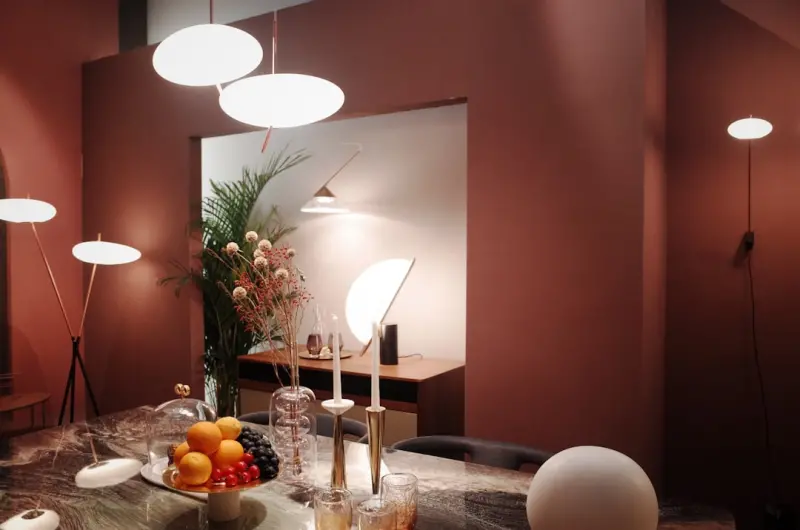
- Sunset orange or amber: Boosts creativity and social interaction. Perfect for dining rooms or open‑plan kitchens.
- Deep navy or teal: Encourages concentration, ideal for study nooks or home offices.
- Soft sage or muted green: Invokes calm, making it a top choice for bathrooms and bedrooms.
- Warm greys and taupes: Provide a neutral canvas that lets furniture and artwork shine, suitable for living rooms.
But don’t ignore personal taste. If you adore the calm of a beach sunrise, a pale peach may feel more inviting than a clinical grey, even if the science suggests otherwise. The goal is to blend evidence‑based recommendations with the colors that resonate with you.
Step 3: Harnessing Light as a Design Tool
Light is the most dynamic element in any home. It changes with the seasons, the time of day, and even weather. To make it work for you, consider three layers:
- Ambient lighting—the overall illumination. LED recessed fixtures with dimmers give you control over intensity.
- Task lighting—focused light for specific activities, like under‑cabinet LEDs in the kitchen or a sleek desk lamp in the office.
- Accent lighting—highlights architectural details or artwork, adding depth and visual interest.
For a deeper dive on integrating lighting with technology, check out our guide on adaptive lighting strategies. It covers everything from motion‑sensing LEDs to color‑temperature adjustments that sync with your sleep schedule.
Step 4: Acoustic Comfort—Silencing the Unwanted Noise
Most homeowners overlook sound, yet it’s a silent saboteur of tranquility. Hard surfaces bounce sound, creating echo chambers that make even a quiet conversation feel loud. Here’s how to tame the acoustics:
- Install acoustic panels on walls opposite hard surfaces. Fabric‑wrapped panels add texture and style.
- Use area rugs and padded flooring in high‑traffic zones to absorb footfall noise.
- Choose soft‑close hardware for cabinets and drawers to eliminate the “clunk” that can become irritating over time.
Even a modest budget can achieve a noticeable difference—think a couple of well‑placed panels and a plush rug in the living area.
Step 5: Smart Storage—Keeping the Space Clutter‑Free
Clutter is the visual equivalent of stress. A tidy environment supports the emotional tone you’ve set. While my project focuses on mood, it can’t ignore functionality. I love how smart storage solutions can blend seamlessly into a design without becoming a focal point. Here are three ideas that keep the aesthetic clean:
- Built‑in pull‑out pantry shelves—maximizes vertical space and hides everyday items.
- Under‑stair drawers—turns dead space into hidden compartments for shoes or seasonal gear.
- Floating wall cabinets—provides storage while maintaining an open feel, especially useful in loft‑style living rooms.
Step 6: Integrating Biophilic Elements
Bringing nature indoors does more than look Instagram‑worthy; it reduces cortisol levels and improves air quality. Consider these simple biophilic upgrades:
- Living walls—vertical gardens that double as art pieces.
- Large‑leaf houseplants—like fiddle‑leaf figs or snake plants, which thrive on minimal care.
- Natural materials—exposed wood beams, stone countertops, and bamboo flooring create tactile connections to the outdoors.
Even a small herb garden on a windowsill can make a kitchen feel fresher and more connected to the season.
Step 7: Technology That Serves Mood, Not the Other Way Around
Smart home devices are often marketed as conveniences, but they can also be mood enhancers. Imagine a voice‑controlled routine that dims the lights, plays a soft acoustic playlist, and adjusts the thermostat to a cozy 72°F the moment you say, “I’m home.” Or a wall‑mounted tablet that lets you switch between “Focus” (bright white light, no music) and “Relax” (warm amber light, ambient soundscape) with a tap.
When choosing tech, prioritize interoperability. Devices that speak the same language (e.g., via Zigbee or Matter protocols) reduce the friction of setting up complex scenes. The end result is an ecosystem that feels like a natural extension of your emotional blueprint.
Step 8: Budgeting for Emotional ROI
It’s tempting to focus solely on square footage and material costs, but the true return on investment (ROI) for mood‑centric renovations is intangible—better sleep, higher productivity, fewer headaches. To quantify it, I recommend a simple method:
- Identify baseline metrics—average hours of sleep, work output, or stress levels before renovation.
- Assign a monetary value—e.g., a lost night of sleep might cost $150 in productivity loss.
- Track changes post‑renovation—use a journal or health app for a month to see improvements.
- Calculate ROI—compare the added value to the project’s cost.
Even a modest $5,000 remodel can yield a perceived ROI of 200% if it improves sleep quality by just one night per week.
Step 9: Sustainable Choices That Support Well‑Being
While the post title steers clear of “sustainable” jargon, sustainability naturally dovetails with mood‑enhancing design. Low‑VOC paints improve indoor air quality, while energy‑efficient windows let in more natural light without sacrificing temperature control. These choices reduce the hidden stressors that can subtly erode a home’s emotional health.
Step 10: The Final Walk‑Through—Testing Your Emotional Blueprint
Once construction is complete, I conduct a “feel‑test.” I spend 10 minutes in each room, noting my immediate emotional response. Does the living room feel inviting? Is the home office stimulating enough? If something feels off, minor tweaks—like swapping a lamp shade or adding a rug—can fine‑tune the experience.
Remember, a home is a living organism. Your needs evolve, and your space should adapt with you. The emotional blueprint isn’t a one‑time contract; it’s a living document you revisit each year.
Conclusion: A Home That Works for Your Mind, Not Against It
Home improvement has graduated from the realm of brick‑and‑mortar upgrades to a holistic, mind‑body practice. By marrying color psychology, acoustic comfort, adaptive lighting, smart storage, and biophilic design, you create a sanctuary that supports your daily rhythms and long‑term well‑being. It’s not about luxury; it’s about intentionality—choosing each material, hue, and fixture because it serves a purpose beyond mere function.
If you’re ready to start your mood‑boost makeover, begin with the emotional blueprint. The rest of the journey will follow, and the payoff? A home that greets you with a smile every single day.

Tyler Johnson is a seasoned freelance writer with a keen eye for detail and a passion for crafting compelling narratives. His years of experience have honed his ability to adapt his style to suit diverse client needs and project requirements.
Related Posts

Reviving Your Home: Small-Scale Upgrades That Pack a Big Punch
Karen shares practical, low‑cost upgrades—from layered lighting to peel‑and‑stick flooringâ€... Read More
Reimagining Small‑Space Living: Smart Upgrades for Modern Homes
A personal guide to turning cramped quarters into a functional, stylish sanctuary using smart tech, ... Read More
The Quiet‑Zone Overhaul: Small Upgrades That Transform Your Home’s Mood
A practical guide to using light, modular storage, sustainable materials, and simple smart‑home to... Read More
Top Posts

The Intersection of Sustainable Living and Cybersecurity
Explore the intersection of sustainable living and cybersecurity with Jessica Gills. Learn how eco-friendly practices can promote a secure digital environment a...Read More

A Fresh Playbook for Everyday Kids Safety
Learn how to turn safety into a family story, create child‑friendly emergency kits, and teach digital vigilance—all while building confidence and peace of m...Read More
Greening the Hybrid Desk: Small Tweaks for a Sustainable Workday
A step‑by‑step guide for hybrid workers to adopt sustainable habits at their desks, including eco‑friendly supplies, smarter digital use, energy‑saving ...Read More

The Quiet Backbone: How the Internet’s Hidden Systems Shape Business Success
A deep dive into the internet’s unseen layers—DNS, CDNs, routing, data sovereignty, and decentralized identity—revealing how they can become strategic ass...Read More
0 Comments
Post Comment
You will need to Login or Register to comment on this post!