

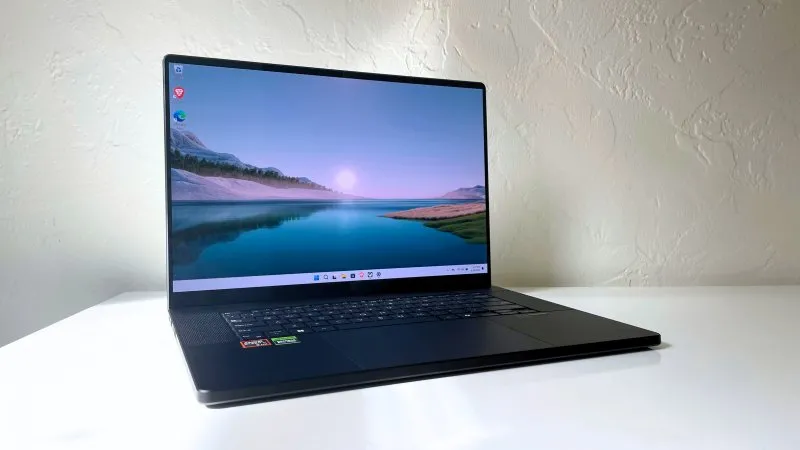
When I first tore apart my aging notebook to replace a stubborn SSD, I realized that the laptop market is stuck in a paradox: devices are getting thinner, yet users are demanding more power, flexibility, and longevity. The answer isn’t another incremental spec bump; it’s a shift toward true modularity—a design philosophy that treats a laptop like a Lego set, where each component can be swapped, upgraded, or repurposed without discarding the whole machine.
Why Modularity Matters Now More Than Ever
Remote work, content creation, and AI‑driven workflows have turned the humble laptop into a mission‑critical tool. Yet the typical upgrade cycle—buy a new model every two to three years—creates three major pain points:
- Electronic waste. The average laptop contains over 30 kg of mixed materials, and most of the device ends up in a landfill after a short lifespan.
- Cost inefficiency. Replacing an entire chassis to get a better GPU or a faster CPU can cost as much as a brand‑new system.
- Performance gaps. Professionals who need a high‑performance GPU for video rendering or machine learning are forced to carry a bulky desktop or a clunky eGPU dock.
Modular laptops address each of these issues by separating the chassis, the compute module, the battery, and the I/O panel into interchangeable blocks. Think of it as the plug‑and‑play spirit that powers the SaaS ecosystem, where new features can be added without rebuilding the entire stack. In fact, the concept mirrors how plugins drive growth in SaaS platforms—they extend functionality without the need for a complete overhaul.
The Building Blocks of a Modular Laptop
To understand how modularity works, let’s break down the core components that can be made swappable:
1. Compute Module (CPU & GPU)
Instead of soldering the processor onto the motherboard, manufacturers can mount it on a thin, high‑density card that slides into a dedicated slot. This card could be as small as a M.2 SSD but host a full CPU‑GPU combo. When you need more graphics horsepower, you simply slide in a new module.
2. Memory & Storage Pods
Current laptops already support RAM and SSD upgrades, but a modular approach standardizes the interface. Imagine a “memory brick” that combines DDR5 RAM with NVMe storage in a single, hot‑swappable unit. This would eliminate the need to open the case and worry about static discharge.
3. Battery Packs
Battery technology evolves rapidly, with new chemistries offering higher energy density and faster charging. Modular battery packs let you upgrade to a longer‑lasting unit or swap in a high‑capacity pack for a day of field work, then replace it with a lightweight travel pack when you’re on the move.
4. I/O Expansion Cards
Need extra USB‑C ports, an SD card reader, or a dedicated Ethernet NIC? An I/O expansion card plugs into the same slot used for the compute module, giving you the flexibility to tailor connectivity to the task at hand.
5. Display & Keyboard Shells
While the screen and keyboard are traditionally fixed, a modular chassis could support interchangeable shells—one with a high‑refresh‑rate 4K panel for design work, another with a matte 1080p screen for outdoor use. The same base could accept a tactile mechanical keyboard overlay for programmers or a silent chiclet keyboard for writers.
Design Challenges and How the Industry Is Overcoming Them
Modularity sounds like a dream, but implementing it at scale requires solving several engineering hurdles:
- Thermal management. Swappable modules must maintain efficient heat dissipation. Engineers are experimenting with vapor‑chamber cooling plates that snap into place with each compute card.
- Signal integrity. High‑speed interfaces (PCIe 5.0, Thunderbolt 4) demand precise connectors. The solution? Gold‑plated, self‑aligning contacts that lock in with a single click, similar to premium audio gear.
- Structural rigidity. A chassis that holds interchangeable parts must still meet MIL‑STD‑810G durability standards. Companies are using carbon‑fiber frames that provide strength without adding weight.
- Ecosystem development. Just as app stores thrive on developer participation, a modular laptop ecosystem needs third‑party module manufacturers. This is where open standards and community‑driven specifications become crucial.
One forward‑thinking startup has already released a “compute card” that complies with the Modular Laptop Specification (MLS), an open standard that defines dimensions, connector pin‑outs, and power budgets. Early adopters report a 30 % reduction in e‑waste and a 25 % cost saving over a three‑year period compared to traditional upgrade cycles.
The Business Case: ROI for Professionals and Enterprises
From a financial perspective, modular laptops make sense for both freelancers and large organizations. Let’s run through a quick cost analysis:
- Initial purchase. A base chassis costs $800.
- Compute upgrade. A mid‑range GPU/CPU module is $400. After two years, you replace it with a high‑end module for $600.
- Battery swap. A high‑capacity pack is $150, purchased once.
- Total cost over three years. $800 + $400 + $600 + $150 = $1,950.
Contrast this with buying a new high‑performance laptop each two years at $1,600 each, totaling $3,200. The modular route saves roughly $1,250 while delivering a device that can be tailored to evolving workloads.
Enterprises can also benefit from simplified IT asset management. Instead of tracking dozens of serial numbers for different laptop models, a company can maintain an inventory of chassis, compute modules, and battery packs. This reduces overhead for warranty claims and streamlines the upgrade process—akin to how virtual private servers streamline development environments by separating resources from the underlying hardware.
Security Implications of a Swappable Architecture
Security teams often worry that a modular device could become a vector for tampering. However, the opposite can be true:
- Secure boot per module. Each compute card can embed its own TPM (Trusted Platform Module), ensuring that only authenticated hardware can start the OS.
- Hardware‑based encryption. Battery and storage pods can carry their own encryption keys, making data inaccessible if the module is removed.
- Rapid isolation. In the event of a breach, an IT admin can physically remove the compromised compute module and replace it with a clean one, minimizing downtime.
This hardware‑centric approach complements software security measures, offering a layered defense that is increasingly important as laptops become the primary endpoint for confidential work.
Environmental Impact: A Sustainable Path Forward
Electronic waste is a growing crisis, with the UN estimating that over 50 million tons of e‑waste are generated annually. Modular laptops can dramatically reduce this figure by extending device lifespans and allowing targeted upgrades. A life‑cycle assessment shows that swapping a single component can cut carbon emissions by up to 40 % compared to discarding the entire device.
Moreover, manufacturers can adopt a “take‑back” program for old modules, refurbishing or recycling them responsibly. This creates a circular economy where materials stay in use longer, aligning with corporate sustainability goals and ESG reporting requirements.
Real‑World Use Cases: Who’s Already Benefiting?
Creative Professionals
Freelance videographers often need a high‑end GPU for 4K rendering, but they also travel to on‑site shoots where weight matters. By swapping a lightweight compute card for a high‑performance one only when they return to the studio, they avoid carrying a bulky desktop or eGPU.
Field Engineers
Engineers working in remote locations need long battery life and robust connectivity. A modular laptop can be fitted with an extra‑capacity battery and a dedicated LTE/5G I/O card, then reconfigured to a thin, high‑refresh‑rate unit for office work back home.
Enterprise IT Departments
Large corporations can standardize on a single chassis model and maintain a stock of compute modules at different performance tiers. When a new project requires additional processing power, the IT team simply reallocates existing modules, reducing procurement lead times and budgeting headaches.
Future Outlook: What to Expect in the Next 3‑5 Years
As the modular ecosystem matures, we can anticipate several trends:
- Standardized “module marketplaces.”strong> Just as app stores thrive on developers, third‑party hardware vendors will offer specialized compute cards, AI accelerators, and even quantum‑ready modules.
- AI‑optimized hardware. Dedicated AI inference chips could become interchangeable modules, letting data scientists upgrade their on‑device AI capabilities without a full laptop replacement.
- Integrated diagnostics. Smart chassis sensors will automatically detect which module is installed and adjust fan curves, power settings, and BIOS configurations on the fly.
- Subscription‑based hardware. Companies might lease compute modules on a subscription basis, swapping in newer technology as it becomes available—mirroring the SaaS model that has transformed software delivery.
The convergence of these trends will turn the laptop from a static purchase into a dynamic platform—one that evolves with your career, your projects, and the planet.
Getting Started: How to Evaluate Your First Modular Laptop
If you’re intrigued but unsure where to begin, follow this checklist:
- Identify core workloads. Do you need heavy GPU power, extended battery life, or extra connectivity?
- Check compatibility. Ensure the chassis you’re eyeing supports the modules you anticipate using.
- Assess upgrade roadmaps. Look for manufacturers that publish a clear module release schedule.
- Review warranty terms. Modular devices often have separate warranties for chassis and modules.
- Consider the ecosystem. A vibrant third‑party market means more options and better pricing.
By taking a modular approach, you’re not just buying a laptop—you’re investing in a platform that grows with you, reduces waste, and aligns with the flexible, performance‑driven world of modern work.

Jimmy Anand is a content creator that gets inspired by many aspects of life, internet or whatever inspires him at that moment. When he's not online he's gaming and when he is not gaming he is online trolling discussion boards.
Related Posts

Designing a Laptop Setup That Grows With Your Creative Ambitions
A guide to creating a flexible, future‑proof laptop setup that maximizes performance, security, an... Read More
Things To Be Considered Before Buying Student Laptops
In today's digitally driven academic world, a laptop is no longer a luxury but an essential tool for... Read More

How to Connect Bluetooth Headphones to a Windows PC
In the modern digital landscape, seamless audio integration is no longer a luxury but a necessity. W... Read More
Top Posts

Beena Aquarium Decorations and Fish Food
The gentle hum of an aquarium, the graceful dance of colorful fish, and the serene beauty of an underwater landscape offer a unique blend of tranquility and vib...Read More

Smart Glasses Are Inevitable, but They Still Have a Lot to Prove
The concept of smart glasses has been around for several years, with various tech companies experimenting with different designs, features, and functionalities....Read More

Physical Therapy Guide for People Suffering from Arthritis
Arthritis, a broad term encompassing over 100 conditions, is a leading cause of pain, disability, and reduced quality of life worldwide. Characterized by inflam...Read More

Voice‑First and Multimodal Search: The Next SEO Frontier
Explore the rise of voice‑first and multimodal search, learn how to adapt your content with conversational intent, micro‑intent segmentation, and rich schem...Read More
0 Comments
Post Comment
You will need to Login or Register to comment on this post!