
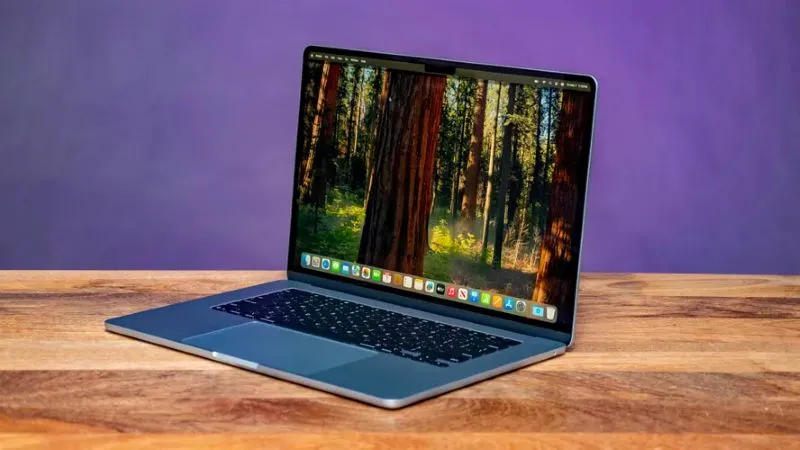
In an era where technological innovation moves at breakneck speed, the conventional wisdom of waiting for the “next big thing” before making a major purchase has long held sway. However, when it comes to laptops, this mindset may no longer be the most strategic approach. While it’s natural to assume that holding out for a newer model will ensure you get the latest and greatest technology, several compelling reasons suggest that purchasing a laptop now—rather than delaying until next year—could be the wiser decision. From immediate access to cutting-edge features to the uncertainties of the tech market, here’s why acting sooner rather than later might better serve your needs.
1. Immediate Access to Cutting-Edge Features and Performance
One of the most persuasive arguments against waiting is the pace of technological advancement. Today’s laptops already incorporate innovations that were considered futuristic just a few years ago. For instance, high-end models now feature ultra-fast solid-state drives (SSDs), advanced thermal solutions for sustained performance, and displays with OLED panels capable of near-perfect contrast and vibrancy. These advancements are not evolutionary “tweaks” but significant leaps that can profoundly impact user experience.
Consider the shift to PCIe 4.0 SSDs in modern laptops, which nearly double the data transfer speeds of their predecessors. If your workflow involves large file transfers, video editing, or software development, this improvement isn’t merely a luxury—it’s a productivity game-changer. Similarly, the latest laptop processors from Intel and AMD integrate AI-driven features such as real-time language translation, noise suppression for calls, and enhanced battery life optimizations. These capabilities are already available today and may not offer substantial upgrades in the near term.
For most users, the incremental gains of next-year’s models—such as a slightly faster CPU or a marginal battery life improvement—are unlikely to justify years of waiting. The current market offers a balanced blend of power, portability, and innovation that meets the needs of professionals, creatives, and casual users alike.
2. Supply Chain Stability and Warranty Coverage
Global supply chain disruptions, which plagued hardware manufacturers in the early 2020s, have begun to stabilize, making it easier than ever to secure a new laptop with minimal delays. Retailers now stock a wide variety of models from diverse brands, reducing the risk of extended backorders. By contrast, waiting for next year’s models could mean facing new bottlenecks due to geopolitical tensions, raw material shortages, or shifts in manufacturing priorities.
Moreover, purchasing a laptop now ensures immediate access to a full manufacturer warranty, which typically spans 1–3 years. If you wait and then face a delay in receiving a new model, your current device’s warranty may expire during the wait, leaving you vulnerable to repair costs. For businesses and individuals relying on their laptops for critical tasks, the unpredictability of future availability and the assurance of warranty protection are key factors in favor of an immediate purchase.
3. Software Optimization and Ecosystem Compatibility
Laptops are not standalone devices; they are integral parts of an interconnected ecosystem of hardware and software. Operating systems, cloud services, and productivity tools are continuously updated to leverage the capabilities of current hardware. When you buy a new laptop today, you gain immediate access to the latest software innovations, such as AI-powered assistants, real-time collaboration features, and enhanced security protocols tailored to modern processors and chipsets.
Delaying your purchase risks missing out on ecosystem benefits that are already optimized for today’s laptops. For example, Microsoft’s AI Copilot and Apple’s M3-powered MacBooks with integrated machine learning capabilities are designed to work seamlessly with 2023-era machines. By the time next year’s models arrive, software developers may have moved on to support newer architectures, potentially rendering current tools outdated or less effective on new devices. This dynamic underscores the importance of aligning hardware and software compatibility to maximize efficiency and future-proof your investment.
4. Market Trends and Financial Incentives
The laptop market is highly competitive, and manufacturers frequently offer discounts, trade-in incentives, and financing options to clear inventory and attract buyers. These deals are often time-sensitive, making them most advantageous for those who act now. Retailers may also offer holiday promotions or end-of-year sales that provide significant savings on high-performance models. Waiting until next year could mean missing out on these cost-saving opportunities, particularly if inflation or rising component costs push prices upward.
Additionally, the tech industry is prone to sudden shifts in product strategy. For instance, Apple’s transition to M3 chips or Intel’s 14th-generation processors may signal the end of older product lines, with reduced support and pricing adjustments for legacy models. If you delay your purchase, you might find that the laptops meeting your needs today are no longer available in the same price range, or their features may have been downgraded to accommodate newer models.
5. Mitigating the Risks of Uncertainty
Finally, predicting the future of technology is inherently uncertain. While it’s tempting to speculate about the next major breakthrough—be it foldable screens, next-gen battery tech, or quantum computing integration—these innovations are typically further from consumer adoption than anticipated. Relying on speculative upgrades can lead to missed opportunities, as current laptops already provide robust performance for the vast majority of use cases.
Moreover, delaying a purchase could expose you to unforeseen risks, such as a global recession, increased tariffs, or supply chain disruptions that could destabilize pricing and availability. By making a strategic purchase now, you insulate yourself from these variables while ensuring your device meets today’s demands.
Conclusion: Act Now for a Smarter Investment
In summary, the decision to buy a laptop now rather than waiting until next year is supported by a multitude of factors. The current market offers a wealth of advanced features, stable supply chains, and optimized software ecosystems, all underpinned by immediate financial incentives. While future innovations will undoubtedly emerge, they are unlikely to justify the wait for most users, and delays could cost more in the long run due to market unpredictability.
By investing in a modern laptop today, you secure a device that is not only capable of meeting your current needs but also equipped to evolve with the technologies of tomorrow. In a rapidly changing digital landscape, timing is everything—and in this case, the optimal moment may already be here.

Margaret Thomson is a seasoned freelance writer specializing in the dynamic worlds of marketing and advertising. With a career deeply rooted in the marketing field, Margaret brings a wealth of practical experience and insightful knowledge to her writing.
Related Posts

How to Connect Bluetooth Headphones to a Windows PC
In the modern digital landscape, seamless audio integration is no longer a luxury but a necessity. W... Read More
Microsoft Alert: Did the October 2025 Windows Security Update Trigger BitLocker Recovery?
If your PC recently demanded a recovery key after installing the October 2025 Windows security updat... Read More
Modular Laptops: Future‑Proofing Your Workstation for Performance and Sustainability
A deep dive into why modular laptops are the next big thing for professionals, covering their benefi... Read More
Top Posts

Human‑Centric Branding in the Age of AI
A deep dive into building a human‑centric brand in an AI‑dominated SaaS world, with practical steps to make your brand feel personal, trustworthy, and futur...Read More

The Tiny Terror: Why Button Batteries Are a Silent Threat to Our Little Ones
You know those little disc-shaped batteries that power everything from your TV remote to those adorable, musical greeting cards your aunt sends? They’re incre...Read More

The Impact of Online Harassment on Mental Health: A Legal Perspective
Online harassment has significant implications for mental health. Learn about the impact and legal perspective on this growing concern. Discover ways to prevent...Read More

Mental Health in the Digital Age: Navigating the Complexities
Mental health in the digital age is a complex issue. Learn how to mitigate the negative effects of technology and cultivate a healthier relationship with the di...Read More
0 Comments
Post Comment
You will need to Login or Register to comment on this post!