
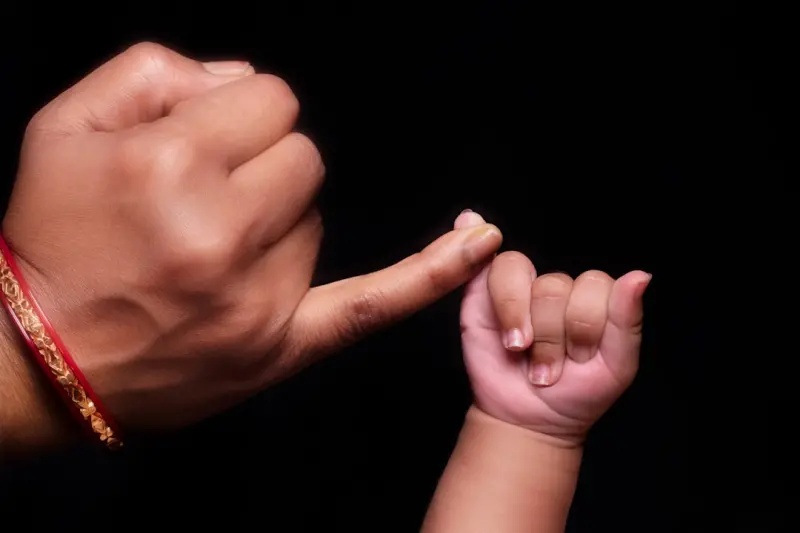
Why Baby Sign Language Is the Secret Weapon for Modern Parents
When I first cradled my newborn, the silence was both comforting and maddening. I loved the gentle rhythm of his breathing, but the endless “what‑do you want?” moments left me feeling helpless. It wasn’t long before I discovered that a handful of simple gestures could turn that silence into a two‑way conversation. Baby sign language isn’t just a cute party trick—it’s a practical, research‑backed tool that can reduce tantrums, boost early language skills, and deepen the parent‑child bond.
From Frustration to Connection: My Personal Journey
My own path to signing began on a sleepless night when my little one, Lily, was stuck in a feeding frenzy, crying for a bottle that I’d already given. In that frantic moment, I mimed the “more” sign, and to my astonishment, she responded with an eager grin and a tiny, deliberate motion of her own hand. That was the spark that set me on a quest to understand why such a simple system could be so powerful.
What I found was a growing body of evidence that babies are visual‑motor learners long before they can articulate words. By tapping into that innate ability, parents can bridge the communication gap that so often fuels frustration for both sides.
How Baby Sign Language Works
At its core, baby sign language uses clear, consistent gestures that represent basic needs and emotions. Here’s a quick starter list that any parent can adopt within the first six months:
- Milk – an open hand, thumb to chin.
- More – fingertips of both hands touching repeatedly.
- All Done – palms facing outward, waving “goodbye.”
- Sleep – hand resting on cheek, eyes closed.
- Happy – both hands forming a big “C” shape, moving upward.
Consistency is key. Use the same sign every time you talk about the concept, and pair it with the spoken word. Over time, the brain creates a neural link between the visual gesture, the sound, and the meaning.
The Science Behind the Signs
Multiple studies have shown that babies who learn to sign:
- Experience 30‑50% fewer tantrums during the first year.
- Develop a vocabulary advantage of 2‑4 words by nine months compared to non‑signing peers.
- Show stronger parent‑infant attachment, as the act of signing fosters eye contact and shared attention.
One particularly compelling study from the University of South Carolina found that signing infants were more likely to engage in joint attention—a critical precursor to later language acquisition. In other words, they not only say more, they also listen more, creating a virtuous cycle of communication.
Integrating Sign Language into a High‑Tech Home
We live in an era where smart devices surround every corner of our homes. Rather than seeing technology as a distraction, you can use it to reinforce signing:
- Smart Speakers: Program a brief audio cue that plays each time you use a sign, reinforcing the spoken word.
- Digital Photo Frames: Rotate images of each sign with the corresponding word for visual reinforcement.
- Wearable Baby Monitors: Some models now feature customizable alerts—use them to remind you to sign during feeding or bedtime routines.
These tools aren’t about replacing the human connection; they’re about amplifying it. When you pair a tactile sign with a consistent auditory cue, you create a multi‑sensory learning environment that aligns perfectly with the brain’s natural wiring.
Addressing Common Myths
As with any parenting trend, baby sign language has its share of skeptics. Let’s debunk the three most persistent myths:
- Myth: Signing delays speech. In reality, research consistently shows that signing accelerates spoken language development, because babies have a way to express themselves before they can speak.
- Myth: Only “baby‑smart” families can pull it off. Signing is a skill, not an innate talent. With patience and consistency, any parent can teach it.
- Myth: It’s a fad that will fade away. Signing has been used by deaf communities for generations and is now being embraced by mainstream families worldwide, indicating lasting relevance.
Creating a Sign‑Friendly Routine
Here’s a practical, day‑to‑day framework you can adopt:
- Morning Check‑In: As you greet your baby, use the “happy” sign and say “good morning.” This sets a positive tone.
- Feeding Time: Sign “milk,” “more,” and “all done” throughout the bottle or nursing session. Pair each sign with the spoken word.
- Play Sessions: Introduce “play,” “book,” or “toy” signs as you engage with their favorite activities.
- Bedtime Routine: Sign “sleep,” “bath,” and “goodnight” in the same order each night to build predictability.
Consistency across caregivers is crucial. If grandparents or babysitters are involved, provide them with a quick cheat sheet and practice together for a few minutes each day.
Linking Signing to Wider Parenting Communities
One of the most rewarding aspects of my signing journey has been connecting with other parents who share the same curiosity. In today’s digital age, micro‑communities of parents have sprung up on platforms like Facebook, Instagram, and niche forums. These tight‑knit groups exchange sign‑language tips, celebrate milestones, and even host virtual signing parties.
These communities function as modern “playgroups,” but with the added benefit of expert advice from pediatric speech therapists and child development researchers. By participating, you gain confidence, learn new signs, and get emotional support during the inevitable rough patches.
Feeding the Whole Child: Nutrition Meets Communication
While we’re on the topic of holistic development, I’ve found that nutrient‑rich meals for growing bodies can actually reinforce the benefits of signing. When a baby feels physically satisfied, they’re more inclined to engage in learning activities—including signing. Think of it as a feedback loop: proper nutrition fuels brain development, which in turn makes sign learning smoother.
Try incorporating iron‑rich purees (like lentils or fortified cereals) during a “more” signing moment. The visual cue of the sign paired with the taste experience can create stronger memory pathways.
Beyond the Basics: Expanding Your Vocabulary
Once your baby masters the foundational signs, you can start adding more nuanced gestures:
- “Cold” – fingertips brushing the cheek.
- “Hot” – hand waving over the head, mimicking steam.
- “Love” – hands crossing over the chest.
- “Help” – one hand flat, the other cupping it.
These richer signs open doors to emotional expression, helping your child articulate feelings before they have the words. This can be a game‑changer for managing early emotional outbursts and building emotional intelligence.
When to Expect Progress
Every child is unique, but here’s a general timeline based on my experience and the research:
| Age | Typical Milestones |
|---|---|
| 2‑4 months | Begins to imitate hand movements; receptive to simple signs. |
| 5‑7 months | Uses 3‑5 signs consistently; starts combining signs (e.g., “milk‑more”). |
| 8‑12 months | Signs become integrated with spoken words; may start forming two‑word combos. |
| 12+ months | Sign usage declines as speech dominates, but retains as a supplemental tool. |
Patience is essential. Celebrate small victories—like a correctly timed “all done”—and remember that progress isn’t linear.
Potential Pitfalls and How to Navigate Them
Even the best‑intentioned parents can stumble. Here are common challenges and my quick fixes:
- Inconsistent Use: If you forget to sign during a busy morning, note it on a sticky note and remind yourself later.
- Over‑Signing: Resist the urge to sign every single word. Focus on high‑frequency needs and emotions.
- Mixed Signals: Ensure all caregivers use the same signs; create a shared reference sheet.
Why Signing Isn’t Just for the First Year
Although the biggest gains happen before the first birthday, many families continue using signs well into preschool. The benefits evolve from basic need‑expression to:
- Facilitating storytelling and imagination.
- Providing a non‑verbal outlet for children who are shy or have speech delays.
- Strengthening family rituals (e.g., “family‑time” sign before meals).
In my own household, we now use signs during family meals to indicate “please pass” or “finished.” It’s a subtle reminder that communication isn’t just about words—it’s about connection.
Final Thoughts: The Gift of Understanding
Choosing to introduce baby sign language is an act of love that respects a child’s agency from day one. It acknowledges that even the tiniest human has something valuable to say, and it equips parents with a tool to hear that message loud and clear. As we navigate a world saturated with screens and instant gratification, the simple, tactile act of signing pulls us back to the primal rhythm of human interaction.
If you’re on the fence, I encourage you to try one sign for a week. Observe the shift in your baby’s demeanor, and notice how your own stress levels dip when you can finally understand that urgent “more” or “all done.” The journey may start with a tiny hand motion, but it ends with a lifelong habit of empathy, patience, and mutual respect.

Miranda Murphy: Experienced freelance writer with a decade of storytelling expertise. Let's create something amazing together!
Related Posts
Gentle Routines That Nurture Calm and Confidence in Your Baby’s First Year
Learn why gentle, consistent routines are the secret to a calm, confident baby. From reading tiny cu... Read More
Creating a Growth‑Friendly Home for Babies and Toddlers
A practical guide to building a flexible, sensory‑rich home environment that evolves with your bab... Read More
The Best Bottles for Breastfed Babies, Tested by Parents
The decision to introduce a bottle to a breastfed baby is often accompanied by anxiety. Parents fear... Read More
Top Posts
When AI Mimics Reality: Guarding Your Online Reputation Against Deepfakes
Deepfakes can damage personal and professional images in minutes. This guide reveals how to spot them, defend your brand, and rally a community to combat synthe...Read More

AI‑Powered Web Hosting: The Quiet Revolution Behind Faster B2B Experiences
A deep dive into AI‑enabled web hosting shows how predictive scaling, autonomous security, and seamless integration can cut costs, improve performance, and ac...Read More

Dedicated Hosting: The Unsung Powerhouse for Enterprise SaaS
Dedicated hosting provides exclusive hardware resources, enhanced security, and regulatory compliance that can give enterprise SaaS platforms a performance and ...Read More

Things You're Tossing in the Recycling Bin That Don't Belong There
Many households unknowingly contaminate their recycling by tossing in unrecyclable items like greasy pizza boxes or plastic film. This guide explains exactly wh...Read More
0 Comments
Post Comment
You will need to Login or Register to comment on this post!