
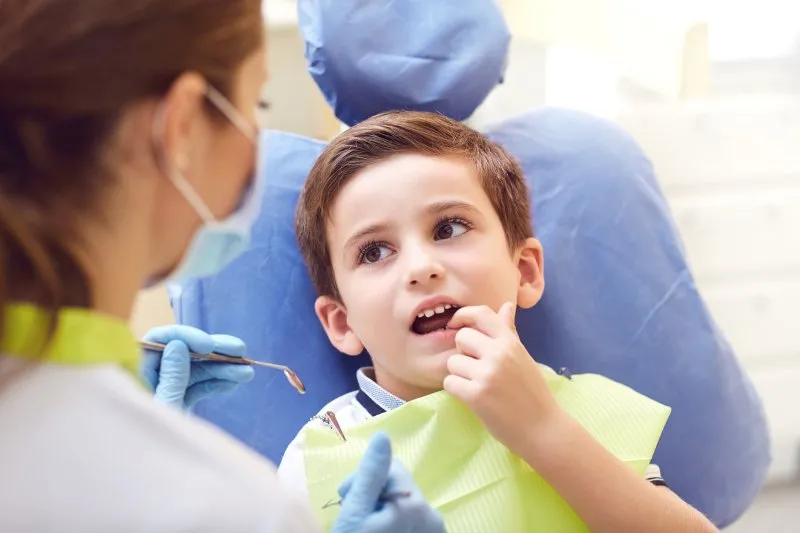
For many families, securing comprehensive health insurance is rightly viewed as a foundational pillar of financial security. However, within the intricate architecture of family care planning, Dental Insurance is often relegated to a secondary, optional category—a significant oversight, particularly when children are involved. When evaluating the substantial risks associated with pediatric oral health, the high cost of emergency intervention, and the long-term impact of preventative care, robust Dental Coverage transcends convenience; it becomes an indispensable financial and health necessity.
The proposition is straightforward: if you have children, you require dedicated dental coverage to manage both predictable maintenance and mitigate the substantial financial shock of unforeseen incidents.
The Foundational Value of Prevention and Pediatric Development
Childhood is a period of rapid oral development, marked by the eruption of primary teeth, the development of proper bite alignment, and the transition to the permanent dentition. Consistent professional care during this critical window is essential not just for a healthy smile, but for systemic health and proper nutrition.
The core benefit of adequate Dental Insurance lies in its emphasis on prevention. Most standard pediatric plans cover 100% of routine diagnostic and preventative services, typically including two annual examinations, cleanings, and necessary fluoride treatments and sealants. These preventative measures are highly cost-effective, designed specifically to intercept minor issues before they escalate into major, expensive crises.
For example, a dental sealant, a simple, non-invasive procedure often covered entirely by Dental Coverage, can cost between $30 and $60 per tooth without insurance. This minimal investment protects the molar's chewing surface from decay. Conversely, treating a severe cavity or molar decay requiring a filling and potentially a pulpotomy (a "baby root canal") can easily cost hundreds of dollars. By investing in preventative coverage, parents effectively employ a financial hedge, ensuring minor issues are addressed promptly, thereby avoiding the exponentially greater costs associated with restorative and specialized services later in life.
The Unforeseen Threat: Accidental Dental Incidents
One of the most compelling arguments for robust Dental Insurance when managing a family is the high probability of traumatic dental injuries. Children, particularly those engaged in sports, riding bikes, or simply navigating playgrounds, face constant exposure to accidental trauma. A collision, a fall, or a misplaced kick during a game can result in immediate, catastrophic damage to teeth, gums, and jaw structure.
These incidents often require highly specialized and immediate attention. Common pediatric dental traumas include avulsions (knocked-out teeth), luxations (displaced teeth), and fractures. Without proper Dental Coverage, the costs associated with these emergencies can be staggering:
- Emergency Stabilization: Immediate visit, X-rays, and temporary splinting.
- Restorative Procedures: Root canals, crowns, or surgical re-implantation (which often fail and require replacement).
- Long-Term Monitoring: Follow-up visits over several years to ensure the trauma does not affect the development of permanent teeth.
This is precisely where the concept of Accidental Dental Insurance becomes critical. While many standard dental plans cover accidents, specific riders or dedicated Accidental Dental Insurance policies are engineered to provide maximum coverage for non-routine, trauma-related expenses, often featuring higher annual maximums or lower deductibles for emergency events.
A single visit to an emergency dental specialist to treat a fractured permanent incisor can easily exceed $1,500 to $3,000, depending on the severity and necessary follow-up endodontic treatment. For families without adequate coverage, this represents an immediate and significant financial strain. Comprehensive Dental Coverage mitigates this risk, transforming a substantial financial blow into a manageable co-payment or deductible.
Analyzing the Financial Exposure of Pediatric Dentistry
The complexity of pediatric dental needs moves well beyond cleanings and cavities. Children frequently require orthodontic evaluations, wisdom teeth extraction, and sometimes specialized procedures related to genetics or developmental irregularities. The financial landscape of these treatments further solidifies the need for institutionalized financial protection.
While standard medical insurance often treats severe dental trauma as separate from general health, a dedicated Dental Insurance policy bridges this gap. A common misconception among policyholders is that standard medical coverage will absorb the costs of an emergency dental injury if the injury occurred in an accident. Unfortunately, most general health plans explicitly exclude coverage for dental restoration unless the damage is severe enough to require hospitalization or is secondary to a major systemic health crisis (e.g., jaw fracture).
This exclusion leaves families solely relying on their Dental Coverage to manage everything from a chipped tooth to extensive crown work. When evaluating financial exposure, consider the lifetime costs:
- Orthodontics: While often partially covered by dental plans, the remainder can be thousands of dollars.
- Major Restorative Work: Procedures like pediatric crowns, space maintainers, or necessary extractions carry high individual price tags.
The cost-benefit analysis overwhelmingly favors securing coverage. The annual premium for a family dental plan is invariably less than the cost of one significant restorative procedure or one trauma-related emergency visit. Dental Coverage is not just an allocated budget for annual cleanings; it is risk mitigation against catastrophic pediatric procedures.
Selecting Strategic Dental Coverage
When selecting Dental Coverage, prudent families must look beyond the premium price and assess the specific benefits relevant to children:
- Deductibles and Annual Maximums: Children often hit annual maximums quickly, especially if orthodontics or major repairs are needed. Look for policies with high maximums, or riders that offer uncapped coverage for preventative services.
- Coverage for Major Services: Ensure that policies clearly define the percentage covered for Class III (Major) procedures, such as crowns and root canals, and understand the waiting periods associated with these services.
- Orthodontic Coverage: If coverage for braces is a priority, verify that the policy covers "medically necessary" orthodontics versus cosmetic alignment, and understand the lifetime maximum benefit.
- Integration of Accidental Dental Insurance Provisions: Specifically inquire about how emergency and trauma-related injuries are processed. Does the plan waive the waiting period or deductible for an acute injury resulting from an accident?
In conclusion, raising children introduces a dynamic and often unpredictable dimension to household finances and health management. Neglecting Dental Insurance is akin to leaving a significant door open to substantial, unexpected expenses. For the professional family committed to mitigating financial risk and ensuring optimal physical development for their children, comprehensive Dental Coverage, including robust provisions for Accidental Dental Insurance, is not a peripheral offering, but a non-negotiable core element of responsible family planning.

Margaret Thomson is a seasoned freelance writer specializing in the dynamic worlds of marketing and advertising. With a career deeply rooted in the marketing field, Margaret brings a wealth of practical experience and insightful knowledge to her writing.
Related Posts

Top 10 Fiber-Packed Foods Nutritionists Swear By for Lasting Weight Loss
The pursuit of sustainable weight loss is a journey many embark on, often navigating a labyrinth of ... Read More

Nurturing Your Heart: A Comprehensive Guide to Foods for Cardiovascular Health
Heart disease remains a leading health challenge globally, impacting millions and underscoring the c... Read More

What Happens to Your Blood Pressure When You Drink Coffee Every Day?
Coffee, the beloved morning ritual for millions, is more than just a pick-me-up; it's a complex brew... Read More
Top Posts

Why Traditional SaaS Budgeting Is Dead—and How to Build a Real‑Time Financial Command Center
Static, annual budgets are holding SaaS firms back. Learn why real‑time revenue intelligence, dynamic pricing, and integrated dashboards are essential for tur...Read More

Why the Sprint Culture Is Redefining Modern Society
A deep dive into the sprint culture sweeping society, its impact on daily life, and practical tips for balancing speed with well‑being....Read More

Green Chemistry Meets the Office: The Future of Eco‑Cleaning
Eco‑cleaning is shifting from niche to necessity. Learn how enzyme‑based formulas, IoT‑enabled dispensers, and circular packaging can cut costs, improve a...Read More

The Psychology of Retail Therapy: How Shopping Affects Our Mental Health
Shopping can have a profound impact on our mental health, from the temporary boost of dopamine to the negative effects of consumerism. Learn how to cultivate a ...Read More
0 Comments
Post Comment
You will need to Login or Register to comment on this post!