
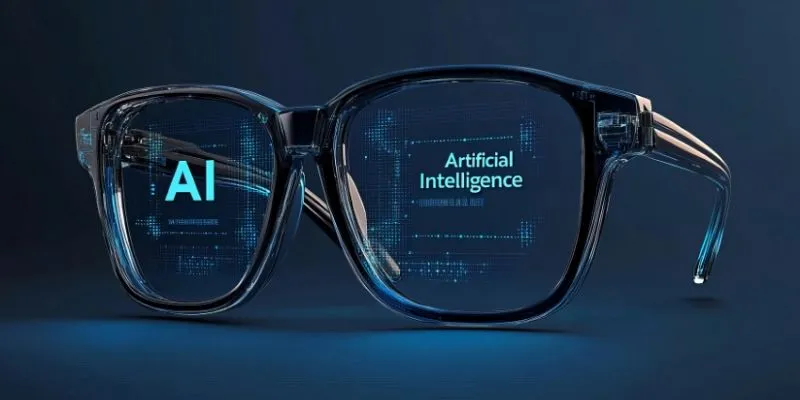
The concept of smart glasses has been around for several years, with various tech companies experimenting with different designs, features, and functionalities. Despite the initial hype and excitement, the adoption of smart glasses has been slower than expected. However, with advancements in technology and the increasing demand for innovative wearables, it's inevitable that smart glasses will become a mainstream phenomenon. Nevertheless, before they can gain widespread acceptance, smart glasses still have a lot to prove in terms of usability, practicality, and overall value proposition.
One of the primary challenges facing smart glasses is the issue of aesthetics. Many of the current models on the market are bulky, awkward, and downright unattractive. This is a significant barrier to adoption, as people are often hesitant to wear devices that make them look silly or conspicuous. To overcome this hurdle, manufacturers must prioritize design and create smart glasses that are not only functional but also fashionable and stylish. This might involve collaborations with fashion brands, the use of sleek and minimalist designs, or the development of frames that can be customized to suit individual tastes.
Another critical aspect of smart glasses is the user interface. Currently, many smart glasses rely on clunky voice commands, awkward gesture controls, or cumbersome touchscreens. These interfaces can be frustrating to use, especially in situations where the user needs to access information quickly and efficiently. To address this issue, developers must create more intuitive and seamless interfaces that allow users to interact with their smart glasses in a natural and effortless way. This could involve the use of advanced voice recognition technology, gesture-based controls that are more precise and responsive, or even the integration of brain-computer interfaces that can read the user's thoughts and intentions.
In addition to design and user interface, smart glasses must also demonstrate their practicality and usefulness in everyday life. One of the most significant advantages of smart glasses is their ability to provide users with relevant information and insights in real-time. For example, smart glasses can display turn-by-turn directions, translate foreign languages, or offer suggestions for nearby restaurants and shops. However, these features must be implemented in a way that is both subtle and unobtrusive, allowing users to access the information they need without being distracted or overwhelmed. This might involve the use of glanceable interfaces, which provide users with brief, easily digestible bits of information, or the integration of artificial intelligence that can learn the user's habits and preferences over time.
Another area where smart glasses have the potential to make a significant impact is in the realm of healthcare and wellness. For instance, smart glasses can be equipped with sensors that track the user's vital signs, such as heart rate, blood pressure, and oxygen levels. They can also be used to monitor the user's diet and exercise habits, providing personalized recommendations and feedback to help them achieve their fitness goals. Furthermore, smart glasses can be used to assist people with disabilities, such as visual or hearing impairments, by providing them with real-time guidance and support. To fully realize this potential, manufacturers must collaborate with healthcare professionals and researchers to develop smart glasses that are both medically accurate and user-friendly.
The issue of privacy and security is also a major concern when it comes to smart glasses. As with any device that collects and transmits personal data, there is a risk that smart glasses could be used to compromise the user's privacy or security. To mitigate this risk, manufacturers must implement robust security measures, such as encryption and secure data storage, to protect the user's information. They must also be transparent about how they collect and use data, providing users with clear and concise information about their privacy policies and practices.
Despite these challenges, there are many reasons to be optimistic about the future of smart glasses. For one, the technology is rapidly advancing, with improvements in areas such as display resolution, battery life, and processing power. This is enabling the development of more sophisticated and capable smart glasses that can perform a wide range of tasks and functions. Additionally, the cost of smart glasses is decreasing, making them more accessible to a broader range of consumers. This, combined with the growing demand for innovative wearables and the increasing popularity of augmented reality (AR) and virtual reality (VR) experiences, suggests that smart glasses are poised to become a major player in the tech industry.
In fact, many experts believe that smart glasses will eventually replace smartphones as the primary means of accessing information and interacting with the digital world. This is because smart glasses offer a more intimate and immersive experience, allowing users to engage with digital content in a more natural and intuitive way. They also have the potential to enable new forms of interaction, such as gesture-based controls and voice commands, which could revolutionize the way we interact with technology. Furthermore, smart glasses can be designed to be more discreet and unobtrusive than smartphones, allowing users to access information and communicate with others without being distracted or disrupted.
To achieve this vision, manufacturers must continue to innovate and improve their smart glass products. This involves not only developing more advanced hardware and software but also creating new and compelling use cases that demonstrate the value and versatility of smart glasses. For example, smart glasses could be used to enhance the retail experience, providing customers with personalized recommendations and promotions as they browse through stores. They could also be used to improve the workplace, enabling employees to access critical information and collaborate with colleagues more effectively.
In conclusion, while smart glasses are inevitable, they still have a lot to prove in terms of usability, practicality, and overall value proposition. To achieve mainstream acceptance, manufacturers must prioritize design, user interface, and practicality, creating smart glasses that are both functional and fashionable. They must also demonstrate the potential of smart glasses to improve our daily lives, whether through enhanced productivity, improved health and wellness, or more immersive and engaging experiences. By addressing these challenges and opportunities, smart glasses can become an indispensable part of our daily lives, revolutionizing the way we interact with information, each other, and the world around us.
As we look to the future, it's clear that smart glasses will play a major role in shaping the tech industry and beyond. With their potential to enable new forms of interaction, improve our daily lives, and transform the way we experience the world, smart glasses are an exciting and rapidly evolving field that promises to deliver innovative solutions and experiences. While there are still challenges to be overcome, the benefits and opportunities presented by smart glasses make them an inevitable and essential part of our technological future. As such, it's essential for manufacturers, developers, and consumers to work together to create smart glasses that are not only functional and practical but also desirable, accessible, and life-enhancing. By doing so, we can unlock the full potential of smart glasses and create a brighter, more connected, and more immersive future for all.

Tyler Johnson is a seasoned freelance writer with a keen eye for detail and a passion for crafting compelling narratives. His years of experience have honed his ability to adapt his style to suit diverse client needs and project requirements.
Related Posts

Edge Computing: The Unsung Hero Transforming SaaS Performance
Edge computing brings compute closer to users, slashing latency, enhancing security, and cutting cos... Read More

Do Wi-Fi Repeaters Work, and Do You Need One? An In-Depth Analysis
In an increasingly connected world, reliable and pervasive Wi-Fi coverage has transitioned from a lu... Read More

The Unexpected Jobs of Tomorrow: New Careers AI Could Create
Artificial Intelligence (AI) is rapidly transforming our world, and while there's a lot of discussio... Read More
Top Posts

When Scammers Get Clever: The New Playbook of AI‑Powered Deception
Scammers are using AI to craft hyper‑personalized attacks—from deepfake voice calls to supply‑chain credential laundering. This post breaks down the lates...Read More
Why Real‑Time Cash Flow Modeling Is the CFO’s Secret Weapon in SaaS
A deep dive into why static forecasts fall short for SaaS, how predictive analytics can build a living cash‑flow model, and actionable steps for CFOs to turn ...Read More

The Silent Surge: AI‑Powered Micro‑Personalization Is Redefining B2B Email Campaigns
Mei Chen shares a practical roadmap for using AI to deliver hyper‑personalized B2B emails, from signal collection to human oversight, while balancing privacy ...Read More

Real-Time SEO: Winning the Race for Instant Visibility
Real-time SEO transforms traditional search strategies by delivering instantly indexed, data‑driven content that captures fleeting user intent, giving SaaS co...Read More
0 Comments
Post Comment
You will need to Login or Register to comment on this post!