
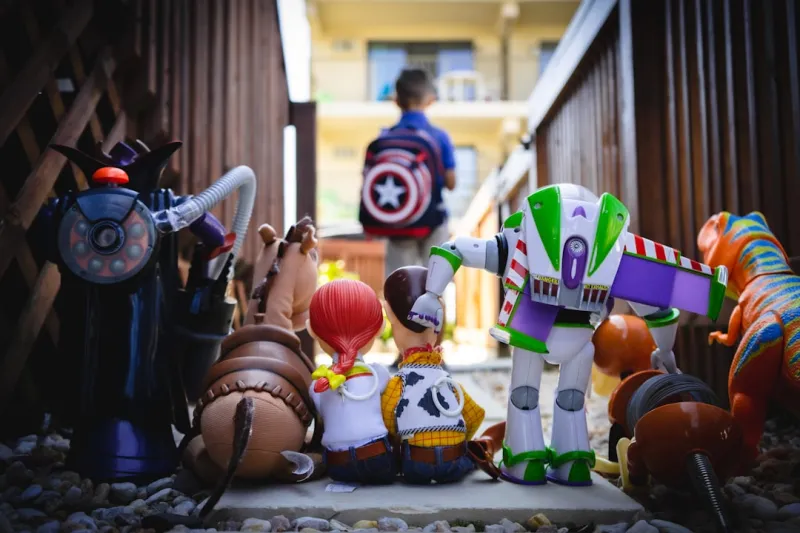
Why 2024 Is the Year Toys Get a Serious Upgrade
When I stare at a shelf of freshly‑boxed toys, I see more than plastic and glitter; I see a cultural pulse, a blend of nostalgia and cutting‑edge tech that tells us exactly where our society is headed. From AI‑powered companions that learn a child’s speech patterns to eco‑friendly builds that teach sustainability, the toy aisle has become a miniature laboratory for tomorrow’s innovations. As a lifelong enthusiast who grew up with action figures that never spoke back, I’m thrilled to witness this evolution, and I’m convinced that the choices we make now will shape the next generation’s imagination. In this post, I’ll walk you through the hottest trends, the toys that are making headlines, and the deeper reasons why these shifts matter beyond the playroom.
Interactive AI Playmates: The New Best Friends
Imagine a plush bear that not only remembers your name but can answer questions about the stars, suggest bedtime stories, and even help with homework; that’s the promise of AI‑infused toys flooding the market this year. Companies are leveraging natural language processing to give these companions a personality that evolves, making every interaction feel fresh and personalized. The Gaming in 2024 playbook highlights how developers are borrowing game mechanics to keep children engaged, turning learning into a game without the typical “learning” label. What’s truly groundbreaking is the ethical framework emerging alongside these toys, ensuring data privacy for kids and offering parental controls that are both robust and user‑friendly. As someone who has watched the rise of smartphones, I recognize this as a pivotal moment where technology finally bends to the rhythm of play rather than the other way around.
Eco‑Conscious Design: Green Toys for a Greener Future
One of the most rewarding shifts in the industry is the surge of sustainably sourced materials, from bamboo polymer blocks to recycled ocean‑plastic figures that spark conversations about environmental stewardship. Parents are no longer willing to overlook the carbon footprint of a simple toy car; they demand transparency, and manufacturers are responding with clear labeling and circular‑economy models. I recently explored a brand that uses plant‑based inks for its puzzles, and the vivid colors rival any traditional dye, proving that green can be gorgeous. This aligns with broader consumer trends discussed in Going Green in 2024, where sustainability isn’t a niche but a mainstream expectation across categories, toys included.
Hybrid Physical‑Digital Experiences
While pure digital games dominate the screen, the most exciting products blend tactile feel with augmented reality, creating a seamless bridge between the real and virtual worlds. Think of a LEGO set that, when scanned with a tablet, unlocks an interactive cityscape where each brick becomes a portal to a digital quest. These hybrid toys satisfy the human craving for hands‑on creation while feeding the appetite for instant, immersive feedback. They also serve an educational purpose, teaching coding logic through snap‑together modules that light up when correctly assembled. I’ve seen kids proudly demonstrate how a simple block triggers a holographic dragon, and the sheer wonder in their eyes reminds me why I fell in love with toys in the first place.
Collectibles That Double as Investment
Collectible toys have always carried a nostalgic allure, but 2024 introduces a financial twist: limited‑edition figures tied to blockchain provenance, ensuring authenticity and traceability. Collectors can now verify a toy’s origin with a QR code, turning a cherished item into a verifiable asset. This trend mirrors the broader crypto‑collectibles movement, yet remains grounded in tangible, play‑ready designs. I’ve been chatting with fellow enthusiasts who treat their prized action figures like fine art, rotating them on display shelves while tracking market values online. The excitement is palpable, and it adds a layer of adult‑level engagement that can coexist with genuine child‑focused fun.
Inclusivity and Representation: Toys for Every Child
Perhaps the most heart‑warming development is the surge of toys that celebrate diversity, featuring characters of varied ethnicities, abilities, and gender expressions. Brands are consulting cultural experts and child psychologists to craft lines that empower all children to see themselves reflected in play. I’ve spotted dolls with prosthetic limbs, superhero capes designed for non‑binary kids, and board games that teach empathy through cooperative storytelling. This inclusive approach not only enriches the play experience but also fosters early social awareness, laying groundwork for a more compassionate generation. The ripple effect extends beyond the toy aisle, influencing media, education, and even family dynamics in subtle yet profound ways.
Smart Play Spaces: The Connected Home Meets the Playroom
Smart home technology is spilling over into the playroom, turning ordinary rooms into interactive learning environments. Voice‑activated lights that change color based on a child’s activity, temperature‑controlled mats that alert parents to overheating, and sensors that track movement to suggest new games—all are becoming standard in upscale nurseries. I recently toured a “smart playroom” where a central hub orchestrates a symphony of devices, guiding kids through a story that unfolds across the walls, floor, and even the ceiling. This integration not only adds convenience for parents but also introduces children to IoT concepts in a low‑stakes, playful context, demystifying the tech that will dominate their future.
Parental Involvement: From Curator to Co‑Creator
Modern toys are designed with the parent in mind, offering dashboards that recommend activities based on a child’s developmental milestones and even allowing families to co‑create content. For example, a digital sketchpad lets a parent draw a character that the child can then animate within a game, fostering collaborative creativity. This shift encourages parents to move beyond the role of buyer to that of active participant, deepening the bonding experience. I’ve found that when I sit down with my niece to customize a storytelling robot, we both learn—she teaches me the language of emojis, and I help her grasp narrative structure. It’s a win‑win that transforms playtime into a shared learning adventure.
Future Outlook: What to Expect in the Next Wave
Looking ahead, I anticipate toys becoming even more personalized through biometric feedback, adjusting difficulty levels in real time based on heart rate or facial expression. We’ll also see greater cross‑industry collaborations, with fashion houses designing limited‑edition plushes and automotive brands releasing miniature versions of electric cars that double as educational kits. As the lines blur between entertainment, education, and sustainability, the toy market will continue to be a bellwether for broader societal shifts. Staying attuned to these trends not only ensures we pick the right gifts but also equips us to nurture curious, resilient, and socially conscious children ready to tackle the challenges of tomorrow.

Shawn DesRochers is a certified Microsoft technician and Programmer with 30+ year's experience. He has written many reviews on computer related products, software, and SEO related topics. When he's not writing reviews he can be found at one of the Oldest Directories Online Blogging Fusion Business Directory which he is the CEO of.
Related Posts
The Power of Play: How Toys Can Shape Our Childhood and Beyond
Toys play a vital role in shaping childhood experiences, from developing essential skills to creatin... Read More
Eco‑Play Revolution: The Shift to Biodegradable Toys
Biodegradable toys are transforming play by combining eco‑friendly materials, smart design, and pa... Read More
Playful Futures: How Smart Toys Are Shaping Learning and Connection
A deep dive into how today’s toys blend sustainability, adaptive tech, and inclusive design to fos... Read More
Top Posts
When Sneakers Meet Sustainability: The New Frontier of Conscious Kicks
A deep dive into the rising trend of sustainable sneakers, covering innovative materials, circular supply chains, smart technology, and the business case for ec...Read More
Beyond the Factory Floor: How Digital Twins Are Redefining Industrial Product Innovation
Digital twins act as living virtual replicas of physical assets, enabling predictive maintenance, design optimization, and supply‑chain resilience. This artic...Read More
Driving the Future: How Open Car APIs Are Changing the Road
Open car APIs are turning vehicles into adaptable platforms, offering drivers personalized experiences, instant OTA updates, and secure data sharing, all while ...Read More

From Street Courts to Smart Arenas: How Technology Is Rewriting the Playbook
Technology is transforming sports from grassroots courts to major arenas, bringing data-driven coaching, immersive fan experiences, and new ethical challengesâ€...Read More
0 Comments
Post Comment
You will need to Login or Register to comment on this post!