

Keeping Kids Safe in a Digital World: A Parent's Guide
As a parent, there's nothing more important than keeping your kids safe. In today's digital age, this means more than just teaching them to look both ways before crossing the street. With the rise of online harassment, cyberbullying, and digital addiction, it's essential to have open and honest conversations with your kids about online safety. In my experience as a parent and advocate for kids' safety, I've seen firsthand the devastating effects of online harassment on young minds. That's why I'm passionate about empowering parents with the knowledge and tools they need to keep their kids safe online.
The Risks of Online Harassment
Online harassment is a growing concern for kids of all ages. According to recent studies, nearly 1 in 5 kids have experienced online harassment, with many more at risk. This can take many forms, from cyberbullying and hate speech to online predators and grooming. As a parent, it's crucial to understand the risks and take steps to protect your kids. One of the most effective ways to do this is to have open and honest conversations with your kids about online safety. This means talking to them about the potential dangers of online interactions, teaching them how to identify and report suspicious behavior, and setting clear boundaries and rules for online activity.
Setting Boundaries and Rules
Setting boundaries and rules for online activity is essential for keeping kids safe. This can include limiting screen time, setting age-appropriate limits on social media use, and monitoring online activity. It's also essential to have a clear plan in place for dealing with online harassment, including knowing how to report incidents and seeking support from authorities or online safety resources. For example, you can use parental control software to monitor your child's online activity and set limits on their screen time. You can also have regular check-ins with your child to talk about their online experiences and address any concerns they may have.
The Importance of Online Safety Education
Online safety education is critical for kids of all ages. This can include teaching kids about online etiquette, digital citizenship, and how to stay safe online. It's also essential to educate kids about the potential consequences of online harassment, including the impact on mental health and wellbeing. By teaching kids about online safety, we can empower them to make informed decisions about their online activity and reduce the risk of online harassment. For instance, you can teach your child about the importance of keeping personal information private, avoiding suspicious links and downloads, and being kind and respectful online.
Resources for Parents
There are many resources available to help parents keep their kids safe online. One of the most effective ways to stay informed is to follow reputable online safety resources, such as The Dark Side of Social Media: How Online Safety Can Impact Your Mental Health. This article provides valuable insights into the potential risks of social media use and offers practical tips for keeping kids safe online. You can also visit websites such as The Alarming Rise of Online Harassment: A Threat to Our Collective Wellbeing for information on online harassment and how to prevent it.
Encouraging Healthy Online Habits
Encouraging healthy online habits is essential for keeping kids safe online. This can include promoting positive online interactions, encouraging kids to use technology in moderation, and modeling healthy online behavior. By promoting healthy online habits, we can reduce the risk of online harassment and help kids develop a positive relationship with technology. For example, you can encourage your child to use technology to learn new things, connect with friends and family, and express themselves creatively.
The Role of Parents in Online Safety
Parents play a critical role in keeping kids safe online. This includes setting boundaries and rules, monitoring online activity, and having open and honest conversations with kids about online safety. By taking an active role in online safety, parents can help reduce the risk of online harassment and empower their kids to make informed decisions about their online activity. It's also essential for parents to stay informed about the latest online safety risks and trends, and to seek support from online safety resources when needed.
Conclusion
Keeping kids safe in a digital world requires a proactive and informed approach. By understanding the risks of online harassment, setting boundaries and rules, and promoting healthy online habits, parents can help reduce the risk of online harassment and empower their kids to make informed decisions about their online activity. Remember, online safety is a shared responsibility, and by working together, we can create a safer and more supportive online community for all. As a parent, it's essential to stay vigilant and take steps to protect your kids from online harassment. By doing so, you can help them navigate the digital world with confidence and safety.
Additional Resources
For more information on online safety and kids' safety, check out the following resources:

Steph Sanderson is a Toronto-based freelance writer and content creator with a clear passion: crafting compelling articles. With a dedication to clear, engaging prose and a knack for storytelling, Steph brings a wealth of experience to every project.
Related Posts
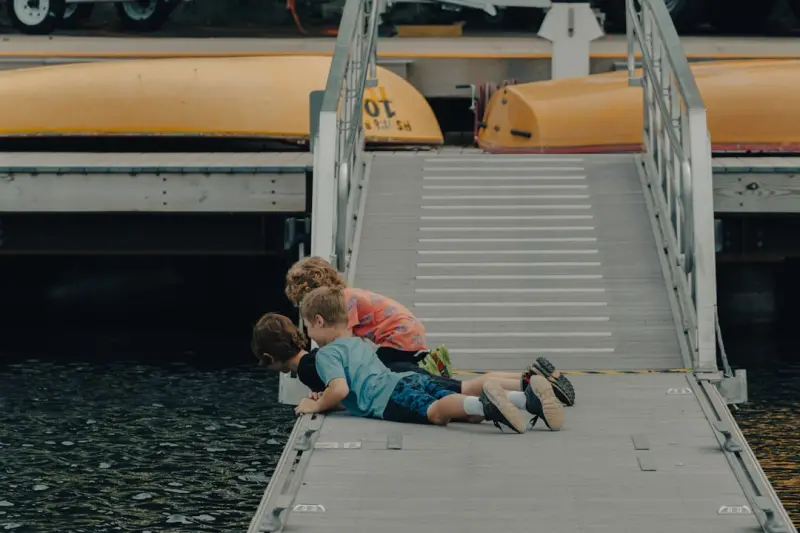
The Ultimate Guide to Keeping Kids Safe in a Digital World
A comprehensive, parent‑focused guide that blends home safety, digital protection, community suppo... Read More

The Best Convertible Car Seats We Trusted with Our Own Kids’ Safety
The transition from an infant car seat to a convertible model marks a significant milestone in a chi... Read More

Kids Safety in 2026: Balancing Tech, Play, and Real‑World Risks
Explore modern kids safety tactics that blend tech safeguards, mindful movement, and community suppo... Read More
Top Posts

Why Gel Polish Works So Well for an Active, Stylish Lifestyle
In today’s fast‑paced world, the modern individual balances demanding professional responsibilities, rigorous fitness routines, and a keen sense of personal...Read More

Embracing the Encore: Thriving, Not Just Surviving, in Your Golden Years
Discover how to redefine your golden years as an exciting encore. Mei Chen shares wisdom on finding new purpose, prioritizing health, connecting with community,...Read More
How to Turn WordPress into Your Personal Knowledge Hub
Learn to repurpose WordPress from a blog into a powerful, self‑hosted second brain—complete with custom post types, AI search, and automation....Read More

Beyond Plugins: A Holistic Approach to WordPress Security
Explore a multi‑layered WordPress security strategy that extends beyond core updates and plugin checks, emphasizing edge networks, VPS hosting, supply‑chain...Read More
0 Comments
Post Comment
You will need to Login or Register to comment on this post!