
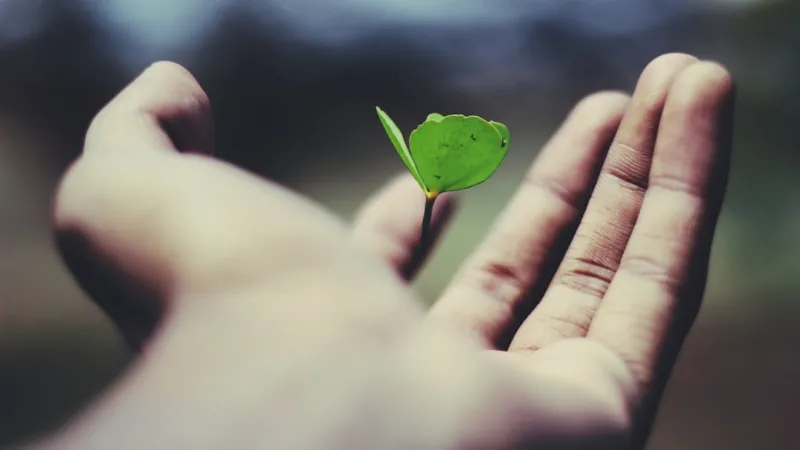
The Healing Power of Nature: How Sustainable Living Can Improve Mental Health
As someone who's struggled with anxiety and depression, I've often found solace in the natural world. There's something about being surrounded by trees, birds, and the gentle rustle of leaves that calms my mind and soothes my soul. It's no secret that spending time in nature has a profound impact on our mental health, and yet, many of us are spending more and more time indoors, staring at screens and feeling increasingly disconnected from the world around us. In this article, I'll explore the connection between sustainable living and mental health, and share some practical tips on how to cultivate a deeper sense of well-being by embracing a more eco-friendly lifestyle.
The Connection Between Sustainable Living and Mental Health
Research has shown that there's a deep connection between our relationship with the natural world and our mental health. Studies have found that people who live in areas with more green spaces tend to have lower rates of depression and anxiety, and that spending time in nature can actually reduce symptoms of PTSD and other mental health conditions. But what does this have to do with sustainable living? The answer is simple: by living in a way that's more harmonious with the natural world, we're not only reducing our impact on the environment, but also cultivating a deeper sense of connection and well-being. As I wrote in my previous article, The Connection Between Sustainable Living and Mental Health, this connection is crucial for our overall health and happiness.
Practical Tips for Embracing Sustainable Living
So, how can we start embracing a more sustainable lifestyle and improve our mental health in the process? Here are a few practical tips:
- Start small: Begin by making a few simple changes to your daily routine, such as using public transportation, recycling more, or reducing your energy consumption.
- Get outside: Make an effort to spend at least 30 minutes in nature each day, whether it's walking in a park, hiking in the woods, or simply sitting in your backyard.
- Grow your own food: Planting a garden or even just a few herbs on your windowsill can be a great way to connect with the natural world and reduce your reliance on industrial agriculture.
- Reduce your screen time: Try to limit your screen time to just a few hours each day, and use that time to read, meditate, or engage in other activities that bring you joy.
The Power of Sustainable Storytelling
One of the most powerful tools we have for promoting sustainable living and improving mental health is storytelling. By sharing our experiences and connecting with others who share our values, we can create a sense of community and inspire positive change. As I wrote in my article on The Power of Sustainable Storytelling in Content Marketing, storytelling has the power to inspire, educate, and motivate us to take action. By sharing our stories and experiences, we can create a ripple effect of positive change that extends far beyond our own lives.
The Intersection of Sustainable Living and Relationships
Sustainable living isn't just about individual actions – it's also about building strong, resilient relationships with others. When we live in a way that's more harmonious with the natural world, we're more likely to connect with others who share our values and build meaningful relationships. As I wrote in my article on The Unlikely Intersection of Sustainable Living and Relationships, these relationships are crucial for our overall health and happiness. By building strong connections with others, we can create a support network that helps us navigate life's challenges and celebrate its triumphs.
Conclusion
In conclusion, sustainable living and mental health are deeply connected. By embracing a more eco-friendly lifestyle, we can cultivate a deeper sense of connection and well-being, reduce our impact on the environment, and build stronger, more resilient relationships with others. Remember, it's all about taking small steps and being mindful of our impact on the world around us. By making a few simple changes to our daily routine and embracing a more sustainable lifestyle, we can create a brighter, more compassionate future for ourselves and for generations to come.
Take Action
So, what can you do today to start embracing a more sustainable lifestyle and improving your mental health? Here are a few final tips:
- Start a journal: Write down your thoughts, feelings, and experiences as you begin to explore sustainable living and its impact on your mental health.
- Find a community: Connect with others who share your values and are passionate about sustainable living and mental health.
- Take action: Start making small changes to your daily routine and see how they impact your mental health and well-being.
By taking these steps, we can create a more sustainable, compassionate future for ourselves and for generations to come.

Shawn DesRochers is a certified Microsoft technician and Programmer with 30+ year's experience. He has written many reviews on computer related products, software, and SEO related topics. When he's not writing reviews he can be found at one of the Oldest Directories Online Blogging Fusion Business Directory which he is the CEO of.
Related Posts
Mental Health in the Digital Age: Navigating the Complexities
Mental health in the digital age is a complex issue. Learn how to mitigate the negative effects of t... Read More

Neurodiversity and Mental Wellness: Redesigning the Workplace for Every Mind
A deep dive into how neurodiverse talent can flourish when workplaces adopt sensory‑friendly space... Read More
Navigating Mental Wellness in a Hyperconnected World
Learn how micro‑breaks, nature, authentic conversation, and a balanced toolbox can restore mental ... Read More
Top Posts

3 Signs that You Might Have to Consider Retirement Home Living
The prospect of transitioning to a retirement home is often fraught with a complex array of emotions – apprehension, reluctance, and sometimes, a sense of los...Read More

Why Cruises may be the best option For your next getaway!
Tired of the stress associated with planning complex vacations? Discover why cruises are the ultimate solution for hassle-free travel, offering an all-inclusive...Read More

Playful Innovation: How Immersive Tech Is Rewriting Childhood
A deep dive into the rise of augmented reality, programmable robotics, and maker kits shows how modern toys blend physical and digital worlds, empowering kids a...Read More
Why Safety Must Lead the Remote‑First SaaS Playbook
A practical guide for SaaS leaders on making safety a core business capability—covering physical ergonomics, cloud security, incident response, and mental wel...Read More
0 Comments
Post Comment
You will need to Login or Register to comment on this post!