
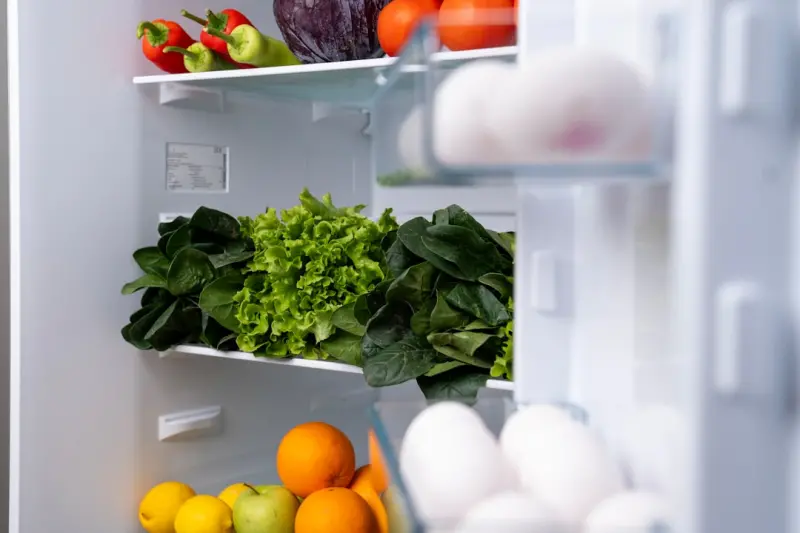
When Your Refrigerator Starts Thinking: The Subtle Shift Toward Empathetic Appliances
It used to be that a fridge was a silent, cold box that kept milk from curdling and ice cream from melting. Today, the humming hub in my kitchen has taken on a personality of its own—one that whispers reminders, learns my cravings, and even nudges me toward greener choices. I’m Mei, and I’ve spent the last few years watching appliances evolve from blunt tools into quiet partners in daily life. This isn’t about the latest gadget hype; it’s about a deeper, almost human connection forming between us and the machines that keep our homes running.
From Mechanical to Mindful: How Sensors Became Sentient
At first glance, a smart oven’s Wi‑Fi badge feels like a marketing gimmick. Yet, behind the sleek interface lies a network of temperature probes, humidity detectors, and motion sensors that collectively paint a picture of my cooking habits. The appliance starts to predict: “You usually bake a loaf at 350°F on Saturdays. Would you like me to preheat now?” It’s not magic; it’s data aggregation, but the result feels intimate.
What’s fascinating is the subtlety of the feedback loop. The more I interact, the better the device becomes at anticipating needs. Over time, the appliance’s “voice” evolves from a sterile beep to a tone that mirrors my own cadence—soft, friendly, and rarely intrusive. It’s a shift from command‑and‑control to conversation.
Why Empathy Matters in the Kitchen
We often hear about empathy in the context of customer service or leadership. Applying it to appliances may sound whimsical, but the concept is practical. An empathetic appliance reduces friction. Imagine a dishwasher that detects a heavier load and automatically extends its cycle, or a coffee maker that senses a lower water pressure and alerts you before the brew turns sour. These micro‑adjustments save time, reduce waste, and—most importantly—protect the relationship between user and device.
Research into human‑machine interaction shows that when users feel heard—even by a machine—they’re more likely to adopt new technology and treat it with care. The result? Longer appliance lifespans and a smaller environmental footprint.
Data Ethics: The Invisible Sensors Inside Your Kitchen
Behind every intelligent feature is a trove of data: usage patterns, energy consumption, even the times you open the fridge at midnight. The ethical handling of this data is paramount. Manufacturers are now faced with a choice: harvest every byte for profit or adopt a responsible framework that respects privacy.
One emerging standard is “data minimalism.” Appliances only store the data necessary for immediate functionality and discard it after a short retention period. Moreover, many brands now offer transparent dashboards where users can see exactly what is being collected, adjust settings, or delete histories altogether. This openness builds trust and encourages more meaningful interactions.
For those of us who love tinkering, the ability to export data into a CSV file and visualize usage trends can be a rewarding hobby. You might discover that you’re using the oven’s convection mode more often than you realized, prompting a deeper dive into energy-saving techniques.
Smart Appliances Meet Sustainable Living
Eco‑consciousness is no longer a niche concern; it’s a mainstream demand. Smart appliances are uniquely positioned to drive sustainability at the household level. A refrigerator equipped with a smart defrost cycle can reduce energy spikes, while an AI‑enabled washing machine can calibrate water levels based on load weight, shaving off gallons with each wash.
Some manufacturers have taken a step further by integrating carbon‑footprint calculators directly into the device interface. After a week of usage, the appliance might display a simple badge: “You saved 12 kg CO₂ compared to last month.” Seeing tangible numbers transforms abstract environmental goals into everyday victories.
When combined with renewable energy sources, the impact multiplies. A solar‑powered smart fridge can sync its heavy‑cooling cycles with peak sunlight hours, effectively storing excess energy for later use. The result is a household that not only consumes less but also contributes to a cleaner grid.
Designing for Longevity: The Modular Upgrade Paradigm
Traditionally, a broken appliance meant a costly replacement. Today’s designers are embracing modularity, allowing components—like compressors, heating elements, or control boards—to be swapped without discarding the entire unit. This approach extends product lifespans and aligns with the circular economy ethos.
Take the example of a modular dishwasher. If the water pump fails, you can replace just that module, preserving the insulated shell, racks, and outer aesthetics. The process is often as simple as unscrewing a few brackets and snapping in a new part. It reduces landfill waste and cuts down on the environmental cost of manufacturing new appliances.
From a consumer standpoint, this model offers financial predictability. Instead of budgeting for a full appliance every few years, you allocate a modest maintenance fund for periodic upgrades. Over time, the savings compound, and the household enjoys the latest technology without the guilt of constant disposal.
Interoperability: Appliances as Part of the Smart Home Orchestra
One of the most exciting trends is the seamless conversation between appliances and other smart devices. Your refrigerator can now sync with a voice assistant, which in turn coordinates with a smart thermostat. The result is a harmonious ecosystem where each component optimizes the whole.
Imagine this scenario: You’re running late, and a notification pops up on your phone—“Your oven has preheated, and the dishwasher cycle will finish in 10 minutes.” Meanwhile, your smart thermostat lowers the heating slightly, anticipating that you won’t be home for a while. This orchestration saves energy and reduces the cognitive load on the user.
To achieve true interoperability, industry standards like Matter are gaining traction. By adhering to common protocols, appliances from different brands can “talk” to each other without the need for proprietary bridges. This openness encourages innovation and prevents vendor lock‑in, a win‑win for consumers and developers alike.
Human‑Centric Interfaces: From Buttons to Conversations
While touchscreens and apps have become ubiquitous, the next frontier lies in natural language interaction. Voice commands are no longer limited to “Turn on the oven.” Modern appliances can understand context: “Set the oven to the temperature I used for the lasagna last week.”
But voice isn’t the only path. Gesture recognition, haptic feedback, and even ambient lighting cues are emerging as subtle ways to communicate appliance status. A gentle blue glow on the fridge door could indicate that the interior temperature is optimal, while a soft chime might signal that the water filter needs replacement.
These multimodal interfaces reduce reliance on visual attention, freeing up mental bandwidth—especially valuable in bustling kitchens where eyes are often on the pot, not the screen.
Balancing Innovation with Simplicity
There’s a fine line between a feature‑rich appliance and an overcomplicated gadget. The most successful designs strip away the unnecessary while preserving the core experience. Simplicity isn’t about limiting capabilities; it’s about presenting them intuitively.
One practical tip is to start with a single “hero” feature that solves a real pain point. For instance, a fridge that alerts you when the door has been left open for more than three minutes directly addresses a common annoyance. Once that foundation is solid, additional layers—like inventory tracking or recipe suggestions—can be built on top without overwhelming the user.
From my perspective, the best appliances feel like an extension of your own habits. You don’t have to read a manual; the device learns you.
Future Glimpse: Appliances That Anticipate Life Events
Looking ahead, I envision appliances that sync with life milestones. A newly‑wed couple might receive a “welcome home” package where the fridge suggests grocery lists based on shared dietary preferences. A growing family could have the washing machine automatically adjust cycles during peak laundry seasons.
These anticipatory features rely on a blend of AI, personal data (opt‑in, of course), and thoughtful design. The goal isn’t surveillance—it’s partnership. When appliances align with our life rhythms, they become silent allies, quietly enhancing wellbeing.
Practical Steps to Embrace the Empathetic Appliance Era
- Audit Your Current Devices: Identify which appliances already have smart capabilities and explore their settings. Often, simple firmware updates unlock new features.
- Prioritize Data Transparency: Choose brands that offer clear data policies and give you control over what’s collected. Look for options to export or delete usage logs.
- Consider Modular Options: When replacing an appliance, ask about upgradeable components. This can save money and reduce waste in the long run.
- Integrate Thoughtfully: Use platforms like AI‑driven personalization to ensure your devices speak a common language, but avoid over‑automation that strips away human control.
- Leverage Cross‑Domain Insights: Learn from other smart ecosystems—like the smart pet integration movement—to inspire creative appliance usage.
- Stay Curious: Treat each interaction as a data point for personal optimization. Over time, you’ll notice patterns that help you save energy, reduce food waste, and even improve your cooking confidence.
Conclusion: The Quiet Revolution Is Already Here
Appliances are no longer background actors; they’re quietly stepping into the spotlight as empathetic partners. By embracing data ethics, modular design, and seamless interoperability, we can transform our kitchens and laundry rooms from static spaces into dynamic ecosystems that support sustainability, convenience, and personal growth. The next time your fridge beeps a gentle reminder, consider it not just a notification, but a small gesture of understanding—proof that technology, when crafted with care, can indeed feel a little more human.

Mei Chen is a dynamic professional who brings a unique blend of skills to Blogging Fusion. As a key contributor to the Blogging Fusion platform, she leverages her writing expertise to create engaging content that resonates with our audience.
Related Posts
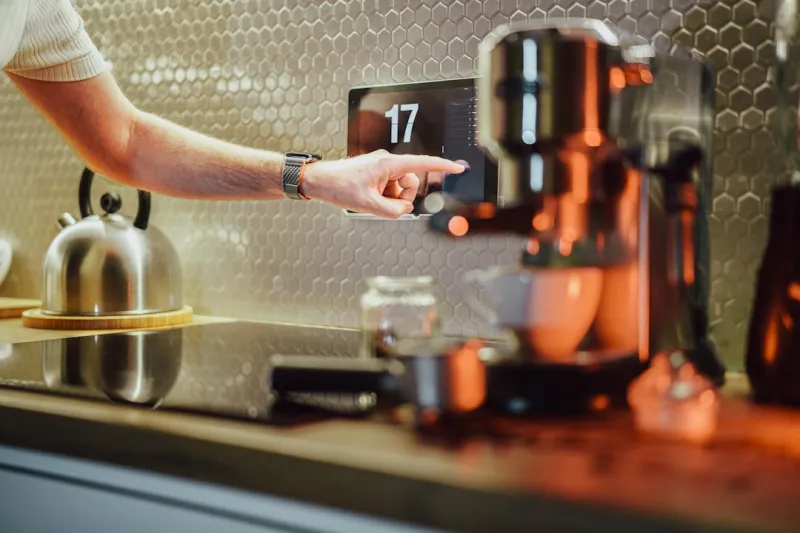
The Future of Home Appliances: How Sustainable Living is Revolutionizing the Industry
The home appliance industry is undergoing a significant transformation, driven by growing concerns a... Read More
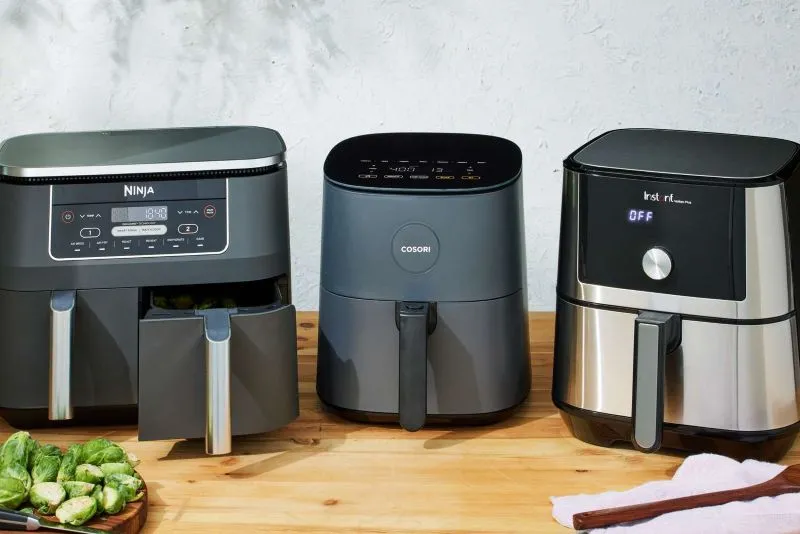
The Ultimate Guide to the Best Air Fryers and Their Health Benefits
Air fryers have revolutionized modern cooking, offering a tantalizing blend of convenience and healt... Read More

When Appliances Get Clever: How Data Is Changing the Kitchen and Office
Smart appliances are evolving from simple machines into proactive, data‑driven partners that predi... Read More
Top Posts

The Double-Edged Sword: Essential Truck Mods and the Warranty Tightrope
The allure of the pickup truck is undeniable. More than just a mode of transportation, for many, it’s a trusted companion, a tool of the trade, and a symbol o...Read More

The Connection Between Sustainable Living and Health
Sustainable living is not just about reducing our carbon footprint; it's also about promoting a healthier lifestyle and improving overall well-being. Learn how ...Read More

Plugin Ecosystems: The Silent Powerhouse Behind SaaS Expansion
A deep dive into why plugin marketplaces are becoming the core growth engine for SaaS, covering economics, security, monetization, community building, and the m...Read More
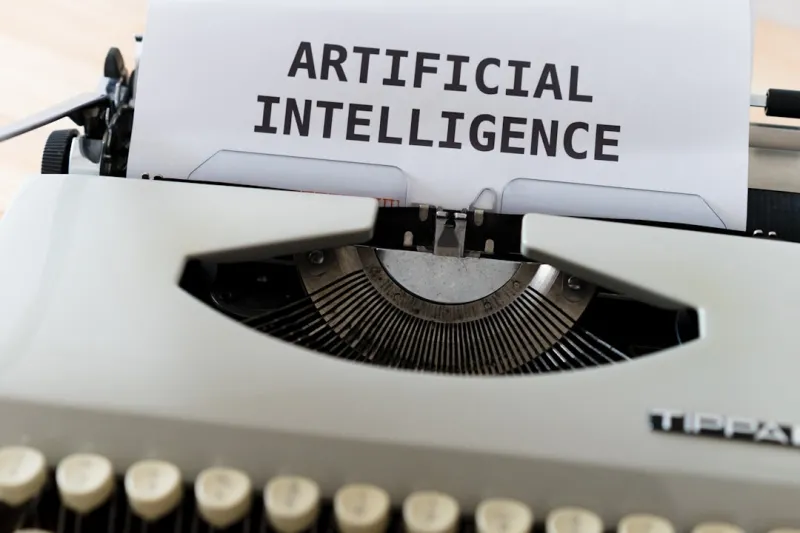
The AI Revolution: How Artificial Intelligence is Changing the Game
The AI revolution is transforming industries and redefining the future of technology. Learn how AI is changing the game and what the future holds....Read More
0 Comments
Post Comment
You will need to Login or Register to comment on this post!