
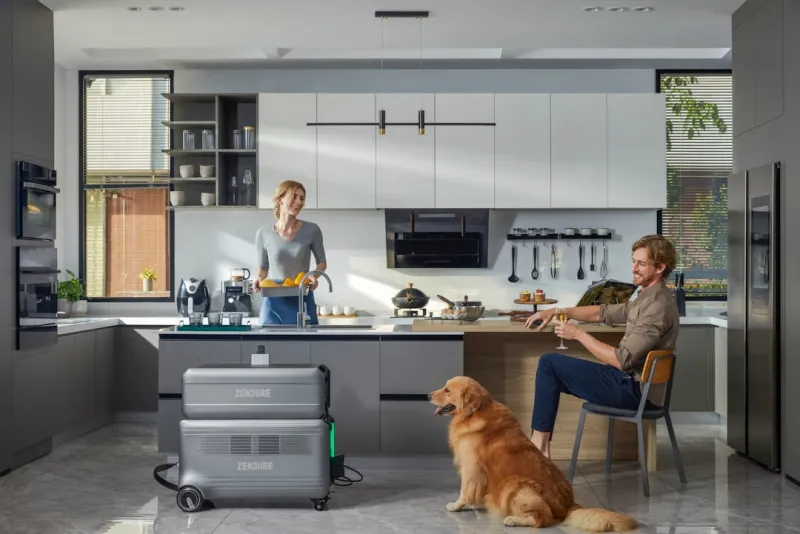
AI‑Powered Appliances Are No Longer a Luxury
In 2026 the kitchen has become a quiet data hub, where refrigerators predict grocery needs, ovens adjust heat curves in real time, and dishwashers learn the optimal cycle based on load composition, all thanks to embedded AI chips that were once reserved for high‑end smartphones. Machine learning algorithms now analyze usage patterns, weather forecasts, and even electricity price spikes to fine‑tune performance, delivering up to 30% energy savings compared with the static models of just a few years ago, and the shift is visible on every product shelf from entry‑level to premium lines. As a longtime tech enthusiast who grew up watching early smart‑home demos, I find the seamless integration of voice assistants, predictive maintenance alerts, and adaptive cleaning schedules to be the most compelling proof that appliances have finally caught up with the rest of the connected ecosystem.
Eco‑Efficiency Is the New Buying Criterion
The push toward zero‑carbon homes has forced manufacturers to redesign compressors, motors, and heating elements with recyclable materials and low‑loss circuitry, resulting in Energy Star ratings that now factor in lifecycle emissions, not just operating power. Consumers are demanding transparent carbon footprints printed on labels, and many retailers have begun offering carbon‑offset subscriptions that automatically purchase renewable credits proportional to the appliance’s annual consumption. This sustainability focus dovetails with the rise of smart grid programs that reward households for shifting high‑energy tasks to off‑peak windows, turning a traditional washing cycle into a strategic, cost‑saving event that also eases strain on regional utilities.
Seamless Home Integration Is the Norm
Modern appliances speak the same language as smart thermostats, lighting hubs, and security systems, using open‑source protocols like Matter to guarantee interoperability without vendor lock‑in, and this uniformity is a game‑changer for homeowners who want a single dashboard for everything from a fridge’s inventory list to a dryer’s humidity sensor. The rise of edge computing means that data processing happens locally, preserving privacy while still enabling rapid response times for tasks such as adjusting a freezer’s temperature the moment a door is left ajar. This level of coordination not only reduces waste but also empowers users to create custom automations—like pausing a dishwasher when a solar panel system signals a dip in generation—without needing a developer’s assistance.
Modular Design Makes Repairs Simple
One of the most welcomed trends among DIY‑savvy consumers is the move toward modular components that can be swapped out like building blocks, eliminating the need for costly service calls and extending product lifespans dramatically. Brands now ship appliances with interchangeable panels, upgradeable control boards, and tool‑free access points, allowing owners to replace a faulty pump or upgrade a sensor with a simple click, a concept that mirrors the modularity seen in high‑performance laptops. This repair‑first mindset not only aligns with the circular economy but also creates new revenue streams for manufacturers who sell certified upgrade kits directly through their online portals.
Renewable Energy Compatibility Accelerates Adoption
As solar installations become commonplace on suburban roofs, appliance makers are engineering devices that can operate directly from DC power, bypassing the inefficient inverter step and boosting overall system efficiency by up to 15 percent, a leap that makes renewable‑powered homes far more viable in regions with variable sunlight. Smart inverters now communicate with appliances to orchestrate load‑shifting, ensuring that a high‑energy washer runs only when excess solar generation is available, while a refrigerator can draw from a battery buffer during night‑time peaks. This symbiotic relationship between home energy storage and appliance operation not only cuts utility bills but also provides a tangible pathway toward true energy independence.
Smart Shopping Strategies for the Conscious Consumer
When it comes to purchasing new gear, the modern shopper is armed with data, reading detailed energy consumption graphs, reading third‑party sustainability certifications, and even consulting predictive price‑trend tools that forecast when a model’s price will dip after a new generation launches. A recent article on Shop Smarter in 2026 highlighted how bundling appliances during promotional windows can lock in lower rates while also qualifying for manufacturer‑provided recycling programs for older units. Moreover, leveraging community forums and reviewing firmware update histories can reveal which brands prioritize long‑term software support, an often‑overlooked factor that directly influences the lifespan and resale value of smart appliances.
Brand Leaders Are Pioneering Real‑World Solutions
Companies that once dominated solely through design aesthetics are now investing heavily in research labs focused on thermodynamics, AI ethics, and material science, resulting in products like a refrigerator that uses vacuum‑insulated panels made from reclaimed aerogel and an oven that self‑calibrates using infrared mapping to ensure even browning without human intervention. The Industrial Innovation in 2026 report cites several manufacturers that have achieved a 40 percent reduction in water usage by redesigning dishwasher spray arms to create a high‑velocity mist, a breakthrough that simultaneously shortens cycle times and conserves one of our most precious resources. These advances underscore a market shift where performance, sustainability, and intelligence are no longer separate selling points but interwoven pillars of product strategy.
The Road Ahead: AI, Robotics, and Predictive Living
Looking forward, the convergence of generative AI with appliance hardware promises a future where kitchens can autonomously design weekly menus based on nutritional goals, pantry stock, and dietary restrictions, then program the oven, stovetop, and even the coffee maker to execute the plan with minimal human oversight. Robotics will augment this vision, with modular arms capable of loading trays, sorting recyclables, and performing routine maintenance tasks, effectively turning the household into a self‑optimizing organism. While these capabilities sound futuristic, early pilot programs are already delivering measurable reductions in food waste and energy consumption, hinting that the next wave of home automation will be defined not just by connectivity, but by truly proactive, self‑learning behavior.
Actionable Steps to Future‑Proof Your Kitchen Today
To stay ahead of the curve, start by auditing your current appliances for energy ratings, then prioritize replacements that feature open‑source communication protocols and modular components, ensuring longevity and compatibility with emerging smart‑home ecosystems. Take advantage of rebates offered by utilities for installing DC‑compatible models, and consider pairing new purchases with a home battery system to maximize renewable energy usage during peak demand periods. Finally, keep an eye on industry publications like the SEO Trends 2026 guide, which, while focused on digital marketing, often surfaces early signals of consumer tech trends that can inform your next smart‑appliance investment.

Ryan Stuart is a seasoned freelance features writer, editor, and professional photographer with a passion for exploring the world and capturing its beauty through words and images.
Related Posts

Why Your Kitchen Appliances Deserve a Second Chance
A fresh look at reviving old appliances, cutting costs, and building a resilient kitchen without cha... Read More

Why Your Kitchen Appliances Need a Software Upgrade (And How to Make It Happen)
A deep dive into the three pivotal shifts—ambient integration, predictive maintenance, and sustain... Read More

Breville Juicer and what I like about it?
In an era increasingly defined by a conscious pursuit of well-being, the art of juicing has transcen... Read More
Top Posts

Tokenized Real Estate & AI Budgeting: A New Era for Everyday Investors
Explore the fusion of tokenized property assets and AI-driven budgeting, and learn practical steps to turn small savings into diversified, future‑proof invest...Read More

The Mystery: Examining the Edibility and Safety of the Green Stuff in Lobster
The American lobster (Homarus americanus) is a globally prized delicacy, heralded for its sweet, succulent tail and claw meat. Yet, nestled within the shell is ...Read More

Eco-Cleaning: A Sustainable Approach to a Healthier Home
Eco-cleaning is a movement that's all about making conscious choices to create a healthier home and a more sustainable future. Learn how to make simple swaps an...Read More

Mastering SERP Features: Turning Zero‑Click Searches into SaaS Growth Engines
Learn why modern SERP features are more valuable than traditional rankings and get a step‑by‑step checklist to dominate zero‑click searches for B2B SaaS g...Read More
0 Comments
Post Comment
You will need to Login or Register to comment on this post!