

Reimagining Link Building: From One‑Off Tactics to an Ongoing Relationship Engine
When I first stepped into the world of SEO, link building felt like a game of darts: you throw a few pitches, hope one lands, and celebrate the occasional bullseye. Over the past decade, that mindset has crumbled. Today, the smartest SaaS teams treat links not as static trophies but as dynamic, relationship‑driven assets that continuously fuel traffic, trust, and revenue.
In this post I’ll share the three‑phase framework I use with my own product teams: Discovery, Co‑Creation, and Amplification. It’s a shift from “acquire a backlink” to “cultivate a partnership that yields mutual value over months and years.” By the end, you’ll have a roadmap that turns link building from a quarterly sprint into a sustainable growth engine.
Phase 1: Discovery – Mapping the Ecosystem Before You Reach Out
The first mistake most marketers make is diving straight into outreach emails. They assume that if a site has high domain authority, a single mention will boost rankings. In reality, authority is only one piece of the puzzle; relevance, audience overlap, and brand alignment matter just as much.
Start by constructing an Ecosystem Map that visualizes three layers:
- Core Influencers: Thought leaders, industry analysts, and high‑traffic publications that shape buyer conversations.
- Strategic Allies: Complementary SaaS products, integration partners, and niche blogs that serve a shared audience.
- Community Hubs: Forums, Slack communities, and Reddit threads where your target personas ask questions.
Tools like Ahrefs, SEMrush, or even the designing on‑page SEO for accessibility and human‑centric experiences guide can help you identify where your brand already shows up and where gaps exist. Export the data into a spreadsheet, assign a relevance score (0‑10), and prioritize the top 20 prospects.
Why this matters: By visualizing the ecosystem, you avoid the scattergun approach that yields low‑quality links and wasted time. You also uncover hidden opportunities—like a niche community that hasn’t been tapped by competitors yet.
Phase 2: Co‑Creation – Building Content That Serves Both Audiences
Once you know who to target, shift from “I want a link” to “What can we build together?” The most effective link‑building campaigns are co‑authored assets that solve a real problem for both parties’ audiences.
Here are three formats that consistently outperform generic guest posts:
- Joint Research Reports – Combine your product data with a partner’s insights to produce a benchmark study. Publish the findings on both sites, and each gets a backlink plus a share of the promotion.
- Interactive Tools – Build a calculator, ROI model, or audit checklist that lives on a partner’s domain but pulls data from your API. Users benefit from the tool, and the partner gains a high‑engagement asset.
- Live Virtual Events – Co‑host webinars or panel discussions. The event page on the partner’s site earns a backlink, while you tap into a warm, engaged audience.
When proposing co‑creation, frame your pitch around the partner’s goals. A typical outreach email might read:
“Hey Alex, I’ve noticed your recent piece on SaaS integration challenges. My team has aggregated data from 500+ customers that could enrich a benchmark report on integration ROI. Would you be open to a joint study that we can both promote?”
This approach not only increases acceptance rates but also guarantees the resulting link is contextually relevant—a key factor Google’s algorithms continue to prioritize.
Phase 3: Amplification – Turning a Single Link into a Traffic Multiplier
Securing the link is only half the battle. To truly extract value, you must amplify the asset across multiple channels:
- Social Amplification: Share the co‑created piece on LinkedIn, Twitter, and relevant Slack groups. Tag your partner and encourage them to do the same.
- Email Nurture: Add the asset to your drip campaigns. A prospect who sees the joint report in an onboarding email perceives higher credibility.
- Paid Retargeting: Use a small budget to retarget visitors who landed on the partner page, guiding them back to your site for deeper conversion pathways.
Tracking the impact requires a link performance dashboard. Set up UTM parameters for every promotion, monitor referral traffic, and watch for lift in rankings for the target keyword. Over time you’ll see a compounding effect: each new backlink fuels more referral traffic, which in turn boosts domain authority, making future outreach easier.
Leveraging Internal Resources for a Holistic Strategy
Our organization’s internal knowledge base is a goldmine for link‑building inspiration. For instance, the Microlearning: The SaaS Team’s Secret Weapon for Continuous Growth post highlighted how bite‑size learning modules can be repurposed into co‑authored mini‑guides for partners. By extracting key takeaways and turning them into a downloadable cheat sheet, we provided a tangible asset that partners were eager to host.
Similarly, the insights from Human‑Centric AI Safety: Building Living Guardrails for SaaS Teams inspired a joint webinar with an AI ethics consultancy. The event generated a high‑authority backlink and positioned both brands as thought leaders in a niche, high‑trust space.
Measuring Success Beyond Domain Authority
While DA (Domain Authority) remains a useful shorthand, it’s insufficient for measuring the ROI of a relationship‑centric link strategy. Focus on these metrics instead:
- Referral Conversion Rate: The percentage of visitors from the partner site who complete a desired action (sign‑up, demo request).
- Engagement Time: How long users stay on the co‑created page, indicating content relevance.
- Link Velocity: The rate at which new backlinks are acquired from the same partner ecosystem, reflecting deepening relationships.
- Brand Sentiment: Social listening for mentions of your brand in the context of the partnership.
When these indicators move in the right direction, you’ve built more than a backlink—you’ve built a partnership that fuels sustainable growth.
Scaling the Framework Across Teams
To embed this approach into your organization, consider the following rollout plan:
- Cross‑Functional Alignment: Bring together SEO, product, sales, and customer success to identify potential allies.
- Playbook Creation: Document outreach templates, co‑creation guidelines, and amplification tactics.
- Pilot Program: Run a 30‑day pilot with two high‑potential partners, track metrics, and iterate.
- Automation Layer: Use CRM workflows to assign outreach tasks, set reminders for follow‑ups, and log link performance.
- Quarterly Review: Evaluate link equity gains, referral traffic, and conversion impact. Adjust partner priorities accordingly.
By treating link building as a product feature—complete with specs, testing, and iterative improvement—you transform a historically “black‑hat” stereotype into a transparent, value‑driven growth lever.
Future‑Proofing Your Link Strategy
The SEO landscape is evolving. With AI‑generated content and automated link‑building services on the rise, Google’s algorithm will increasingly reward genuine human relationships over mass‑produced backlinks. Investing in co‑creation, amplification, and data‑driven measurement positions your brand to thrive regardless of algorithmic shifts.
In summary, the next wave of link building isn’t about chasing metrics; it’s about nurturing ecosystems that amplify each other’s strengths. When you approach backlinks as strategic partnerships, the SEO dividends become a natural by‑product of real, mutual value.

David Moore is a freelance writer specializing in two dynamic and ever-evolving fields: gambling and the tech industry. With a keen eye for detail and a knack for unraveling complex topics, David delivers insightful and engaging content that keeps readers informed and entertained.
Related Posts

Quiet Wins: Unconventional Link‑Building Strategies for SaaS Growth
Explore under‑used link‑building methods—data assets, podcast guest spots, co‑created conten... Read More
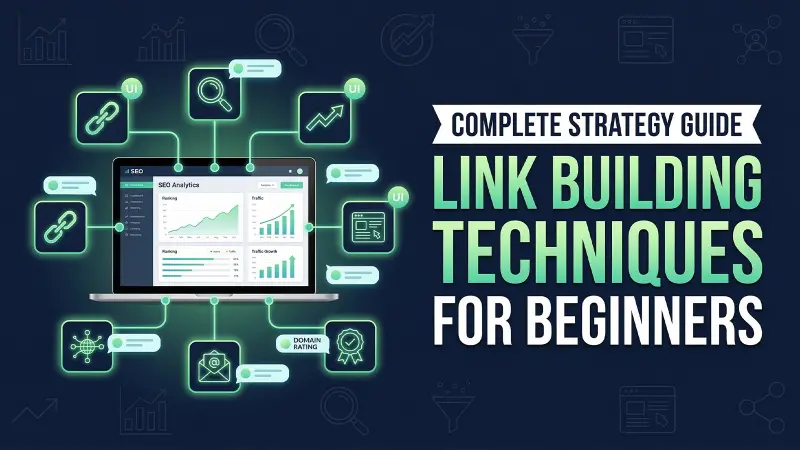
Link Building in the Age of Relationship Marketing
A modern guide to earning backlinks by building genuine partnerships, leveraging podcasts, community... Read More

Link Building as Relationship Building: A Human‑Centric Playbook
Discover how treating links as trust tokens and focusing on genuine collaborations can create sustai... Read More
Top Posts

The Quiet Revolution: How Blockchain Is Rewriting the Rules of Online Gambling
Blockchain is transforming online gambling by providing provable fairness, secure player wallets, and self‑sovereign identity, creating a transparent ecosyste...Read More
Optimizing Your Website for Voice Search: The Future of On-Page SEO
Learn how to optimize your website for voice search and stay ahead of the competition with our expert tips and strategies on voice search optimization and on-pa...Read More

Beyond Chat: Why Google Gemini is the Secret Sauce for Enterprise SaaS Innovation
Google Gemini’s multimodal capabilities let SaaS teams combine text, images, and audio in a single model, unlocking faster support, smarter compliance, and ri...Read More

Cultivating the Future: Speed & Tech in Home Gardens
Discover how fast‑growing microgreens, smart soil tech, and shared garden spaces are redefining home gardening, blending speed with sustainability and communi...Read More
0 Comments
Post Comment
You will need to Login or Register to comment on this post!