
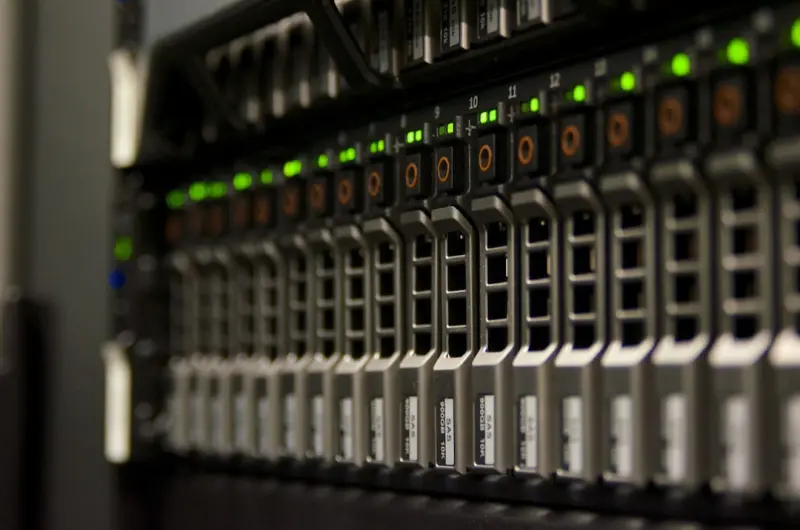
The Real Reason Behind My Switch to Dedicated Hosting
When I first launched my freelance consultancy, I naively assumed that a cheap shared plan would be enough, but after a single traffic surge that slammed my site and sent clients fleeing, I realized that the invisible scaffolding of a web project—its server—demands far more respect than most marketers admit; the experience taught me that downtime isn’t just a metric, it’s a credibility killer that can erode years of trust in minutes, especially when you’re selling expertise that hinges on reliability. By the time I migrated to a dedicated server, the latency dropped from seconds to milliseconds, the CPU spikes vanished, and I finally felt the peace of mind that comes from knowing my digital storefront is backed by hardware that I control, configure, and scale without the opaque constraints of a multi‑tenant environment.
Understanding the Architecture: What Makes Dedicated Hosting Different
At its core, a dedicated server provides an entire physical machine to a single client, which means you own the full spectrum of resources—CPU cores, RAM, storage, and network bandwidth—without the noisy neighbor effect that plagues shared hosting; this isolation translates into predictable performance, because the operating system and applications run on hardware that isn’t constantly battling strangers for cycles, and it also grants you the freedom to install custom kernels, fine‑tune firewalls, and deploy specialized software stacks that would be forbidden on a communal platform. The trade‑off is a higher cost and the responsibility of maintenance, yet the payoff is a level of control that enables you to align every configuration—from kernel parameters to SSD caching policies—with the exact needs of high‑traffic e‑commerce sites, streaming portals, or data‑intensive APIs that demand sub‑second response times.
Security Advantages That Go Beyond the Basics
Security on a shared host is often reduced to a one‑size‑fits‑all firewall rule set, leaving you vulnerable to cross‑site contamination when another tenant on the same machine is compromised; dedicated hosting eliminates that risk by physically separating your environment, allowing you to implement a layered defense strategy that includes custom intrusion detection systems, strict access controls, and encrypted storage partitions without fearing that a neighboring site will override your policies. Moreover, with full root access you can apply security patches on your schedule, integrate hardware‑based TPM modules for key management, and even deploy network‑level DDoS mitigation appliances that sit directly in front of your server, turning security from a reactive checklist into a proactive, continuously evolving shield.
Performance Tailored to Business Goals
When I benchmarked my new dedicated environment against the old shared setup, the difference was stark: page render times fell by over 60 %, database query latency dropped to near‑zero, and concurrent user capacity skyrocketed, which meant my clients could now run flash sales, live webinars, and real‑time dashboards without fearing a crash; this level of performance isn’t just a vanity metric—it directly impacts conversion rates, search rankings, and user satisfaction, creating a virtuous cycle where speed fuels growth, and growth justifies further investment in infrastructure. In practice, I’ve been able to allocate resources dynamically, scaling CPU cores during peak hours and throttling them during off‑peak periods, all while monitoring metrics through a custom Grafana dashboard that gives me granular visibility into every facet of server health.
Cost‑Effectiveness Over Time
While the upfront price tag of a dedicated server can seem intimidating, the total cost of ownership often undercuts the hidden expenses of shared hosting, such as the lost revenue from downtime, the need for third‑party CDN services to compensate for poor performance, and the recurring fees for premium support that many shared providers charge to patch security holes; when you calculate the ROI based on increased traffic, higher conversion rates, and the reduced need for external optimization tools, the dedicated solution pays for itself within months, especially for businesses that rely on high‑stakes transactions or mission‑critical applications. Additionally, many providers now offer flexible billing models, allowing you to start with a modest configuration and upgrade incrementally as your traffic grows, which turns the perceived barrier of cost into a manageable, scalable investment.
Customization That Fuels Innovation
One of the most liberating aspects of dedicated hosting is the ability to experiment with cutting‑edge technologies without the shackles of shared‑environment restrictions; I’ve deployed container orchestration platforms, set up GPU‑accelerated instances for AI inference, and even run a private CDN node on the same machine, all of which would be impossible on a shared host that forbids custom Docker images or kernel modules; this freedom empowers developers to prototype new features, test beta releases, and integrate emerging tools like serverless functions directly onto the bare metal, fostering a culture of rapid innovation that keeps the business ahead of the competition.
Real‑World Success Stories and Lessons Learned
Companies that have transitioned from shared to dedicated hosting often report a surge in reliability, with some noting a 99.99 % uptime SLA that translates to near‑continuous availability for global audiences; a notable example is a SaaS startup that, after moving to a dedicated server, saw its churn rate drop dramatically because users no longer experienced the occasional lag that previously drove them to competitors, and the engineering team was finally able to implement automated backups, disaster recovery drills, and a zero‑downtime deployment pipeline that had been impossible under the constraints of a shared environment. If you’re curious about how visual search trends are reshaping performance expectations, take a look at the discussion on visual search trends, which underscores the need for lightning‑fast image processing—a task that thrives on the dedicated resources I now enjoy.
Choosing the Right Provider: What to Look For
The market is flooded with hosting options, but the key differentiators for a quality dedicated service include network redundancy, hardware warranty coverage, responsive technical support staffed by Linux/Windows experts, and transparent SLA terms that guarantee uptime and remediation times; I recommend probing for data center certifications such as ISO 27001, checking if they offer managed services for routine patches, and verifying that they provide a clear upgrade path that aligns with your growth projections, because a provider that locks you into obsolete hardware can quickly become a bottleneck. In my own search, I also valued providers that offered a knowledge base with tutorials on optimizing MySQL configurations and securing SSH access, resources that saved me countless hours of trial and error and accelerated the transition process.
Future‑Proofing Your Digital Presence
Looking ahead, the demands on web infrastructure will only intensify as technologies like edge computing, AI‑driven personalization, and immersive media become mainstream; a dedicated server lays a solid foundation for these future workloads by offering the raw horsepower and configurability needed to integrate edge nodes, run machine‑learning inference at the edge, and serve 4K video streams without compromising latency, ensuring that your digital presence remains resilient and performant as user expectations evolve. To stay ahead, I’ve begun exploring how AI personal coaching tools—like those highlighted in AI personal coaching—can be embedded directly into server‑side scripts to automate scaling decisions, predict traffic spikes, and proactively allocate resources, turning the server into an intelligent partner rather than a static slab of metal.

Margaret Thomson is a seasoned freelance writer specializing in the dynamic worlds of marketing and advertising. With a career deeply rooted in the marketing field, Margaret brings a wealth of practical experience and insightful knowledge to her writing.
Related Posts
Dedicated Hosting: The Silent Engine Behind High‑Performance SaaS
Dedicated hosting offers SaaS teams unmatched performance, cost predictability, and deep customizati... Read More
Dedicated Hosting: The Compliance Backbone for Modern SaaS
Dedicated hosting provides SaaS companies with isolated, predictable, and secure infrastructure, ess... Read More

Dedicated Hosting: The Creative’s Secret Weapon for Speed, Security, and Scale
Dedicated hosting transforms a creator’s workflow with blazing speed, rock‑solid security, and e... Read More
Top Posts

Turning Google Analytics Into a SaaS Growth Engine
A deep dive into using Google Analytics beyond pageviews—learn event‑centric tracking, human‑focused segmentation, predictive insights, and privacy‑firs...Read More

The Digital Companion: How Seniors Can Thrive with Modern SaaS Tools
A senior-friendly guide shows how cloud‑based software can simplify health monitoring, financial management, social interaction, and continuous learning, empo...Read More

Resilience and Readiness: A Guide to Power Outage Preparation and Safe Generator Deployment
A reliable electrical power is not merely a convenience—it is the foundational necessity driving residential comfort, business continuity, and critical public...Read More

The Future of Home Appliances: How Sustainable Living is Revolutionizing the Industry
The home appliance industry is undergoing a significant transformation, driven by growing concerns about climate change and the environment. Sustainable living ...Read More
0 Comments
Post Comment
You will need to Login or Register to comment on this post!