
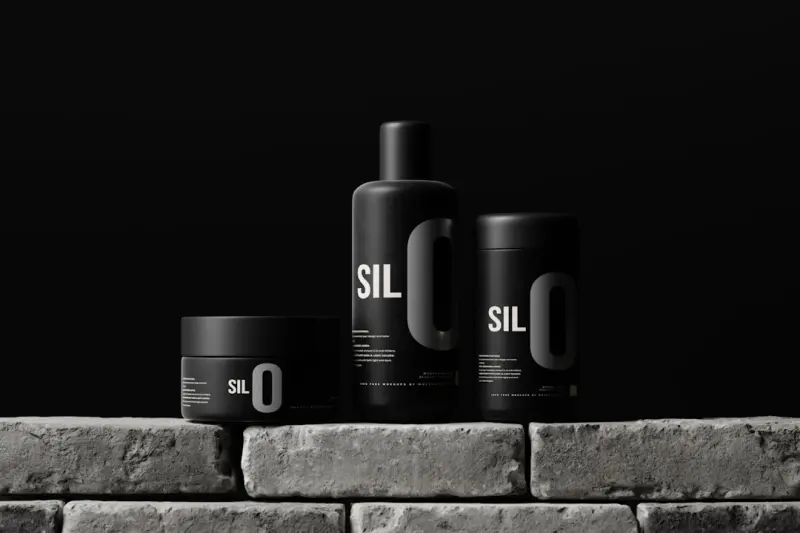
Imagine stepping into your bathroom and being greeted not just by the familiar scent of soap, but by a carefully orchestrated symphony of aromas, sounds, and textures that together elevate your daily grooming into a restorative ritual. This isn’t a futuristic fantasy—it’s the emerging frontier of holistic personal care, where science meets sensibility to create experiences that nurture both body and mind. In this deep dive, I’ll explore how sensory layering, tech‑enhanced feedback, and sustainability can transform the way we approach self‑maintenance, and why you should consider weaving these elements into your own routine.
Why Sensory Integration Matters
Our senses are the primary gateways through which we interpret the world, and they play a pivotal role in how we perceive our own bodies. While traditional personal care has largely focused on visual appeal—think sleek packaging and flawless skin tones—there’s a growing body of research indicating that multi‑sensory stimuli can trigger hormonal cascades that improve mood, reduce inflammation, and even accelerate skin repair.
- Olfaction (smell): Aromas like lavender, citrus, and green tea have been shown to lower cortisol levels, which in turn can calm the skin’s stress response.
- Auditory (sound): Gentle, low‑frequency sounds—such as the hum of a white‑noise machine or a curated playlist of ambient tones—can slow heart rate and promote deeper breathing during grooming.
- Tactile (touch): Textures that vary from silky serums to granular exfoliants engage mechanoreceptors, improving circulation and enhancing product absorption.
When these elements are deliberately combined, they form a sensory ecosystem that does more than clean or moisturize; they reset your nervous system, making the act of washing your face feel like a mini‑spa session.
Building a Sensory Skincare Routine
Below is a step‑by‑step blueprint for curating a routine that engages all three senses. Feel free to adapt the timeline to your schedule—whether you’re a morning‑person or a night‑owl, the principles remain the same.
1. Set the Stage with Sound
Begin by selecting a soundtrack that aligns with your intention for the session. For a calming experience, opt for ambient tracks with slow tempos (60‑70 BPM) that mimic a resting heart rate. If you need an energizing boost, choose bright, rhythmic beats that stimulate dopamine release. The key is consistency: over time, your brain will associate the chosen soundscape with the start of your self‑care ritual, making it easier to slip into a relaxed state.
2. Choose Aromas That Complement Your Skin Goals
Scents aren’t just pleasant; they have biochemical effects. Here’s a quick guide:
- Acne‑prone skin: Tea tree and eucalyptus have antimicrobial properties that help reduce bacterial overgrowth.
- Dry or sensitive skin: Chamomile and rose offer anti‑inflammatory benefits.
- Anti‑aging focus: Neroli and frankincense stimulate collagen synthesis.
Incorporate these aromas through essential‑oil‑infused cleansers, facial mists, or even a simple diffuser placed near your sink.
3. Tactile Layers: From Cleanser to Serum
Start with a cleanser that matches the texture you desire—gel‑based for a refreshing feel, cream‑based for extra hydration. Follow with an exfoliant that’s gentle enough to use 2‑3 times a week; think sugar granules or enzyme powders that dissolve on contact, providing a micro‑massage without micro‑tears.
Next, apply a serum that uses nanotechnology to deliver active ingredients deeper into the skin. Look for formulations that boast “silky‑smooth” or “lightweight” descriptions, as these often indicate a balanced viscosity that won’t feel heavy post‑application.
4. Seal the Experience with a Multi‑Sensory Moisturizer
Choose a moisturizer that offers both tactile and olfactory satisfaction. Hybrid formulas that blend a light cream base with a subtle scent (e.g., vanilla‑bean or citrus) can lock in hydration while reinforcing the aromatic cues you set earlier. Some cutting‑edge products even embed micro‑encapsulated sound‑responsive particles that release a faint, pleasant vibration when exposed to certain frequencies—an example of how tech is beginning to intersect with sensory care.
Tech‑Enabled Feedback: When Gadgets Meet Skincare
While the sensory approach is rooted in ancient practices, modern technology provides real‑time data to fine‑tune your routine. Wearable devices that monitor skin temperature, moisture levels, and even pH can alert you when your skin is under stress, prompting a quick “reset” with a calming aroma or a short sound break.
One innovative example is the smart mirror. These devices use built‑in cameras and AI algorithms to assess skin texture, spot early signs of dehydration, and suggest product adjustments on the fly. Paired with a Bluetooth speaker, they can also play a tailored soundscape based on the skin’s current condition—think “relax” for stressed skin or “energize” for dullness.
For those who prefer a low‑tech approach, a simple digital wellness journal can track mood, scent preferences, and skin reactions, creating a personal data set that informs future product choices.
Eco‑Friendly Choices: Sustainability Meets Sensory Care
There’s a growing demand for products that respect both personal health and the planet. Here’s how you can align your sensory routine with sustainability:
- Refillable packaging: Look for brands offering glass jars with refill pouches made from recycled materials. This reduces plastic waste while preserving product integrity.
- Zero‑waste tools: Bamboo scrubbers, silicone exfoliation pads, and reusable cotton rounds replace disposable alternatives.
- Plant‑based ingredients: Opt for formulas that source actives from renewable farms, ensuring lower carbon footprints.
When you choose environmentally conscious options, you also support the health of the ecosystems that produce the very botanicals you cherish, completing the circle of care.
Personalizing Your Routine: The Role of AI and Data
Artificial intelligence is no longer confined to predictive analytics for enterprises; it’s entering the realm of personal grooming. Several startups now offer AI‑driven skin assessments that compare your current skin state against a vast database of images, providing personalized product recommendations.
These platforms often incorporate minimalist philosophy—they suggest a streamlined set of products that cover multiple functions, reducing clutter and decision fatigue. The result is a curated regimen that feels both intuitive and effective.
Overcoming Common Hurdles
Implementing a multi‑sensory routine can feel daunting at first. Here are some practical tips to ease the transition:
- Start small: Introduce one new element per week—sound on day one, scent on day two, tactile texture on day three.
- Track results: Use a simple journal to note how your skin feels after each addition. Look for patterns in mood, breakouts, or hydration.
- Adjust based on feedback: If a particular aroma triggers irritation, replace it with a milder alternative. The goal is personalization, not perfection.
The Future of Personal Care
As consumer expectations evolve, we can anticipate even richer integrations: imagine a bathroom equipped with scent‑diffusing tiles that respond to humidity levels, or a showerhead that emits frequencies tuned to stimulate collagen synthesis. While some of these concepts may seem speculative now, they illustrate the trajectory toward an immersive, health‑centric environment where personal care is as much about emotional well‑being as it is about external appearance.
In the meantime, you don’t need a futuristic bathroom to reap the benefits. By thoughtfully combining sound, scent, and texture, you can turn an everyday chore into a nourishing practice that supports both skin health and mental clarity. The power lies in your willingness to experiment and listen to the subtle signals your body sends.
Ready to embark on this sensory journey? Start by picking a favorite playlist, a calming essential oil, and a tactilely pleasing cleanser. Observe how each component influences your mood and skin over the next few weeks, then refine the mix. Before you know it, your bathroom will feel less like a functional space and more like a personal sanctuary—a place where every wash is an opportunity to reset, recharge, and radiate confidence.

Freelance writer with a flare for everything. I am passionate about topics I write crafting stories and compelling content that connect with audiences. Journeying through the realms of creativity as a freelance creator. #WriterLife #ContentCreator
Related Posts

When Sensors Meet Skin: Crafting a Data‑Driven Personal Care Routine
Discover how real‑time skin sensors, collective purchasing power, and robust data security are cre... Read More
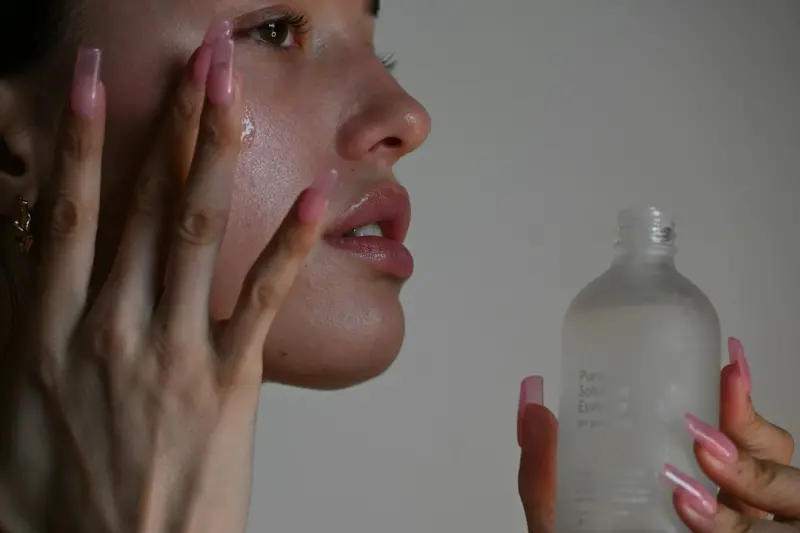
Data-Driven Skincare: The Next Personal Care Revolution
A deep dive into how AI, microbiome science, and sustainable packaging are personalizing skincare, e... Read More

Mindful Grooming: Turning Everyday Personal Care into a Sensory Ritual
Learn to elevate your personal care routine into a mindful ritual that blends sensory awareness, sus... Read More
Top Posts

Start With a Blueprint: Map Your Zones
When I first moved into my downtown loft, I thought “home” was just four walls, a couch, and a Wi‑Fi signal. Six months later, after a series of late‑ni...Read More
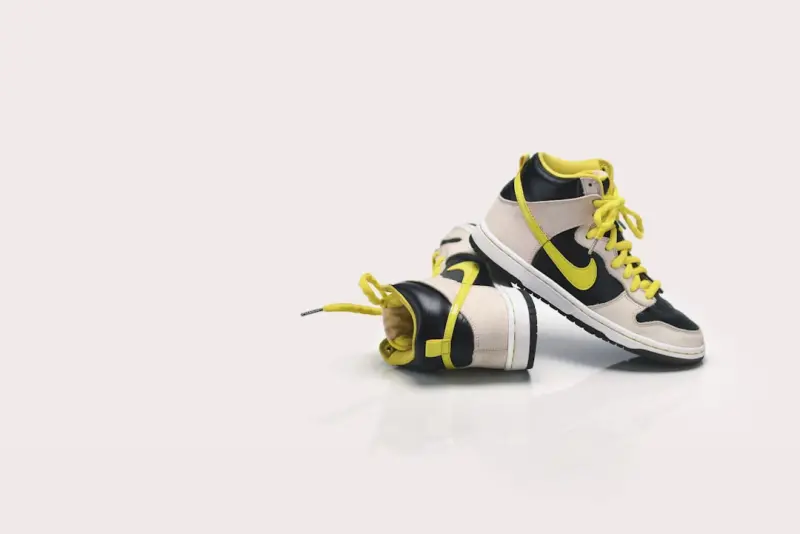
Sneaker Revival: How Vintage Kicks Are Redefining Sustainable Style
Explore the rise of vintage sneakers, from eco‑friendly resale to modern styling tips, and learn how to turn forgotten pairs into fashion statements....Read More

Designing Living Web Experiences: A Framework for Adaptive, User‑Centric Sites
Discover how to build web experiences that evolve with users, using living design systems, micro‑interactions, data‑driven insights, and inclusive practices...Read More
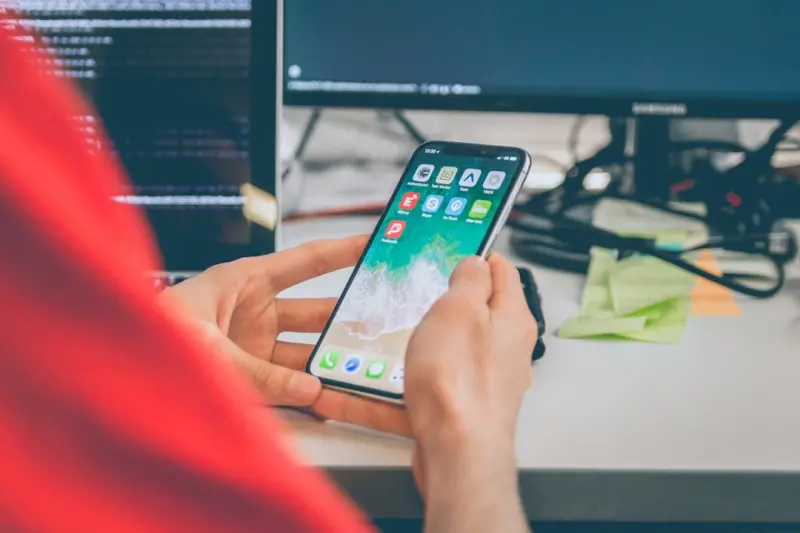
Designing Mobile Apps for Neurodiverse Users: A Fresh Playbook
Learn practical strategies to create mobile apps that serve neurodiverse users, from discovery to validation, leveraging flexible UI, AI personalization, and et...Read More
0 Comments
Post Comment
You will need to Login or Register to comment on this post!