
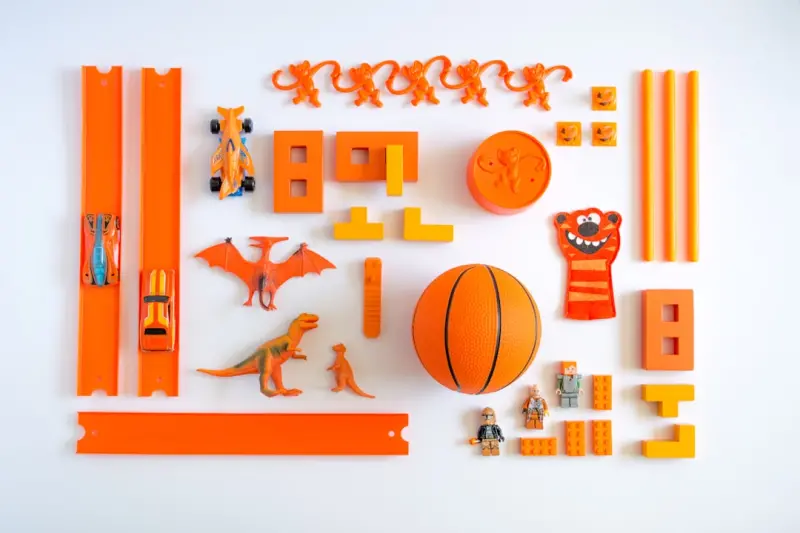
When I first unboxed a modular building set as a kid, the thrill wasn’t just in the finished model—it was in the endless possibilities of recombining the pieces. Today, that same spark is fueling a quiet revolution in the toy industry, where designers prioritize adaptability over static form. Modular toys let children rebuild, redesign, and even collaborate across distances, turning playrooms into ever‑evolving labs of imagination. The shift isn’t just about fun; it’s a strategic response to parents demanding longevity, sustainability, and educational value from the products they buy.
From Static Figures to Dynamic Systems
Traditional toys often arrive with a single, predetermined purpose: a car that rolls, a doll that dresses, a puzzle that fits. Modular systems flip that script by offering interchangeable components that can serve multiple narratives. A single block might become a spaceship today, a castle tomorrow, and a cityscape next week, depending on the child’s evolving interests. This fluidity not only extends the lifespan of each set but also encourages kids to think like engineers, constantly solving problems and iterating designs. In my own workshop, I’ve seen teenagers use the same pieces to prototype simple robotics, proving that the line between play and invention is blurrier than ever.
Beyond the creative payoff, modular toys align with a growing eco‑conscious mindset. Parents no longer want to toss a broken toy into the landfill; they seek products that can be repaired, upgraded, or repurposed. Companies are responding with snap‑fit connectors, recyclable plastics, and open‑source design files that let families print new parts at home. The result is a toy that evolves with the child, reducing waste and fostering a sense of stewardship. It’s a win‑win that resonates with households striving for greener lifestyles while still indulging in the joy of imaginative play.
Community‑Driven Innovation
One of the most surprising outcomes of modularity is the emergence of vibrant creator communities. Enthusiasts gather on forums, social media groups, and even local meet‑ups to swap designs, share custom pieces, and co‑create massive collaborative builds. These networks function like open‑source software projects, where each participant contributes incremental improvements that benefit the whole ecosystem. I’ve personally collaborated with a group of adult collectors who use modular components to recreate iconic movie sets, turning hobby rooms into miniature museums that draw visitors from across the city.
The communal aspect also fuels a feedback loop for manufacturers. By monitoring which modules sell best, which connectors cause frustration, and which custom designs go viral, companies can iterate faster than ever before. This agile approach mirrors the way tech firms roll out updates, but applied to physical playthings. For instance, a leading brand recently launched a crowdsourced expansion pack after noticing a surge in user‑generated space‑station designs on a popular forum. The result was a product line that felt both tailor‑made and universally appealing.
For adults, modular toys have become a gateway to nostalgic yet sophisticated collecting. The same building blocks that once sparked childhood wonder now serve as a canvas for intricate art installations, tabletop RPG terrain, and even functional furniture prototypes. This crossover blurs the line between hobbyist and professional, inviting a broader demographic to engage with the medium. As a result, the market is witnessing a surge in premium, limited‑edition modules that cater to both aesthetic sensibilities and technical precision.
Practical Tips for Parents and Collectors
If you’re considering diving into the modular toy world, start with a core set that offers a robust connector system—think LEGO Technic, K’NEX, or newer magnetic options. Look for kits that provide a diverse palette of shapes and colors, as variety fuels creativity. Once you have the basics, explore online repositories for free design files; many creators share STL files for 3D‑printed extensions that seamlessly integrate with mainstream systems.
- Invest in storage solutions that keep pieces organized and accessible.
- Encourage collaborative building sessions with siblings or friends to spark social learning.
- Set aside regular “re‑design” nights where the goal is to transform an existing build into something new.
When expanding your collection, consider the insights from analog creators who value tactile feedback and hands‑on iteration. Their emphasis on physical manipulation can guide you toward modules that feel satisfying to snap together, reducing the frustration that sometimes accompanies overly complex systems. Additionally, keep an eye on industry trends by following posts like smart tool selections, which often highlight emerging connector technologies that could future‑proof your investments.
Finally, remember that the true power of modular toys lies not in the pieces themselves but in the stories you and your family craft around them. Whether you’re constructing a medieval kingdom, a futuristic city, or a replica of your favorite movie set, each iteration becomes a shared memory, a lesson in problem‑solving, and a testament to the limitless potential of imagination. By embracing modularity, you’re not just buying a toy—you’re inviting an ever‑changing adventure into your home.

David Moore is a freelance writer specializing in two dynamic and ever-evolving fields: gambling and the tech industry. With a keen eye for detail and a knack for unraveling complex topics, David delivers insightful and engaging content that keeps readers informed and entertained.
Related Posts

The Anticipated Holidays: A Professional Outlook on This Christmas Season's Must-Have Toys
As the festive season approaches, the global toy market enters its most dynamic period, characterize... Read More

When Toys Get Smart: How AI Is Reimagining Playtime
AI-powered toys are reshaping childhood by offering personalized, interactive experiences. Discover ... Read More
Eco‑Friendly Play: A New Chapter for Toys
Sustainable toys go beyond eco‑materials; they foster creativity, longevity, and environmental ste... Read More
Top Posts

Tiny Sensory Rituals to Transform Everyday Life
Learn to build a personal sensory sanctuary using brief, intentional rituals that engage sight, sound, scent, touch, and taste, enhancing focus and wellbeing....Read More

Chasing Trails: How a Sprint Mindset Transforms Outdoor Adventures
Explore how a sprint mindset reshapes hiking, from micro‑goals and gear tweaks to community sprints, turning every trail into a series of purposeful, exhilara...Read More
Designing a Mood‑Boost Home: How Color, Light, and Sound Transform Everyday Spaces
A practical guide to creating a home that supports mental health through intentional color choices, adaptive lighting, acoustic comfort, smart storage, and biop...Read More

Interactive Storytelling: The Next Frontier for B2B Content Marketers
Interactive storytelling turns static B2B content into immersive experiences, increasing engagement and lead quality. Discover the strategy, tools, and metrics ...Read More
0 Comments
Post Comment
You will need to Login or Register to comment on this post!