
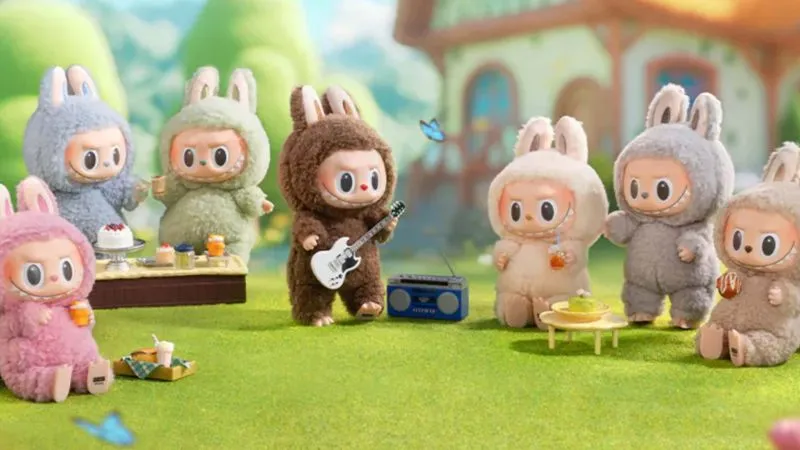
In a world where grandeur often commands attention, the Labubus stand as quiet yet profound exceptions to the rule. These diminutive dolls, no taller than a child’s palm, may appear unassuming at first glance. However, their significance transcends their size, weaving themselves into the emotional, cultural, and social fabric of communities across the globe. From their handcrafted origins to their modern-day roles as symbols of resilience and creativity, Labubus embody the power of small objects to carry immense meaning. This exploration delves into the origins, cultural resonance, and broader impact of these miniature marvels, revealing how their modest stature belies their outsized influence on human lives.
Origins and Evolution: From Local Craft to Global Phenomenon
The story of the Labubus begins in the remote workshops of rural artisan communities, where skilled hands transformed locally sourced materials into intricate figurines. Traditionally crafted from wood, clay, or repurposed textiles, these dolls were born from a blend of utilitarian purpose and artistic expression. Their earliest iterations served practical roles—such as toys for children or ritual objects in local ceremonies—yet they quickly evolved into cherished cultural artifacts.
A pivotal moment in their history occurred when a visionary craftsman, Amina Kari, began infusing the dolls with symbolic motifs reflecting her tribe’s folklore. Each Labubu became a narrative vessel, its features telling stories of ancestral myths or personal milestones. This innovation attracted the attention of collectors and anthropologists, sparking a gradual shift from local craft to a globally recognized art form. By the late 20th century, Labubus had transcended their regional roots, becoming emblematic of a broader appreciation for handmade heritage in an increasingly industrialized world.
Emotional and Cultural Significance: Guardians of Memory and Meaning
What sets Labubus apart is their ability to serve as intimate companions, bridging the tangible and the intangible. Their small size makes them easily held in the hand, a physicality that mirrors their role as emotional anchors. For many, a Labubu is more than a decorative object; it is a talisman of comfort during times of uncertainty. Children clutch them during their first days of school, while adults keep them in offices as reminders of strength and resilience. In some cultures, Labubus are gifted during rites of passage, such as weddings or childbirth, symbolizing continuity and hope.
Beyond individual sentimentality, Labubus also function as cultural custodians. In regions where oral traditions are paramount, each doll’s design—characterized by distinct patterns or colors—acts as a visual language, preserving histories that might otherwise fade. Families pass generations of Labubus down as heirlooms, creating a lineage of craftsmanship and storytelling. This intergenerational transmission is not merely about artistry but about identity. A Labubu may hold the fingerprints of a grandparent, the needlework of a mother, or the first carved lines of a child learning the craft, ensuring that cultural memory lives on in a single, small object.
Social Impact: Community Empowerment and Sustainability
The production of Labubus has also become a catalyst for social change, particularly in underprivileged communities. In many regions, artisan cooperatives have emerged to support women and marginalized groups by providing fair wages and training in traditional handicrafts. These initiatives not only sustain local economies but also challenge systemic inequalities by centering indigenous artistry in the global market. For instance, in a rural Kenyan cooperative, women gather to craft Labubus using recycled materials, transforming discarded fabrics into vibrant dolls that are sold worldwide. This dual approach of economic empowerment and environmental consciousness has made Labubus a symbol of ethical production.
Moreover, the dolls’ eco-friendly ethos resonates with contemporary audiences. As part of the slow craft movement, Labubus are often made from sustainable or upcycled materials, such as bamboo, organic dyes, or repurposed metal. This commitment to environmental stewardship aligns with growing consumer demand for products that reflect personal values. By choosing a Labubu, buyers not only acquire a beautiful artifact but also contribute to a network of artisans who prioritize ecological and social responsibility.
Influence on Art and Fashion: Bridging Traditions and Modernity
The aesthetic of Labubus has also inspired cross-disciplinary innovation, particularly in the realms of art and fashion. Designers and artists have drawn from their whimsical forms and symbolic motifs to create contemporary works that honor traditional craftsmanship while reimagining it for new contexts. For example, a 2023 Parisian fashion house incorporated Labubu-inspired embroidery into a haute couture collection, blending the dolls’ intricate patterns with modern silhouettes. Similarly, art installations have used clusters of Labubus to explore themes of migration, memory, and cultural hybridity, their tiny forms juxtaposed with monumental canvases to provoke reflection on scale and heritage.
This fusion of old and new has also fostered intercultural dialogue. Exhibitions such as Miniatures of the World have showcased Labubus alongside other tiny objects from global traditions, sparking conversations about the universal human impulse to create small things with deep meaning. Whether adorning a scarf or standing as part of a museum exhibit, Labubus continue to prove that art and storytelling need not be grand to be profound.
Challenges and the Road Ahead: Preserving Legacy in a Changing World
Despite their celebrated impact, Labubus face challenges in an era of mass production and digital distraction. The rise of factory-made imitations threatens to dilute the dolls’ authenticity, reducing their value as handcrafted heirlooms. Additionally, the allure of fast fashion and flashy gadgets risks overshadowing the quiet charm of handmade objects. To combat this, artisan communities are leveraging storytelling and digital platforms to connect with new generations. Online workshops, for instance, teach the intricacies of Labubu-making, while social media campaigns highlight the dolls’ cultural significance and artisanal craftsmanship.
Looking ahead, the future of Labubus may lie in their adaptability. By embracing innovation—such as incorporating new sustainable materials or collaborating with contemporary artists—they can remain relevant without losing their soul. As global audiences increasingly seek meaningful, personalized experiences, these small dolls may yet continue to carve out a space in human hearts, one delicate stitch and chiseled line at a time.
Conclusion: The Legacy of the Little Ones
Labubus remind us that the smallest objects can hold the deepest stories and most transformative power. Whether as vessels of memory, symbols of sustainability, or bridges between past and present, these dolls have proven their enduring relevance. In a world enamored with excess, Labubus offer a quiet counterpoint: a testament to the idea that meaning lies not in size, but in the care with which we create and the connections we nurture. As we move forward, their legacy endures—not as a relic of the past, but as a living tradition that continues to shape the human experience.

Amanda is a passionate writer exploring a kaleidoscope of topics from lifestyle to travel and everything in between.
Related Posts
The Anticipated Holidays: A Professional Outlook on This Christmas Season's Must-Have Toys
As the festive season approaches, the global toy market enters its most dynamic period, characterize... Read More
Eco‑Play Revolution: The Shift to Biodegradable Toys
Biodegradable toys are transforming play by combining eco‑friendly materials, smart design, and pa... Read More
Playful Futures: How Modern Toys Are Shaping Tomorrow's Creators
A deep dive into the latest toy trends—from sustainable materials and DIY kits to coding toys, AR ... Read More
Top Posts

5 Ways To Help Your Kids Do Math
For many children, and indeed many adults, mathematics can feel like a formidable mountain to climb. The abstract concepts, the endless equations, and the press...Read More
The VPS Advantage: Balancing Power, Flexibility, and Cost
Explore the sweet spot of VPS hosting, where power meets flexibility without breaking the bank—perfect for startups, developers, and anyone craving more contr...Read More
Unlocking the Next Wave of SEO: Semantic Clustering and AI‑First Strategies
This post explores the evolution of SEO beyond keywords, introducing semantic clustering, AI‑driven content pipelines, privacy‑centric indexing, and voice s...Read More

Unlocking WordPress for Enterprise‑Grade, Headless Experiences
WordPress has evolved from a simple blogging tool into a robust, headless platform for enterprise needs, offering multi‑tenant architecture, edge performance,...Read More
0 Comments
Post Comment
You will need to Login or Register to comment on this post!