
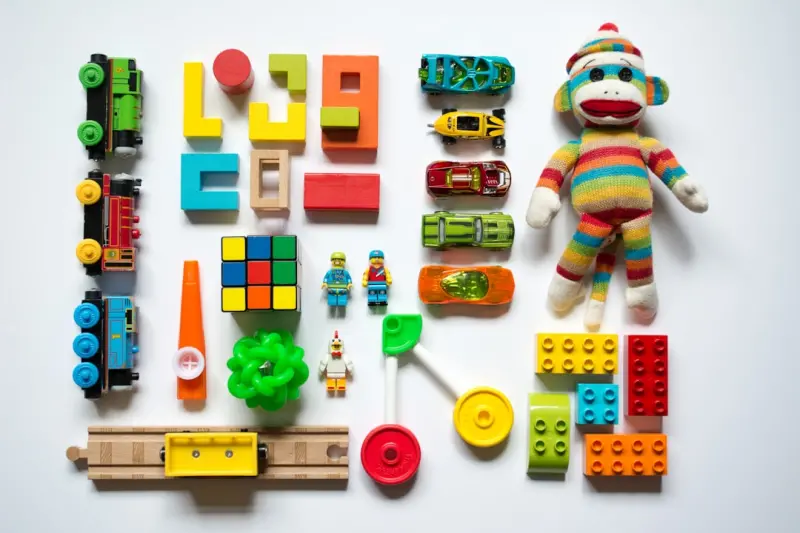
When I first unwrapped a wooden puzzle for my nephew, I felt a familiar thrill: the click of a piece finding its home, the quiet confidence that comes from creating something tangible. Today, that same sensation is being amplified by technology, sustainability, and a renewed respect for the imagination‑fueling power of play. The toys aisle isn’t just a collection of plastic trinkets anymore; it’s an evolving ecosystem where data, design, and environmental stewardship intersect. In this deep dive, I’ll share why the most forward‑thinking parents—and the kids they adore—are gravitating toward smart, sustainable toys, and how this shift is reshaping the very definition of play.
The Green Play Revolution: From Landfills to Learning Labs
Plastic has long been the default material for mass‑produced toys, but the environmental toll is undeniable. Landfills are swelling, oceans are littered, and the carbon footprint of manufacturing is climbing. Enter the era of eco‑conscious playthings: toys crafted from responsibly sourced wood, recycled polymers, and even biodegradable bioplastics derived from corn starch or algae. These materials aren’t just “green” in name; they’re engineered to meet rigorous safety standards while offering tactile experiences that plastic can’t match.
What’s more, many manufacturers now pair sustainable materials with transparent supply chains. QR codes on packaging can lead parents to a digital ledger that details everything from forest certification to carbon offset initiatives. This transparency transforms a simple purchase into a collaborative act of stewardship—parents feel empowered, and kids inherit a story of responsibility along with their new toy.
Artificial Intelligence Meets Imagination
While sustainability addresses the planet, artificial intelligence (AI) tackles the child’s developing mind. AI‑enhanced toys aren’t just about voice‑activated responses; they adapt to a child’s learning style, track progress, and suggest new challenges in real time. Imagine a plush robot that recognizes your child’s emotional state through tone and facial expression, then offers a calming story or a stimulating puzzle based on that data.
Critics often warn that AI could replace human interaction, but the most successful products treat technology as a catalyst rather than a substitute. They act as a conversational partner that nudges kids toward curiosity, prompting them to ask “why” and “how” instead of delivering answers outright. This approach nurtures critical thinking while preserving the essential human element of play.
Hybrid Play: Bridging Physical and Digital Worlds
Hybrid toys blend tactile, hands‑on experiences with digital enrichment. A modular building set, for instance, might come with an app that uses augmented reality (AR) to project virtual structures onto the real‑world pieces you’ve assembled. The result is a layered learning environment where spatial reasoning, engineering concepts, and storytelling intertwine.
These hybrids also address a lingering concern among parents: screen time. By anchoring digital content to a physical object, children spend less time passively scrolling and more time actively constructing, experimenting, and iterating. The digital layer serves as a reward system—unlocking new challenges, customizing avatars, or earning virtual badges—while the physical play remains the core of the experience.
Subscription Boxes: Curated Play Delivered to Your Door
One of the most exciting developments in the toy market is the rise of subscription‑based play boxes. Each month, families receive a curated collection of age‑appropriate, sustainably sourced toys, often paired with educational guides and activity cards. The subscription model eliminates the guesswork of shopping, introduces children to a broader range of materials and concepts, and keeps the novelty factor high.
Beyond convenience, these boxes foster a sense of anticipation and ritual. Children learn to look forward to “play day,” and parents can seamlessly integrate new learning milestones into their routine. Many providers also collaborate with child development experts to ensure that each box aligns with cognitive and motor skill benchmarks, creating a seamless bridge between play and growth.
Designing for Diversity: Inclusive Play Experiences
Modern toy designers are finally embracing the idea that play should reflect the diverse world children inhabit. This means offering dolls of varied skin tones, body types, and abilities, as well as games that celebrate different cultures and languages. Inclusivity isn’t a gimmick; it’s a fundamental design principle that validates every child’s identity and expands empathy across the playground.
When a child sees themselves represented in a toy, their confidence soars. When they engage with toys that introduce unfamiliar perspectives, their social awareness expands. The result is a generation that is both self‑assured and globally minded, equipped to navigate an increasingly interconnected society.
Safety in the Age of Smart Toys
Smart toys bring a new dimension of safety concerns: data privacy. Parents rightly question how much information a talking teddy bear can collect and where it goes. Reputable manufacturers address this by adhering to strict privacy standards, offering offline modes, and providing clear opt‑out mechanisms. Additionally, many companies undergo third‑party security audits and publish their findings, fostering trust through transparency.
Physical safety remains paramount as well. Toys are now designed with ergonomic considerations—smooth edges, non‑toxic finishes, and robust construction to withstand rough play. When combined with rigorous testing and certifications, these safeguards ensure that the joy of play is never compromised by preventable hazards.
Economic Impact: Why Parents Are Willing to Invest More
The shift toward smarter, greener toys does come with a higher price tag, but many families view it as a long‑term investment. A durable wooden set can last generations, while a subscription service can reduce the need for frequent, impulsive purchases. Moreover, the educational value—enhanced problem‑solving skills, language development, and emotional intelligence—translates into tangible benefits that extend far beyond the living room.
From a macro perspective, this consumer willingness to pay a premium drives industry innovation, encouraging more companies to adopt sustainable sourcing and AI integration. The resulting competition spurs improvements in quality, accessibility, and affordability, gradually democratizing access to high‑caliber play experiences.
Case Study: From Concept to Market
Consider the journey of Dynamic Brand Systems, a company that began as a small workshop crafting wooden interlocking blocks. Recognizing a gap in the market for adaptive learning tools, they partnered with a tech startup to embed low‑energy Bluetooth sensors into each block. The sensors track how children arrange pieces, feeding data into an AI engine that suggests new building challenges tailored to each child's progress.
The product launch was accompanied by a targeted smart energy management campaign, highlighting the toy’s low power consumption and recyclable components. Within a year, sales surged, and the brand secured a spot in several educational curricula, illustrating how thoughtful integration of sustainability and technology can propel a niche product into mainstream success.
Future Outlook: What’s Next for the Toy Industry?
Looking ahead, several trends promise to further transform play. First, the rise of modular AI platforms will allow parents to upgrade a toy’s software without discarding the hardware, extending product lifespans and reducing e‑waste. Second, advances in biodegradable electronics—think paper‑based circuits—could make even the most high‑tech toys fully compostable.
Third, collaborative play ecosystems will emerge, where children from different households can connect their toys via secure networks, sharing creations, solving puzzles together, and learning the value of teamwork across distances. Finally, the integration of renewable energy sources—tiny solar panels embedded in outdoor toys—will empower a generation that not only enjoys the benefits of technology but also appreciates the power of clean energy.
Practical Tips for Parents Ready to Embrace the New Toy Landscape
- Research Materials: Look for certifications such as FSC (Forest Stewardship Council) for wood or ASTM standards for recycled plastics.
- Assess Data Practices: Choose toys that provide clear privacy policies, offline functionality, and regular security updates.
- Start Small: Begin with a single hybrid or AI‑enhanced toy to gauge your child’s interest and comfort level.
- Leverage Subscriptions: Use curated boxes to discover new brands and keep playtime fresh without overspending.
- Encourage Balance: Pair digital interactions with hands‑on building, drawing, or outdoor exploration to maintain a holistic play routine.
In the end, the most compelling narrative isn’t about gadgets or green labels alone; it’s about reimagining play as a purposeful, enriching experience that respects both the child’s development and the planet’s future. By choosing toys that are intelligent, inclusive, and sustainable, parents can set the stage for a generation of curious, conscientious innovators.

Robert Mathews is a professional content marketer and freelancer for many SEO agencies. In his spare time he likes to play video games, get outdoors and enjoy time with his family and friends . Read more about Robert Mathews here:
Related Posts

The Anticipated Holidays: A Professional Outlook on This Christmas Season's Must-Have Toys
As the festive season approaches, the global toy market enters its most dynamic period, characterize... Read More

Why Tangible Toys Still Matter in a Screen‑Obsessed World
A deep dive into why hands‑on toys remain essential for mental health, productivity, and cultural ... Read More

Playtime Revolution: How Sensors, Sustainability, and AI Are Redefining Toys
A deep dive into the three megatrends—sensor‑enabled play, sustainable materials, and AI‑drive... Read More
Top Posts

The Art of Building a Loyal Blog Audience
Building a loyal blog audience takes time and effort. Learn how to create engaging content, build a community, and drive engagement and sharing with these pract...Read More
The Evolution of Online Shopping: A New Era for Retail
The world of retail has undergone a significant transformation in recent years, with the rise of online shopping revolutionizing the way consumers interact with...Read More
Reimagining Brand Identity in the Age of Distributed Teams
In a world where SaaS teams are globally distributed, brand consistency becomes a strategic necessity. This post reveals how to embed brand DNA into culture, de...Read More

When AI Takes the Helm: SEO Strategies for the New Search Era
AI is rewriting the rules of search. Discover the rise of AI‑generated snippets, multimodal queries, and intent clusters, and get a practical roadmap to futur...Read More
0 Comments
Post Comment
You will need to Login or Register to comment on this post!