
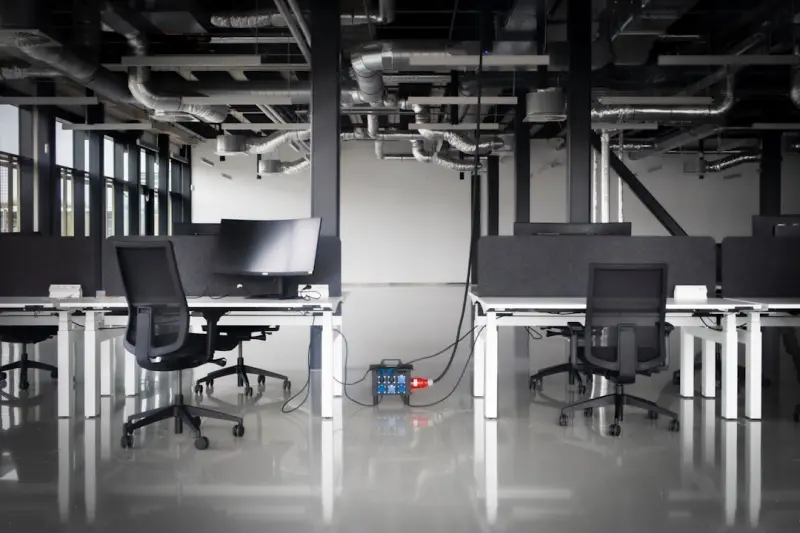
Power‑Smart Workspaces: How Intelligent Energy Flows Are Redefining the Modern Office
When I first stepped into a sleek downtown coworking hub that boasted “zero‑carbon” walls, I expected to see solar panels glittering on the roof and a few green plants on the desks. What I actually discovered was a silent, data‑driven orchestra of sensors, algorithms, and micro‑grids working together to keep the lights on, the coffee warm, and the carbon footprint whisper‑quiet. It felt less like a building and more like a living organism, constantly learning how to breathe better.
Energy has always been the invisible backbone of business operations, but for most of us it remains a utility we pay for and forget about. The pandemic‑induced shift to hybrid work, the rise of edge‑computing, and the relentless push for ESG compliance have turned that backdrop into a front‑stage performance. Today’s leaders must think of energy not just as a cost line item, but as a strategic asset that can unlock agility, resilience, and even new revenue streams.
The Rise of Energy‑Intelligent Architecture
Traditional office design treated power as a static provision: a set of panels on the ceiling, a few backup generators, and a monthly bill. In the last few years, however, a confluence of three forces has upended that model:
- Decentralized generation. Rooftop solar, on‑site fuel cells, and even kinetic floor tiles are turning buildings into mini‑power plants.
- Real‑time analytics. Edge devices and AI platforms now ingest terabytes of consumption data, predicting spikes before they happen.
- Demand‑response markets. Utilities are offering financial incentives for businesses that can shave load during peak hours.
When these elements converge, a space can automatically shift workloads to the most efficient source—drawing from stored battery power during a sunny afternoon, then swapping to grid electricity when the sun sets, all while communicating with the utility to earn credits for reduced demand.
To understand the technical underpinnings, it helps to think of the building as a digital twin. Sensors capture temperature, occupancy, device usage, and even air quality. A cloud‑based model simulates how each variable interacts, then feeds actionable recommendations back to the physical space. This feedback loop is where the magic happens: the building learns, adapts, and optimizes without human intervention.
From Reactive Bills to Proactive Energy Strategies
Most companies still receive a monthly statement and react by cutting lights or asking employees to “be mindful.” That approach is akin to using a band‑aid for a chronic condition. The smarter route is to embed energy strategy into the core business plan.
Here are three practical steps any organization can start with:
- Map your energy footprint. Begin with a granular audit that goes beyond the main meter. Identify high‑draw equipment—think data‑center racks, 3D printers, or even high‑resolution video walls. Many organizations discover that a single conference room’s AV system consumes as much as a small office.
- Introduce flexibility into consumption. Rather than a rigid “always‑on” mindset, explore flexible consumption models that let you schedule intensive tasks—like batch rendering or data backups—during off‑peak periods when electricity is cheaper and greener.
- Invest in smart infrastructure. Deploy IoT‑enabled lighting, HVAC, and power distribution units that can be orchestrated via a central dashboard. Pair this with a battery storage system to capture excess solar or wind generation for later use.
When you shift from a reactive to a proactive stance, the impact is immediate: lower operating expenses, reduced carbon emissions, and a tangible ESG narrative that resonates with investors, clients, and talent alike.
AI‑Powered Micro‑Grids: The New Energy Frontier
Imagine a cluster of office buildings, a nearby data‑center, and a handful of electric vehicle (EV) charging stations—all connected via a localized micro‑grid. Each node produces, consumes, and stores energy, and an AI engine decides in real time who should share what and when.
This isn’t science fiction. Companies are already piloting such ecosystems, leveraging the same predictive analytics that power autonomous vehicles. The AI evaluates weather forecasts, occupancy schedules, and market price signals to orchestrate the flow of electrons. During a sunny afternoon, excess rooftop solar can be diverted to charge EV fleets or to feed a nearby coworking space that’s hitting a conference‑room peak. When the grid signals a price surge, the micro‑grid can automatically reduce demand or sell stored energy back, turning sustainability into a profit center.
For organizations with multiple locations, the benefits multiply. A headquarters in a sunny climate can become the energy “bank” for satellite offices in cooler regions, balancing load and smoothing out variability. The result is a resilient, low‑cost energy network that can survive grid outages, extreme weather events, or sudden spikes in demand.
Human‑Centric Energy Design
While data and algorithms drive efficiency, the ultimate success of any energy strategy rests on people. Employees often feel powerless when they see a blinking “energy‑saving” light but lack context. By integrating transparent dashboards into everyday tools—think a Slack bot that announces when the building is operating at 80 % renewable capacity—you turn energy stewardship into a shared cultural value.
Consider these low‑effort, high‑impact ideas:
- Gamify savings. Create friendly competitions between floors or departments to see who can achieve the greatest reduction in kWh per employee.
- Real‑time feedback. Install subtle visual cues, like color‑changing wall panels that shift from green to amber as consumption rises, giving occupants an intuitive sense of the building’s state.
- Education moments. Host brief “energy coffee talks” where facility managers walk teams through recent data insights and upcoming initiatives.
When staff understand the “why” behind the technology, they become allies rather than obstacles, and the energy culture becomes a competitive advantage.
Integrating Energy Intelligence with Existing Digital Systems
Most enterprises already have a stack of digital tools—CRM, ERP, project management platforms, and, yes, the occasional content hub. The challenge is to weave energy intelligence into that existing tapestry without creating silos.
One elegant approach is to treat energy data as another API endpoint, similar to how you might fetch customer analytics. By exposing consumption metrics through a standardized interface, you enable any downstream system to consume, visualize, or act on that data. This “system‑of‑systems” mindset is championed in articles about coordinated system thinking, and it applies just as well to power.
For example, a project management tool could automatically schedule compute‑heavy tasks for times when renewable generation peaks, reducing both cost and carbon impact. An HR platform could flag employees who consistently work late hours in a high‑energy zone, prompting a discussion about flexible scheduling that aligns with lower‑impact periods.
By treating energy as a first‑class citizen in your data ecosystem, you unlock cross‑functional insights that were previously hidden.
Future‑Proofing: Regulations, Incentives, and Market Trends
Governments worldwide are tightening emissions standards, while utilities roll out time‑of‑use tariffs and demand‑response programs. Ignoring these trends can quickly turn a cost‑saving initiative into a compliance risk.
To stay ahead, consider the following proactive measures:
- Monitor policy changes. Subscribe to local energy authority newsletters and set up alerts for upcoming legislation that could affect your footprint.
- Leverage incentives. Many regions offer tax credits, rebates, or low‑interest loans for on‑site storage, solar installations, or energy‑efficiency retrofits. A dedicated “energy incentives tracker” can keep you from leaving money on the table.
- Participate in energy markets. Some forward‑looking firms are already trading excess renewable generation on regional markets, turning what used to be waste into revenue.
By embedding regulatory awareness into your energy roadmap, you not only avoid penalties but also position your organization as a market leader in sustainability.
Case Study: A Mid‑Size Tech Firm’s 30 % Energy Cut in 12 Months
To illustrate the power of a holistic approach, let’s look at a fictional (yet realistic) tech company, “Nimbus Labs.” They occupied a 10,000‑sq‑ft office with a modest data‑center on‑prem. Their journey unfolded in three phases:
- Discovery. Using a smart meter network, they identified that the data‑center’s cooling system accounted for 45 % of total consumption. An audit revealed that the HVAC was oversized for the actual occupancy patterns.
- Implementation. They installed variable‑frequency drive (VFD) compressors, integrated a battery storage system, and added a rooftop solar array that generated 20 % of daily demand. All devices were linked to a central AI engine that optimized load based on real‑time pricing.
- Culture. A Slack bot named “Volt” began posting daily energy tips and celebrating floor‑level milestones. Over a year, employee engagement rose, and the company earned a coveted ESG badge.
The results? A 30 % reduction in total energy spend, a 40 % drop in carbon emissions, and a new revenue stream from selling excess solar back to the grid during peak hours. The case underscores that technology, strategy, and people must move in lockstep.
Takeaway: Energy as a Competitive Lever
Energy is no longer a background utility; it’s a dynamic lever you can pull to drive cost efficiency, sustainability, and brand differentiation. By embracing data‑driven micro‑grids, flexible consumption schedules, and human‑centric design, you can transform your workspace into a resilient, low‑carbon powerhouse.
If you’re ready to start the journey, begin with a simple audit, explore the AI‑enabled platforms that are reshaping building management, and weave energy metrics into your existing digital workflows. The future of work will be powered not just by ideas, but by intelligent electrons that work as hard as your team does.
Curious about the broader implications of digital infrastructure on sustainability? Check out rethinking digital foundations for insights that complement the energy strategies discussed here.

When it comes to the world of blogging and writing, Rose DesRochers is a name that stands out. Her passion for creating quality content and connecting with her audience has made her a trusted voice in the industry. Aside from her skills as a writer and blogger, Rose is also known for her compassionate nature.
Related Posts

Energy-as-a-Service: Turning Power Grids into Subscription Platforms
Energy-as-a-Service (EaaS) is reshaping the power industry by turning electricity, storage, and dema... Read More
Energy‑Smart Enterprises: Turning Grid Volatility into Profit
Learn how to convert energy price swings into a competitive edge using AI‑driven analytics, flexib... Read More
Powering the Future: An In-Depth Look at Renewable Energy
The world is facing a critical juncture. Our reliance on fossil fuels has led to significant environ... Read More
Top Posts
Powering the Future: An In-Depth Look at Renewable Energy
The world is facing a critical juncture. Our reliance on fossil fuels has led to significant environmental challenges, including climate change and air pollutio...Read More

Reclaiming Calm: A Pragmatic Guide to Digital Wellness
Learn practical, low‑tech habits to combat constant connectivity, improve focus, and protect mental health, all while staying productive in a demanding work e...Read More

5 Great Kitchen and Washroom Countertop Options
In the intricate tapestry of home design, few elements bear as much functional weight and aesthetic influence as countertops. Whether gracing the culinary comma...Read More

Micro‑Influencer Coalitions: How Small Creators Can Outperform Big Budgets
Learn how coordinated micro‑influencer networks can surpass big‑budget campaigns, driving genuine engagement, measurable ROI, and lasting brand loyalty....Read More
0 Comments
Post Comment
You will need to Login or Register to comment on this post!