
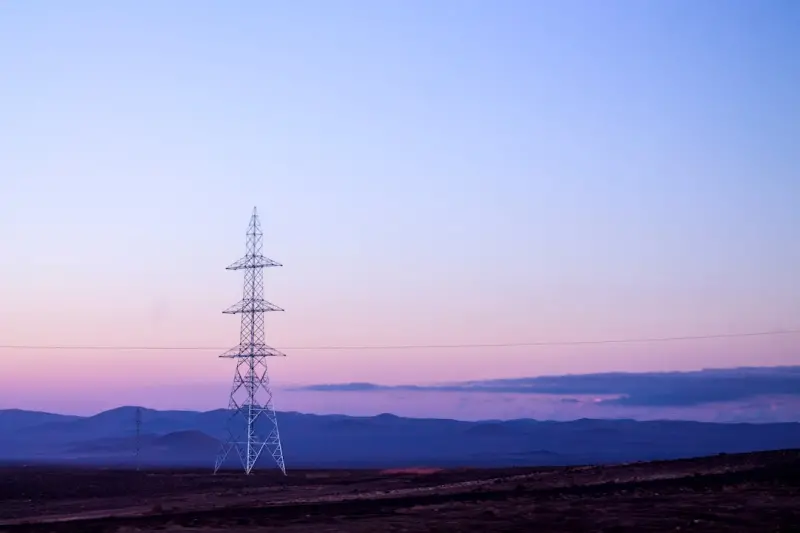
Why Energy Volatility Is the Best Thing That Could Happen to Your Business
When the grid throws a curveball—spiking prices at lunch, dropping them at sunset—most CFOs scramble for a hedge. I’m the kind of guy who sees a curveball and asks, “What if we could hit a home run?” In the world of B2B SaaS, energy is no longer a back‑office cost line; it’s a strategic lever that can accelerate growth, sharpen competitive edges, and even reshape product roadmaps.
From Commodity to Competitive Advantage
Three trends have collided to turn energy from a static expense into a dynamic opportunity:
- Grid volatility. Renewable penetration, geopolitical shifts, and climate‑driven policy changes make wholesale power prices swing like a pendulum.
- Real‑time analytics. Sensors, IoT, and AI now deliver second‑by‑second visibility into consumption, enabling decisions that were impossible a decade ago.
- Flexible procurement. On‑demand contracts, virtual power plants, and demand‑response markets let you buy power the way you buy bandwidth—just‑in‑time.
When you stitch these threads together, you get a new business model: energy‑smart enterprises that treat power as a data asset, not a sunk cost.
What the Data Says (and Why It Matters)
Take a look at any large‑scale SaaS operation: thousands of servers humming in data centers, edge nodes humming in regional offices, developers provisioning VMs on the fly. Each of these workloads leaves a carbon and cost fingerprint. By feeding that fingerprint into a machine‑learning engine, you can predict the optimal time to spin up compute, shift workloads, or even negotiate a better rate with your utility.
It’s the same logic that powers edge‑first internet strategies—move processing closer to the user to shave latency and, surprisingly, cut energy consumption. The difference is that you now have the data** to prove the move improves both performance and the bottom line.
AI‑Driven Grid Optimization: The Secret Sauce
Imagine a dashboard that shows you not just your current kWh usage but also the price forecast for the next 24 hours, the renewable mix on the grid, and the carbon intensity of each megawatt. AI models ingest this feed, compare it against your workload elasticity, and automatically:
- Shift batch jobs to off‑peak windows.
- Temporarily throttle non‑critical micro‑services during price spikes.
- Trigger demand‑response events that pay you back for curtailing consumption.
This isn’t sci‑fi. Companies like Google and Amazon have been doing it under the hood for years, but the tools are finally democratized enough for mid‑market SaaS firms to plug into their own environments.
Flexible Energy Procurement: Treat Power Like Cloud Capacity
Remember the early days of cloud when you were forced to sign a three‑year, “pay‑as‑you‑go” contract that left you either over‑provisioned or constantly scrambling for capacity? Energy procurement is catching up. Here’s how modern contracts look:
- Dynamic pricing. Real‑time rates that mirror spot market prices, with automated caps to protect against extreme spikes.
- Virtual PPAs. You buy renewable energy credits without physically owning the generation asset—great for ESG goals.
- On‑demand capacity. Short‑term “energy bursts” you can purchase during high‑load events, similar to burstable cloud instances.
When you align these contracts with the AI‑driven workload scheduler, you get a feedback loop: the scheduler knows the price, the procurement team knows the demand, and together they negotiate the optimal purchase in seconds.
The Role of dedicated hosting as an energy‑efficient backbone
Many SaaS leaders assume that multi‑cloud automatically equals lower energy use. Not so. A sprawling, loosely governed cloud footprint can double your power draw because each provider runs its own cooling and power distribution infrastructure.
Consolidating predictable workloads onto a dedicated hosting platform—optimized for energy efficiency and often located near renewable generation—creates a “strategic anchor.” This anchor reduces the “energy tax” of cross‑cloud data shuffling and gives you a single point of control for implementing demand‑response strategies.
Building an Energy‑Savvy Culture
Technology is only half the equation. You need a workforce that talks energy in the same language as they talk code. Here’s a quick cheat‑sheet for leadership:
- Make consumption visible. Deploy dashboards in the same way you showcase performance metrics.
- Gamify efficiency. Offer small incentives for teams that reduce their average power usage per transaction.
- Educate on demand‑response. A 5‑minute micro‑learning module can turn engineers into active participants in the grid.
When energy becomes a KPI—just like latency or churn—it earns a seat at the executive table.
Practical Playbook: 7 Steps to Turn Energy Volatility into Profit
- Audit your baseline. Use smart meters or software agents to capture per‑service consumption.
- Integrate price feeds. Pull real‑time wholesale rates from your utility or an API service.
- Deploy an orchestrator. Choose an AI‑enabled workload scheduler that can react to price signals.
- Consolidate core workloads. Move steady‑state services to energy‑efficient dedicated hosting.
- Adopt flexible contracts. Work with your procurement team to negotiate dynamic pricing and virtual PPAs.
- Enable demand‑response. Set thresholds that trigger non‑critical job throttling in exchange for utility credits.
- Iterate and report. Close the loop with a monthly energy performance report that ties cost savings to business outcomes.
Future‑Proofing: What’s Next on the Horizon?
In the next 12‑18 months, expect three game‑changing developments:
- Distributed Energy Resources (DER) as a Service. Companies will lease battery packs and solar arrays just like they lease compute, turning on‑site generation into a scalable utility.
- Carbon‑aware scheduling. AI will not only chase the cheapest kilowatt‑hour but also the cleanest, automatically aligning workloads with low‑carbon windows.
- Energy NFTs. Digital tokens that represent a fixed amount of renewable energy, tradable on blockchain marketplaces, will give enterprises new hedging instruments.
Those aren’t buzzwords; they’re the next wave of tools that will let you turn the grid’s inherent unpredictability into a steady revenue stream.
Conclusion: Embrace the Chaos
Energy volatility is a fact of life, not a flaw in your operating model. By treating power like data—collecting it, analyzing it, and acting on it—you can flip a cost center into a growth engine. The secret sauce is simple: combine AI‑driven real‑time analytics, flexible procurement, and an energy‑first culture. When you do, you’ll find that the grid’s swings become your company’s rhythm, and every peak is an opportunity to dance.

Paul Flynn is a versatile freelance writer equipped with a diverse skillset and a portfolio that reflects his wide-ranging interests and expertise. From crafting compelling website copy and engaging blog posts to delivering in-depth articles and meticulously researched reports, Flynn demonstrates a remarkable ability to adapt his writing style to suit various audiences and purposes.
Related Posts

From Sunlit Roofs to Smart Grids: How SMEs Can Own Their Energy Destiny
A practical guide for SMEs showing how modular generation, real‑time data, and innovative financin... Read More
Community-Driven Microgrids: Energy’s New Frontier
Miranda Murphy reveals how neighborhoods can harness sensor data, digital twins, and collective buyi... Read More
Powering the Block: How Community Microgrids are Redefining Energy Independence
Explore the rise of community microgrids—local, self‑sufficient energy networks that cut costs, ... Read More
Top Posts

The Timing Advantage: How Strategic Gift Delivery Amplifies B2B Relationships
Strategic timing transforms ordinary gifts into powerful relationship builders. Learn how to map business milestones, personalize at scale, and measure ROI for ...Read More

Why Social Media Marketing Feels Like a Creative Sprint
Shawn dives into the hottest social media marketing trends, from algorithm hacks and AI co‑pilots to authentic storytelling and community building, offering a...Read More
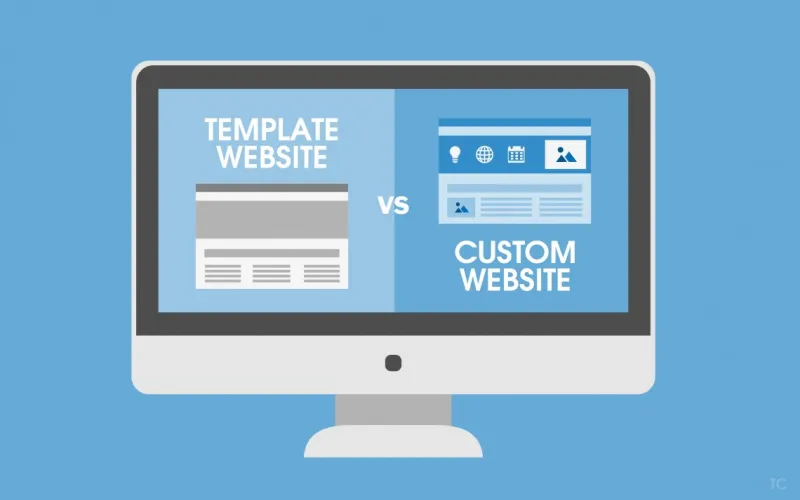
What Makes Custom Web Design Better Than Basic Templates
A website is often the first—and sometimes the only—point of contact between a business and its audience. The design of that site therefore carries far more...Read More

Decoding the AI Revolution: A Human-Centric Roadmap for the Future
AI is reshaping our world. Robert Mathews delves into its current landscape, transformative power, and the ethical challenges it presents. Learn how individuals...Read More
0 Comments
Post Comment
You will need to Login or Register to comment on this post!