
Rethinking Pace in the Classroom
When I first stepped into a bustling middle‑school hallway, the noise of hurried footsteps and frantic whispers felt like a soundtrack to modern education—a relentless push for faster results, tighter schedules, and instant feedback. Over the years I’ve watched students sprint through worksheets only to stumble over deeper comprehension, a pattern that reminded me of a race where the finish line keeps moving farther away. What if we flipped the script and invited educators to pause, breathe, and redesign learning experiences that value both speed and reflection?
Why Speed Still Matters
Speed, when harnessed wisely, can be a catalyst for engagement; a quick poll, a timed challenge, or a rapid‑fire discussion sparks curiosity and pushes learners out of complacency. In my own classroom I’ve seen a five‑minute brainstorm ignite ideas that later blossomed into semester‑long projects, proving that a burst of urgency can light the fire of creativity. Yet, the key is intentionality—speed must serve a purpose, not become an end in itself, a lesson echoed in why speed is the secret weapon in modern SEO where timing fuels relevance.
Embracing Slow Learning
Conversely, slow learning invites depth, allowing students to wrestle with concepts, make connections, and internalize knowledge at a rhythm that respects individual cognitive tempo. I’ve watched a quiet moment of contemplation turn a perplexing math problem into a “aha” moment that stayed with a child long after the bell rang. By integrating pauses—think reflective journals, extended reading periods, and mindful breathing exercises—we nurture resilience and a love for lifelong inquiry, a philosophy that aligns with the hidden health benefits of slow living in a fast world.
Balancing Technology and Thoughtfulness
Digital tools promise instant answers, but they can also drown thoughtful analysis under a flood of notifications and click‑bait content. I’ve experimented with blended learning platforms that deliver swift feedback while reserving screen‑free intervals for hands‑on experiments, group debates, and artistic expression. This hybrid rhythm respects the brain’s need for rapid data processing and its craving for deep, uninterrupted focus, creating a classroom ecosystem where technology amplifies—not replaces—human curiosity.
Practical Strategies for Teachers
Start each week with a “speed sprint” activity: a 10‑minute quiz, a rapid‑write, or a flash‑card showdown that ignites energy and surfaces misconceptions early. Follow that with a “slow‑down zone” where students unpack the sprint’s results through collaborative mind‑maps, peer teaching, or silent reading. Encourage teachers to model this balance by switching between brisk explanations and deliberate pauses, reminding learners that mastery often lies in the spaces between action.
Student Stories: When Fast Meets Thoughtful
One of my seventh‑graders, Maya, once raced through a science lab report, only to receive a flat grade; weeks later, after adopting a slower drafting process, she produced a narrative that not only earned top marks but sparked a school‑wide discussion on climate change. Another student, Jamal, thrived in timed coding challenges but struggled with open‑ended projects until we introduced reflective checkpoints, which transformed his code into elegant, purposeful solutions. These anecdotes illustrate that the dance between speed and slowness isn’t a tug‑of‑war but a choreography that, when synchronized, elevates every learner.
Measuring Success Beyond Test Scores
Traditional metrics—standardized tests and percentile ranks—capture only a fragment of student growth, often rewarding rapid recall over sustained understanding. To honor both quick thinking and deep learning, I’ve incorporated portfolio assessments, peer‑review rubrics, and self‑evaluation surveys that track progress over months rather than minutes. When we broaden our definition of achievement, we see students developing critical thinking, empathy, and adaptability—skills that no single exam can fully quantify.
Future‑Ready Skills in a Dual‑Tempo World
The jobs of tomorrow demand agility: the ability to pivot swiftly when new information emerges, coupled with the patience to delve into complex problems without rushing to premature conclusions. By embedding both speed drills and slow‑thinking workshops into curricula, we equip students with a versatile toolkit—rapid prototyping for innovation and reflective analysis for ethical decision‑making. This dual‑tempo approach mirrors the modern workplace, where sprint cycles alternate with deep‑work sprints to drive sustainable success.
Resources for the Curious Educator
For teachers eager to explore this balanced paradigm, I recommend diving into articles that explore the science of pacing, such as the latest research on cognitive load theory and mindfulness in classrooms. The untapped power of blogging offers a practical guide for educators to document and share their experiments, turning reflective practice into a collaborative community resource. Additionally, the digital playground guide provides actionable steps to protect students while leveraging technology for rapid feedback and creative exploration.
Final Reflections
As I watch my students navigate the push‑and‑pull of fast assignments and slow‑burn projects, I’m reminded that education is less about choosing one tempo over the other and more about orchestrating a harmonious rhythm that honors each learner’s unique cadence. By intentionally weaving speed and slowness into the fabric of our classrooms, we create spaces where curiosity thrives, resilience builds, and every child discovers the confidence to sprint when needed and pause when wise. The future of learning belongs to those who can dance gracefully between the two, and together we can lead that dance.

Amanda is a passionate writer exploring a kaleidoscope of topics from lifestyle to travel and everything in between.
Related Posts
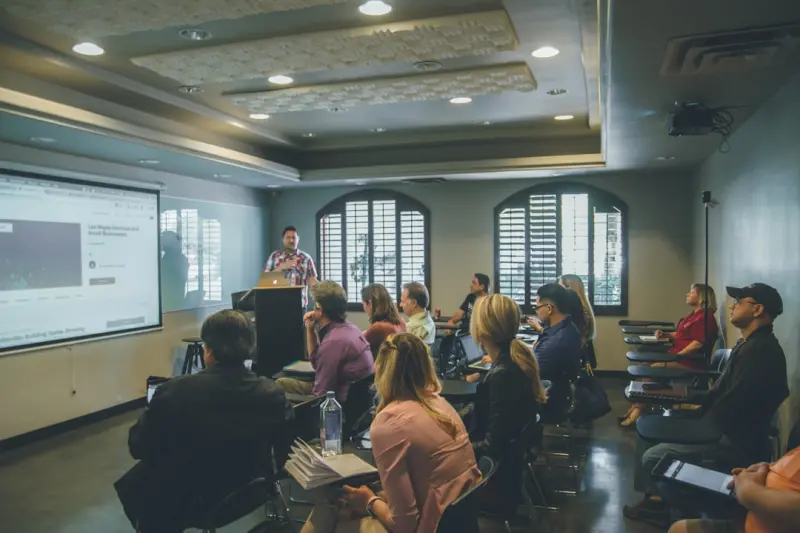
Microlearning: The Quiet Revolution in Corporate Education
Microlearning condenses essential skills into short, purposeful bursts, aligning with modern work ha... Read More

From Chalkboards to Chatbots: Rethinking the Classroom for Human‑Centric AI
A deep dive into transforming education with AI‑driven coaching, community‑focused projects, por... Read More
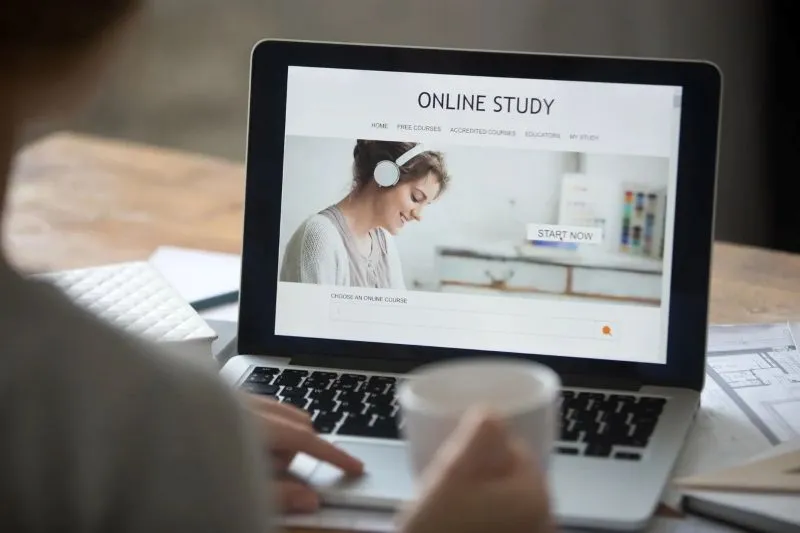
Great Online Courses to Get Your Degree
The landscape of higher education has undergone a profound transformation in recent decades. What wa... Read More
Top Posts

Top Tourism Spots, You Got to Visit
Discover the world's most breathtaking destinations in our curated guide. From the ancient ruins of Rome to the lush landscapes of Bali, explore the top tourism...Read More

The Tiny Terror: Why Button Batteries Are a Silent Threat to Our Little Ones
You know those little disc-shaped batteries that power everything from your TV remote to those adorable, musical greeting cards your aunt sends? They’re incre...Read More
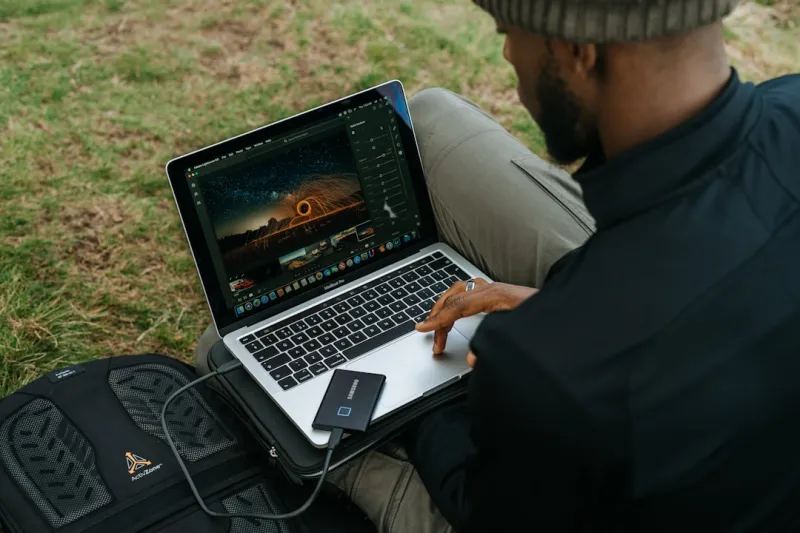
The Laptop Revolution: How My Portable Powerhouse Fuels Creative Freedom
Rose DesRochers reveals why a sleek, portable laptop is the ultimate creative ally, blending performance, battery life, and security to keep ideas flowing anywh...Read More
Sustainable Parenting: A Guide to Eco-Friendly Practices for a Healthier Future
Sustainable parenting is a growing movement that encourages parents to make environmentally conscious decisions when raising their children. Learn how to incorp...Read More
0 Comments
Post Comment
You will need to Login or Register to comment on this post!