
Unearthing the Garden’s Hidden Economy: Microbes, Mycelium, and the Soil Symphony
When I first swapped my office chair for a garden trowel, I thought the biggest challenge would be keeping the weeds at bay. Turns out, the real battlefield lies beneath the surface, where trillions of microscopic allies wage a silent war for nutrients, water, and resilience. In this post I’ll take you on a deep‑dive into the subterranean economy that powers every thriving vegetable patch, balcony herb garden, and wildflower meadow. By the end, you’ll be equipped with practical, science‑backed tactics to coax your soil into a thriving, self‑sustaining ecosystem—no fancy tech required, just a bit of curiosity and a willingness to get your hands dirty.
Why Soil Isn’t Just Dirt: It’s a Living, Breathing Community
Most of us picture soil as a static medium—brown, gritty, and inert. In reality, it’s a bustling metropolis of bacteria, fungi, protozoa, nematodes, arthropods, and even tiny insects. These organisms form intricate food webs that recycle organic matter, fix nitrogen, and protect plants from pathogens. Think of it as a natural “Internet of Things,” where signals are chemical whispers rather than Wi‑Fi packets. The healthier the network, the more efficiently it delivers nutrients to plant roots, the better it retains moisture, and the stronger its defense against disease.
The Mycelial Internet: Fungal Threads That Talk to Plants
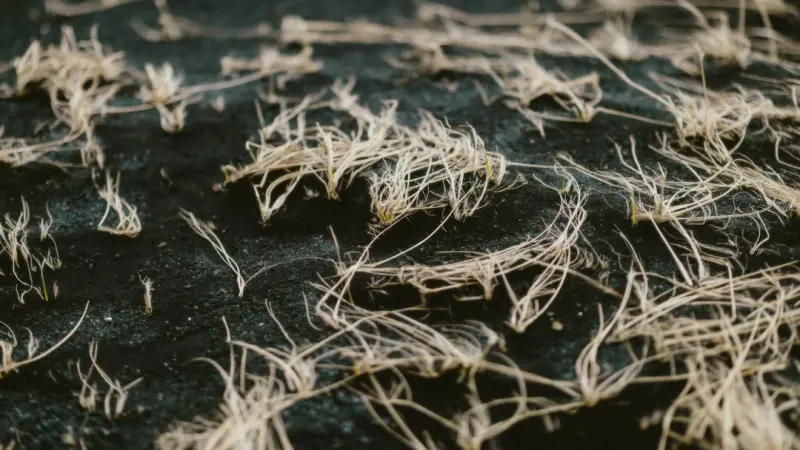
Fungi are the unsung architects of the soil world. Their thread‑like hyphae weave through the earth, forming a mycelial network that can stretch for meters. This network acts like a communal internet, allowing plants to exchange carbon, phosphorus, and even warning signals about pests. The most famous example is the mycorrhizal partnership, where fungal filaments wrap around root tips, extending the root’s reach by up to tenfold. In return, the plant supplies the fungi with sugars produced via photosynthesis.
To harness this relationship, start by minimizing soil disturbance. Frequent tilling breaks hyphal connections, resetting the network each season. Instead, practice no‑till or low‑disturbance methods such as sheet mulching or using a broadfork to gently aerate the soil without severing the fungal highways.
Bacterial Powerhouses: The Nitrogen Fixers and Decomposers
While fungi handle the long‑range transport of nutrients, bacteria are the local specialists. Certain bacteria, like Rhizobium spp., live in nodules on legume roots and convert atmospheric nitrogen into forms plants can absorb—a process called nitrogen fixation. Others, such as Bacillus and Pseudomonas strains, produce antibiotics that suppress soil‑borne diseases.
Encouraging bacterial diversity is simple: add organic matter. Compost, well‑rotted leaf mold, and even coffee grounds introduce carbon sources that feed beneficial bacteria. Avoid over‑application of synthetic fertilizers, which can create an imbalanced environment that favors opportunistic, disease‑causing microbes.
Organic Matter: The Fuel That Keeps the Engine Running
Organic inputs are the “food” for both fungi and bacteria. However, not all organic matter is created equal. High‑carbon materials like straw, wood chips, and shredded newspaper act as “slow‑burn” fuels, promoting fungal growth. Low‑carbon, nitrogen‑rich sources—kitchen scraps, fresh grass clippings, or blood meal—feed bacteria. A balanced mix of both ensures a thriving, diverse microbial community.
One practical technique is the “layered compost bin” where you alternate carbon‑rich brown layers with nitrogen‑rich green layers. As the pile decomposes, the resulting humus can be worked lightly into the garden bed, providing a steady supply of nutrients and improving soil structure.
Building a Microbial Inoculum: The DIY Soil Starter
If you’re starting a new garden bed, you can give your soil a jump‑start with a homemade inoculum. Here’s a quick recipe:
- Fill a 5‑gallon bucket with raw, unpasteurized compost or well‑rotted manure.
- Add an equal volume of non‑chlorinated water (rainwater or let tap water sit 24 hours).
- Stir vigorously and let the mixture sit for 24‑48 hours, stirring once a day.
- Strain the liquid and dilute it 1:10 with water. Use this “microbial tea” to water your beds once a week during the growing season.
This simple brew introduces a broad spectrum of beneficial microbes, accelerating the establishment of a resilient soil community.
Integrating Companion Plants for Microbial Diversity
Just as you might pair basil with tomatoes for pest deterrence, you can plant species that promote different microbial groups side by side. Legumes (peas, beans, clover) invite nitrogen‑fixing bacteria, while deep‑rooted perennials like comfrey pull up minerals from sub‑soil layers, depositing them as leaf litter when they’re cut back. Marigolds release compounds that suppress certain nematodes, indirectly benefiting the microbial balance.
Design your garden beds as polyculture mosaics rather than monocultures. This mimics natural ecosystems, where diversity creates redundancy and stability—if one microbial guild falters, others can fill the gap.
Water Management: Keeping the Microbial Party Moist but Not Drowned
Moisture is the lifeblood of soil microbes, but too much water creates anaerobic conditions that favor harmful bacteria and fungal pathogens. Mulching with organic materials—straw, wood chips, or shredded leaves—creates a buffer, slowing evaporation while preventing water pooling.
Consider installing a drip‑irrigation system or a simple soaker hose. These deliver water directly to the root zone, minimizing surface wetness and reducing the risk of foliar diseases. If you’re interested in a low‑tech solution, check out home hacks that bring calm for ideas on repurposing everyday items into efficient watering tools.
Seasonal Soil Care: Aligning Practices with Nature’s Rhythms
Spring is the time to add fresh compost and plant nitrogen‑fixing cover crops like clover or winter peas. Summer calls for mulch refreshes and occasional microbial teas to counteract heat stress. In autumn, incorporate a generous layer of leaf mold to feed fungi as the soil cools. Winter is the perfect period for minimal disturbance—let the soil rest, allowing the microbial community to consolidate.
Remember that each season offers a distinct set of challenges and opportunities for the soil’s invisible workforce. By syncing your garden calendar with these microbial cycles, you’ll see stronger plant vigor, higher yields, and fewer disease outbreaks.
When Technology Meets Soil: Leveraging Data Without Losing the Feel
While my approach is rooted (pun intended) in hands‑on observation, there’s room for low‑tech data to guide decisions. Simple soil test kits can reveal pH, organic matter content, and macro‑nutrient levels. For those who enjoy a bit of digital flair, a basic moisture sensor connected to a smartphone app can alert you when beds dip below optimal levels. The key is to let data inform, not dictate, your stewardship of the soil.
Bringing Sensory Design Into the Garden
Gardening isn’t just about yields; it’s an immersive, multi‑sensory experience. By thoughtfully arranging plant textures, colors, and fragrances, you can craft a space that soothes the mind while nurturing the soil. For instance, planting lavender along a pathway not only adds a calming scent but also attracts pollinators that benefit nearby vegetables. The interplay of scent, sight, and touch creates a feedback loop: a happier gardener tends the garden more lovingly, and a well‑tended garden rewards the gardener with richer harvests.
If you want to explore deeper principles of sensory design, take a look at sensory design tips for garden spaces. The concepts translate beautifully from indoor environments to outdoor plots.
Final Thoughts: Turning Soil Into a Partner, Not a Medium
When we begin to view soil as a living partner rather than a passive substrate, everything changes. The plants become stronger, the garden becomes more resilient, and the work feels less like a chore and more like a collaboration with nature’s finest engineers. By nurturing microbial diversity, respecting fungal networks, and feeding the soil with balanced organic matter, you create a garden that can sustain itself, adapt to climate fluctuations, and continually surprise you with bountiful harvests.
So the next time you step into your garden, pause before you dig. Listen to the faint rustle of roots, imagine the hidden mycelial highways, and remember that you’re part of a complex, thriving community. Treat that community well, and it will repay you in abundance.

Paul Flynn is a versatile freelance writer equipped with a diverse skillset and a portfolio that reflects his wide-ranging interests and expertise. From crafting compelling website copy and engaging blog posts to delivering in-depth articles and meticulously researched reports, Flynn demonstrates a remarkable ability to adapt his writing style to suit various audiences and purposes.
Related Posts
Growing More Than Just Plants: How Gardening Taught Me About Sustainable Living and Digital Strategy
Gardening has taught me valuable lessons about sustainable living and digital strategy. Learn how to... Read More
Cultivating a Data‑Driven Micro‑Garden for Urban Creatives
Discover a fresh, data‑informed approach to urban gardening that blends design thinking, sensor te... Read More
Nurturing Your Soul: Modern Gardening Lessons for a Balanced Life
Explore the therapeutic power of gardening, from soil health to pollinator sanctuaries, and learn ho... Read More
Top Posts

The Dark Side of Gaming: How Online Gaming Affects Mental Health
Excessive online gaming can have negative effects on mental health, including anxiety, depression, and social isolation. Learn how to promote healthy gaming hab...Read More

Designing a Strategic Digital Afterlife: Preserve, Protect, and Activate Your Online Footprint
A practical guide to transforming your online footprint into a strategic asset, covering curation, access control, activation, legal considerations, and AI‑dr...Read More

Staying Connected and Confident: A Senior’s Guide to Modern Tech
A senior-friendly roadmap that shows how to adopt new tech safely, learn at your own pace, and create an adaptable home, empowering older adults to stay connect...Read More
Cultivating a Mindful Garden: From Soil Secrets to Community Harvests
Discover a fresh approach to gardening that blends soil science, inclusive design, and community engagement, turning your backyard into a living sanctuary for m...Read More
0 Comments
Post Comment
You will need to Login or Register to comment on this post!